How to Prune Tamanu?
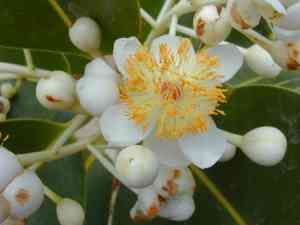
Distinguished by its expansive crown and abundant, oleaginous seeds, tamanu thrives with regular trimming to preserve its form and vitality. The optimal trimming approach entails reducing crowded branches to enhance air circulation and light exposure, excising deceased or ailing timber, and sculpting for visual appeal. Trimming ought to be performed in winter while the plant is inactive to lessen strain. This action not only encourages fresh development but also boosts seed yield, which is vital for the plant's prized oil.
What Are the Benefits of Pruning Tamanu?
What Are the Benefits of Pruning Tamanu?
Trimming tamanu promotes robust development and helps maintain its desired form. Strategic cutting back fosters a strong framework and optimal air movement, which can lower the occurrence of disease.
What Is the Best Time for Pruning Tamanu?
What Is the Best Time for Pruning Tamanu?
Pruning in late winter ensures tamanu is dormant, reducing stress and allowing the plant to recover from cuts before new growth. This timing is also perfect for removing dead or damaged branches, which are more visible without leaves. Furthermore, it prevents the removal of buds that would become flowers or fruit, thus ensuring the flowering and fruiting period is not negatively impacted. Overall, the plant's health and vitality are supported by late winter pruning, preparing it for vigorous growth in spring and summer.
What Tools Do I Need to Prune Tamanu?
Hand Pruners
Perfect for cutting small branches and twigs of tamanu. They provide a clean cut essential for healthy regrowth.
Loppers
Suitable for branches too thick for hand pruners, typically up to 1.5 inches in diameter. Their long handles offer leverage and can reach into the canopy of tamanu.
Pruning Saw
Required for cutting larger, tougher branches that loppers cannot manage. A curved blade pruning saw is especially effective.
Pole Pruner
Best for reaching higher branches of tamanu without a ladder, ensuring safety during the pruning process.
Shears
Useful for shaping the canopy of tamanu if a manicured form is desired rather than just pruning for health and upkeep.
Gloves
Not a cutting tool but vital for the gardener's safety to prevent scratches and cuts from the branches of tamanu.
How to Prune Tamanu
Clean Tools
Before beginning, ensure all pruning tools are clean and sharp to prevent disease spread and make clean cuts on tamanu.
Inspect Tree
Thoroughly inspect tamanu to identify all dead or diseased branches. These branches often appear dry, brittle, and may have discolored bark or foliage.
Remove Dead Branches
Carefully remove dead branches by cutting them where they meet healthy wood. Use a pruning saw for thick branches and pruners for smaller ones, ensuring cuts are angled for water runoff and disease prevention.
Prune Diseased Branches
When trimming diseased branches from tamanu, cut well below the affected area to prevent disease spread. Dispose of these branches properly, away from healthy plants.
Sanitize Tools
After pruning, sanitize all tools used to trim tamanu to prevent any potential disease transmission to other plants in the future.
Common Pruning Mistakes with Tamanu
Over-Pruning
Removing too much foliage at once can stress tamanu and reduce its ability to photosynthesize, potentially leading to poor health and diminished vigor.
Improper Cut Placement
Making cuts too far from a bud or branch union can result in stubs that do not heal properly, inviting disease and pests.
Pruning During Active Growth
Cutting back tamanu when it's actively growing can cause excessive sap loss and weaken the plant structure.
Using Dull Tools
Pruning with blunt instruments can tear the branches of tamanu, leading to uneven cuts that are more susceptible to infection.
Neglecting To Remove Deadwood
Failing to regularly remove dead or diseased branches can limit air circulation and light penetration, detracting from tamanu's overall health and aesthetic.
Topping
Cutting back the entire top of tamanu to reduce its size can destroy its natural shape and lead to weak, water-sprout-like growth.
Common Pruning Tips for Tamanu
Sharp Tools
Use clean, sharp pruning shears to make clean cuts that heal quickly, minimizing stress and the risk of disease for tamanu.
Gradual Reduction
If reducing the size of tamanu, do it gradually over several seasons to avoid shocking the plant and to maintain its natural form.
Selective Thinning
Thin out crowded branches to improve air circulation and light penetration, which encourages healthy growth and flowering in tamanu.
Proper Cut Placement
Make cuts at a 45-degree angle just above outward-facing buds or branch unions, which promotes outward growth and helps prevent water accumulation on the cut surface.
Sanitation
Regularly sanitize pruning tools with a solution like alcohol or bleach to prevent the spread of disease between cuts on tamanu.
Regular Maintenance
Regularly inspect tamanu for dead, diseased, or damaged wood and remove it as needed to maintain plant health and aesthetics.



