How to Propagate Tamanu?
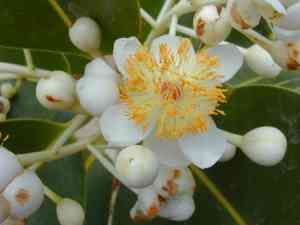
Tamanu, a adaptable tropical evergreen, is recognized for its lustrous foliage and its capacity to produce precious oil from its kernels. When multiplying tamanu, cuttings have proven to be successful. To achieve effective rooting, select robust semi-hardwood sections and apply a rooting stimulant to boost their growth prospects. Verify that the cuttings are placed in soil with good drainage, kept at a warm temperature, and provided with steady moisture. Diffused illumination can encourage ideal rooting without inducing strain from excessive direct sunlight.
Optimal Period for Tamanu Propagation
Propagation Method
Cutting
Propagation Period
Autumn,Winter
Tools Required for Tamanu Propagation
Sharp Pruning Shears
Crucial for obtaining tamanu cuttings, sharp pruning shears ensure a clean, precise incision. A clean cut is vital as it helps prevent harm to the parent plant and promotes robust root development in the cutting. Choose shears with high-quality blades that resist rust and corrosion.
Rooting Hormone
This chemical encourages root formation from tamanu cuttings, increasing the likelihood of successful propagation. This is especially important for tamanu, which might otherwise take longer to establish roots. Apply rooting hormone to the freshly cut base before planting to stimulate root growth.
Sterilized Potting Medium
A sterile, well-draining potting mix is essential for the growth of tamanu cuttings. This medium prevents the proliferation of mold and bacteria that can destroy new cuttings. Select a mix that allows for good aeration and moisture retention to support root development.
Propagation Tray
Used to hold tamanu cuttings in a stable environment, propagation trays help organize multiple cuttings efficiently. They should have adequate drainage and be deep enough to accommodate the length of the cuttings and the growth of new roots.
Misting Bottle
Regular misting provides the necessary humidity for tamanu's cuttings, encouraging them to develop roots. A misting bottle helps maintain consistent moisture levels without over-saturating the soil, which is crucial for preventing rot in the delicate new cuttings.
How to Propagate Tamanu?
Propagation Type
Moderately Difficult
Caring for Your Newly Propagated Tamanu
Caring for Your Newly Propagated Tamanu
Following germination, gradually introduce the young tamanu plants to increased sunlight over several weeks. Continue to water them regularly, but allow the topsoil to dry slightly between waterings. Fertilize with a balanced slow-release fertilizer every six months to encourage healthy growth. Regular pruning will help maintain a desirable shape and promote vigorous growth. As tamanu is adaptable but sensitive to severe frost, provide frost protection in cooler climates.
Common Errors to Avoid When Propagating Tamanu
Overwatering cuttings
Keeping tamanu cuttings in excessively moist conditions can lead to root rot, which hinders root development and can kill the cutting before it establishes.
Using non-sterile tools
Tamanu's cuttings can be easily infected by pathogens when non-sterile tools are used, leading to diseases that may prevent successful propagation.
Neglecting cutting size
Cuttings that are too small may lack sufficient resources to survive, while overly large tamanu cuttings might struggle with moisture retention and transport without a developed root system.
Ignoring soil composition
An unsuitable soil mix can negatively impact tamanu's root development; a medium that is too dense will impede proper aeration and drainage, while one too light may dry out too quickly.
Planting cuttings too deep
When tamanu cuttings are planted too deep, this can discourage proper root emergence and growth, potentially causing rot due to reduced aeration.
Tips For Propagating Tamanu
Moderate watering
Maintain a balance; the soil should be moist but not waterlogged to provide tamanu cuttings with optimal conditions for root growth without risking rot.
Use sterilized tools
Always use sterilized pruning tools for cutting tamanu to minimize the risk of disease transmission, ensuring healthier propagation.
Appropriate cutting size
Select tamanu cuttings that are neither too big nor too small, typically between 5-10 inches, to sustain the cutting as it develops roots.
Well-draining soil mix
Prepare a potting mix with good drainage and aeration suited to tamanu's rooting needs to facilitate healthy growth.
Correct planting depth
Plant tamanu cuttings so that one-third of the cutting's length is underground, providing sufficient support without compromising root formation and aeration.



