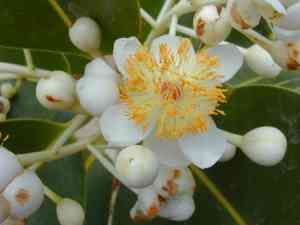
Tamanu (Calophyllum inophyllum)
Also known as: Beach Calophyllum, Alexandrian Laurel
The tamanu tree, a tropical evergreen native to Asia, is highly valued for its durable timber, ideal for constructing large outrigger ships. Additionally, Polynesians have traditionally used tamanu oil, derived from the tree, for its medicinal properties.
In This Article
Attributes of Tamanu
Lifespan
Perennial
Plant Type
Tree
Plant Height
11 m to 15 m
Spread
9 m to 15 m
Leaf Color
Green
Flower Size
2.5 cm
Flower Color
White Yellow
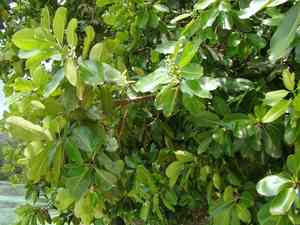
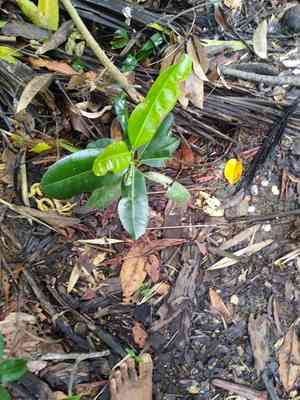
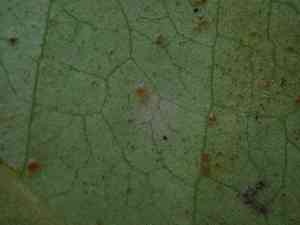
Images of Tamanu
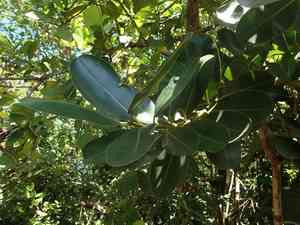
Quickly Identify Tamanu
1
Look for a medium to large evergreen tree with thick, leathery, elliptical leaves that have distinct parallel veins. The flowers are small, white, and fragrant, while the fruit is spherical, greenish-yellow when ripe.
Scientific Classification of Tamanu
Phylum
Vascular plants
Class
Dicotyledons
Order
Malpighiales
Family
Calophyllum
Genus
Calophyllum
Species
Tamanu
Planting and Growing of Tamanu
Care Difficulty
Moderate
Watering Schedule
Every 2 days
Sunlight Requirements
Full sun
Sunshine Duration
4-8 hours
Ideal Temperature
68-86℉
Soil Type
Potting Mix, Peat Mix
Soil pH
6-7.5
Fertilizer Type
Balanced
Pruning Season
Spring, Summer
Pruning Area
Branches, Leaves
Pruning Frequency
2 times a year
Repotting Season
Spring
Pot Type
Terracotta, Plastic
 How to Water Tamanu?
Calophyllum inophyllum thrives when it receives about 500 ml of water per session. This amount ensures the soil remains adequately moist but not waterlogged. Watering should mimic the natural tropical environment of moderate yet consistent moisture levels.
What are the symptoms of an underwatered Tamanu?
›
What should I do if my Tamanu is not getting enough water?
›
What are the symptoms of an overwatered Tamanu?
›
How to save an overwatered Tamanu?
›
 What Are the Sunlight Requirements for Tamanu?
Calophyllum inophyllum favors full sun to partial sun environments. Ideal lighting promotes strong, healthy growth and maximizes flowering potential.
More About Sunlight Requirements Techniques→
What is the ideal lighting environment?
›
How can you achieve this ideal lighting?
›
What benefits does ideal lighting provide?
›
 What Is the Ideal Temperature Range for Tamanu?
The ideal temperature range for Calophyllum inophyllum is between 68°F and 86°F. These temperatures facilitate optimal photosynthesis and support robust growth, ensuring the plant remains healthy and productive.
 What Soil is Best for Tamanu?
Calophyllum inophyllum thrives in nutrient-rich soils that provide essential minerals and organic matter. This supports vigorous growth and helps the plant develop a strong root system. Proper soil drainage is critical to prevent waterlogging in Calophyllum inophyllum, which can lead to root rot. Well-drained soil ensures that the roots receive ample oxygen while preventing nutrient runoff. While being well-drained, the soil should also retain enough moisture to keep the plant hydrated. Consistent moisture availability supports healthier foliage and enhances overall plant vitality.
 How to Fertilize Tamanu?
For Calophyllum inophyllum, a balanced fertilizer with a ratio of 10-10-10 is recommended. Use one tablespoon of liquid fertilizer per gallon of water for young plants and increase to two tablespoons for mature trees.
 How to Prune Tamanu?
Start by removing any dead or damaged branches using sharp, clean shears. Make cuts at a slight angle to prevent water from pooling on the cut surface, which can lead to rot. Thin out dense areas of the canopy to improve light penetration and air circulation. This encourages stronger growth and reduces the risk of fungal diseases. Gently trim the outer branches to shape the tree, maintaining its natural form. Avoid excessive cutting, which can stress the plant and reduce its vitality.
More About Pruning Techniques→
 How to Propagate Tamanu plant?
1
Soak the seeds of Calophyllum inophyllum in warm water for 24 hours to soften the seed coat and promote germination. This process increases the chances of successful germination.
2
Select a healthy branch and cut a 6-8 inch length just below a node. Remove the lower leaves and dip the cut end in rooting hormone. This encourages faster root development.
3
Plant seeds or cuttings in a well-draining potting mix. For cuttings, make a small hole in the mix and place the cutting without disturbing the rooting hormone. Water lightly to settle the soil.
 How to Repot Tamanu plant?
1
Calophyllum inophyllum indicates it's time for a new pot when you notice roots circling the pot's edge or emerging from the drainage holes. Another sign is slowed growth despite sufficient watering and nourishment, which may imply that the plant is root-bound and lacking space to thrive. The best time to repot is in spring or summer, coinciding with the plant’s active growth period, ensuring it adapts swiftly to fresh soil conditions.
2
Select a pot that is slightly larger than the current one, ideally with sufficient drainage holes to prevent waterlogging. A pot that is one to two inches wider in diameter than the previous one is optimal, as it offers just enough new space for root expansion without overwhelming the plant with excessive fresh soil, which can lead to water retention issues.
3
Choose a well-draining sandy soil mix that emulates the plant's natural habitat, promoting healthy root growth and preventing root rot. The mix should allow excess water to drain effectively, regulating soil moisture levels and ensuring robust plant health over time.
Toxicity
Ingestion, Skin contact
WARNING
The judgment on toxicity and danger is for reference only. We DO NOT GUARANTEE any accuracy of such judgment. Therefore, you SHALL NOT rely on such judgment. It is IMPORTANT TO SEEK PROFESSIONAL ADVICE in advance when necessary.



