Enhancing Your Garden Design with the Tamanu Plant: A Landscaping Guide
1
Tamanu adapts well to diverse soil compositions, offering flexibility for various garden environments.
2
Cultivating Tamanu can enhance your property's worth as it grows and displays its aesthetic appeal.
3
Tamanu offers ecological advantages by fostering biodiversity and sustaining indigenous ecosystems.
Introducing Tamanu in Garden Design
Appreciating Tamanu's visual appeal
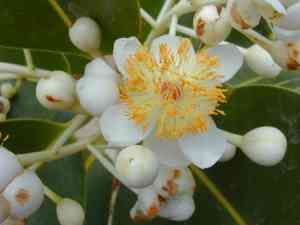
When selecting plants for outdoor spaces, their visual charm is crucial. Tamanu offers unmatched aesthetic value to any garden or landscape. Known for its rich green foliage and appealing crown, Tamanu acts as both a central feature and a supportive backdrop. It's admired for its beautifully textured leaves and the pleasant shade it casts. Whether planted alone or in groups, Tamanu significantly boosts the visual interest and sophistication of outdoor areas.
Tamanu's rising popularity in contemporary landscape plans
Recently, Tamanu has become extremely popular among landscape designers and gardening enthusiasts. A key reason for this surge is its adaptability; Tamanu fits into various landscape styles, from tropical gardens to minimalist designs. Its low-maintenance nature also appeals to both new and experienced gardeners. The move towards sustainable and eco-friendly gardening has further increased interest in Tamanu, as it supports biodiversity and offers shelter for local wildlife.
Optimal Placement of Tamanu in Your Garden
Key considerations for ideal positioning
Placing Tamanu in your garden requires evaluating several elements to ensure its growth and landscape enhancement. Important factors include soil type, sun exposure, and moisture levels. Tamanu is adaptable regarding soil, but well-drained conditions and ample sunlight (at least 6 hours daily) are best. Also, considering Tamanu's mature size is vital to prevent overcrowding or shading nearby plants. Ensuring good air circulation around the plant can help ward off diseases and encourage healthy development.
Recommended planting spots for Tamanu based on its growth habits
Tamanu's distinct growth pattern makes it suitable for various garden locations. Due to its shade-providing canopy, planting Tamanu near seating areas or patios can create a comfortable, cool spot during warmer months. It also works well as a windbreak or privacy screen when positioned along property lines. Another excellent placement is near water features, where its reflection adds a scenic element to your garden design. Understanding Tamanu's growth behavior helps in choosing the best location to maximize its visual and practical benefits.
Combining Tamanu with Other Plants
Companion plants for Tamanu
Pairing Tamanu with suitable companion plants can create a visually striking and harmonious garden. Consider groundcovers and understory shrubs that thrive in partial shade for the area beneath Tamanu's canopy. Ferns, hostas, and ornamental grasses are excellent choices for adding textural contrast. Additionally, flowering plants like camellias or azaleas can provide seasonal color that complements Tamanu's green foliage. Companion plants not only enhance aesthetic appeal but also support a diverse ecosystem within your garden.
Design advice for creating balanced plant arrangements
Achieving balanced plant groupings with Tamanu involves coordinating colors, varying textures, and managing height differences. Begin by selecting a palette of complementary colors; for instance, Tamanu's deep green pairs well with the vibrant hues of flowering plants. Incorporate diverse textures to add depth, such as combining Tamanu's smooth leaves with the feathery foliage of ferns. Finally, consider the height and spread of each plant to ensure shorter plants are in the foreground and taller ones behind Tamanu, creating a layered and visually appealing display.
Seasonal Considerations for Tamanu
Tamanu's appearance throughout the year
Tamanu offers distinct aesthetic and functional qualities across the seasons. In spring, new leaves emerge with a fresh, bright green, bringing a sense of renewal to your garden. During summer, Tamanu's dense canopy provides much-needed shade and a cool retreat. As autumn approaches, the foliage may subtly change color, adding gentle hues to your landscape. In winter, Tamanu largely remains evergreen, maintaining garden structure and interest when many other plants have shed their leaves. Seasonal awareness helps you appreciate and utilize Tamanu's full potential year-round.
Preparing Tamanu for seasonal transitions
To maintain Tamanu's health through seasonal changes, specific preparations are necessary. In spring, applying a balanced fertilizer can stimulate new growth. Mulching around the base helps retain moisture during dry summer months, while consistent watering ensures ongoing vitality. In the fall, pruning can help manage size and shape while removing any dead or diseased branches. Ensuring Tamanu is well-hydrated before winter protects it from cold damage. These practices not only preserve Tamanu's beauty but also promote long-term vigor.
Lasting Advantages of Incorporating Tamanu in Your Landscape
Boosting property value with mature Tamanu
Including Tamanu in your landscape can positively influence your property's worth. As Tamanu matures, it becomes a striking feature that can significantly improve curb appeal. Potential buyers often view mature trees and well-designed gardens as attractive and valuable, which can lead to higher property appraisals. A well-placed and healthy Tamanu indicates thoughtful landscaping, which can distinguish your property in the competitive real estate market.
Ecological benefits associated with planting Tamanu
Planting Tamanu benefits not only your garden but also the wider environment. Tamanu supports local biodiversity by providing habitat and food for various wildlife, including birds and beneficial insects. Its deep root system helps prevent soil erosion and improves soil health. Furthermore, Tamanu contributes to cleaner air by absorbing carbon dioxide and releasing oxygen. These environmental advantages make Tamanu a valuable addition to any eco-conscious landscaping effort.



