How to Prune Wild olive?
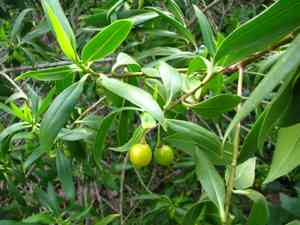
A robust woody plant frequently recognized for its therapeutic properties, wild olive flourishes with particular trimming strategies. The most effective time for pruning is in late winter or early spring to stimulate robust development and blooming. Essential approaches involve reducing densely packed branches and cutting back aged, unproductive stalks to revitalize its growth. Consistent pruning preserves its form and boosts the plant's well-being, increasing its resistance to infestations and ailments.
What Are the Benefits of Pruning Wild Olive?
What Are the Benefits of Pruning Wild Olive?
Trimming wild olive promotes vigorous development and maintains its desired form. Regular cutting aids in fostering a robust structure, ensuring wild olive stays healthy and appealing. This practice is vital for managing size and enhancing the plant's overall appearance.
What Is the Best Time for Pruning Wild Olive?
What Is the Best Time for Pruning Wild Olive?
Pruning wild olive from late winter to early spring is beneficial as it coincides with the end of wild olive's dormant phase and preparation for new growth. This timing allows gardeners to identify and remove any damage sustained during winter, ensuring the plant's energy is directed towards producing healthy new shoots in spring. It also prevents potential stress that pruning during active growth or flowering might cause, thereby safeguarding wild olive's health and vitality. Furthermore, pruning before spring growth begins helps stimulate and shape the development of new foliage and branches, contributing to a more controlled and productive growing season.
What Tools Do I Need to Prune Wild Olive?
Hand Pruners
Perfect for making precise cuts on the smaller, thinner branches of wild olive, hand pruners offer the accuracy needed to preserve the delicate structure without causing unnecessary harm to the plant.
Lopping Shears
Suitable for cutting through thicker branches, typically up to 1.5 inches in diameter, commonly found in the mature parts of wild olive. This tool assists in effectively managing the plant's size and shape.
Pruning Saw
Essential for removing larger branches that lopping shears cannot manage. The pruning saw enables clean cuts of thicker limbs, promoting better health and growth patterns in wild olive.
Hedge Shears
Useful for shaping and trimming the foliage of wild olive, especially when aiming for a specific form or performing routine maintenance to encourage denser growth.
How to Prune Wild Olive
Prepare tools
Select appropriate pruning implements, such as sharp, clean pruning shears or a pruning saw for thicker branches. Ensure they are sanitized to prevent disease transmission when trimming wild olive.
Identify parts
Examine wild olive for dead or diseased branches. Dead branches are typically dry, brittle, and lack green under the bark when scraped. Diseased branches may exhibit signs of discoloration, unusual growth patterns, or decay.
Cut dead branches
Trim dead branches at their junction with a larger branch or near the trunk of wild olive. Make clean cuts at a 45-degree angle to encourage healing and prevent water accumulation, which can lead to disease.
Cut diseased branches
Remove diseased branches by cutting them back to healthy wood, well past any signs of infection. Disinfect pruning tools immediately after cutting to prevent the spread of pathogens to healthy parts of wild olive.
Dispose
Dispose of all removed material by burning, burying, or through municipal green waste services to prevent the spread of any pests or diseases. Avoid composting diseased material to protect other plants and wild olive.
Common Pruning Mistakes with Wild Olive
Overpruning
A common error when pruning wild olive is removing too much foliage at once, which can stress the plant and result in poor growth or reduced flowering.
Improper cut placement
Incorrectly placed cuts can potentially harm wild olive's natural growth pattern. Cuts too far from a bud or node may leave a stub that could rot, attracting pests and diseases.
Using dull tools
Dull pruning tools can create jagged cuts that heal poorly, increasing the risk of infection and disease in wild olive.
Common Pruning Tips for Wild Olive
Sharp tools
Using sharp, clean pruning shears ensures clean cuts that heal quickly, minimizing stress and reducing the risk of disease.
Selective pruning
Focus on removing only dead, diseased, or crossing branches to foster a strong, healthy framework and improve air circulation within wild olive's canopy.
Judicious thinning
Thin out older branches to allow light to penetrate the canopy, which encourages new growth and helps maintain the overall health and aesthetic of wild olive.



