The Wild olive Plant Advantage: Maximizing Home and Office Appeal and Wellness
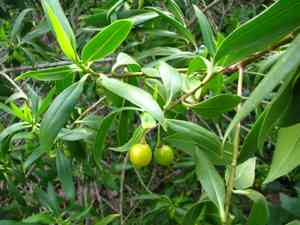
1
Wild olive flourishes in seaside regions, making it ideal for coastal landscapes.
2
Wild olive's robust characteristics mean it needs very little upkeep.
3
Beyond its beauty, Wild olive provides ecological advantages such as preventing soil erosion.
Benefits of Incorporating Wild Olive in Your Garden
Low Upkeep Requirements
Wild olive is known for its robust nature and minimal care needs. Its ability to adapt to various soil types makes it a flexible option for diverse gardening environments. It doesn't demand frequent irrigation, making it an excellent choice for gardeners aiming to conserve water.
Visual Appeal
The rich, green leaves of Wild olive can significantly boost your garden's visual charm. Its inherent beauty provides a striking contrast to more vibrant flowers, adding depth and texture to your outdoor area. Whether used as a focal point or as part of a larger garden scheme, Wild olive can elevate any garden's aesthetic.
Wild Olive's Contribution to Ecological Well-being
Soil Preservation
Wild olive is highly effective at preventing soil erosion. Its strong root system helps stabilize the ground, especially in coastal or sandy regions prone to erosion. By planting Wild olive, you can safeguard your garden and surrounding land from significant soil loss.
Wildlife Support
Wild olive offers a habitat for various animal species. Its foliage and structure provide refuge for birds and insects, enhancing local biodiversity. This aspect makes Wild olive beneficial not only for your garden but also for the broader ecosystem.
Diverse Applications of Wild Olive
Hedges and Screens
Wild olive can be effectively utilized as a natural hedge or screen, offering seclusion and protection from strong winds. Its dense growth habit forms a thick barrier, making it perfect for property boundaries or as a windbreak.
Coastal Gardening
Due to its tolerance for salty conditions, Wild olive is an ideal selection for coastal gardening. Its resilience to salt spray and sandy soils makes it perfect for seaside landscapes. It can endure harsh coastal weather while providing essential greenery and stability to beachside areas.
Wild Olive Care Guidelines
Optimal Growth Conditions
Wild olive thrives best in full sun to partial shade and well-draining soil. While it is drought-resistant, occasional deep watering during extended dry spells can encourage healthy growth. Pruning is generally minimal, but periodic trimming can maintain its desired shape and promote denser foliage.
Pest and Disease Resistance
One of the key attributes of Wild olive is its immunity to common pests and diseases, which further reduces maintenance efforts. Regular observation and good cultivation practices can keep the plant healthy and vibrant.
Integrating Wild Olive into Landscape Design
Companion Planting
Wild olive pairs well with other drought-tolerant plants, creating a cohesive and sustainable landscape design. Consider combining Wild olive with other native plants or succulents for a diverse and resilient garden setup. The contrast in foliage and form can create a visually appealing and ecologically balanced space.
Functional Landscaping
Beyond its visual appeal, Wild olive can serve practical purposes in landscaping. Its use in erosion control, privacy screening, and habitat provision makes it a versatile addition to any garden. Whether you aim to create a tranquil outdoor retreat or a bustling wildlife haven, Wild olive can play a vital role.



