How to Propagate Wild olive?
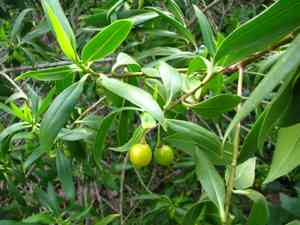
The most effective method for propagating wild olive is via cuttings, with optimal outcomes achieved by choosing segments from robust, established branches. Placing these cuttings in a substrate that drains efficiently, coupled with regular hydration and diffused light, fosters rapid root formation. A light, nutrient-dense propagation medium is essential for supporting vigorous growth.
Optimal Period for Wild Olive Propagation
Propagation Method
Cutting
Propagation Period
Autumn,Winter
Tools for Wild Olive Propagation
Sharp Pruning Shears
These are vital for making clean, precise cuts from wild olive, reducing harm to the parent plant and boosting the chances of successful rooting in the cuttings. Quality shears should be stainless steel to resist rust and maintain sharpness.
Rooting Hormone
This chemical compound encourages root formation from wild olive cuttings. A rooting hormone ensures quicker and more dependable root growth, essential for efficiently establishing new plants. It's especially helpful for improving the rooting environment in difficult-to-root species.
Sterile Potting Mix
Employing a sterile, well-draining potting mix is crucial for wild olive cuttings to prevent fungal issues and offer a healthy medium for root development. A blend of peat, perlite, and vermiculite often provides a balanced environment that retains moisture yet drains effectively.
Humidity Dome
This device helps maintain high humidity around new wild olive cuttings, critical during the initial stages of root development when cuttings are vulnerable and cannot absorb enough moisture. A humidity dome also aids in keeping a stable temperature around the cuttings.
Heat Mat
Placing the propagation tray on a heat mat can significantly improve the rooting success of wild olive by providing consistent warmth from below. This speeds up root growth, especially in cooler conditions, by maintaining the soil at an ideal temperature to stimulate root development.
How to Propagate Wild Olive?
Propagation Type
Moderately Difficult
Caring for Your Newly Propagated Wild Olive
Caring for Your Newly Propagated Wild Olive
Once roots have formed and new growth appears, gradually introduce wild olive to less humid conditions by removing the plastic cover. Water the plant thoroughly but allow the soil to dry slightly between waterings. Fertilize monthly with a balanced liquid fertilizer during the active growth period. Position wild olive where it can receive partial to full sunlight. As wild olive matures, repot into a larger container to accommodate root expansion and enhance overall vitality.
Common Errors to Avoid When Propagating Wild Olive
Overwatering
Excessive watering can cause root rot in wild olive, as it prefers well-drained soil. Too much moisture prevents root systems from accessing necessary oxygen, leading to weakened plant health and potential death of propagated cuttings.
Using old or diseased cuttings
Employing unhealthy or overly mature cuttings often results in poor root development and may introduce diseases to new plants. This can severely impede the growth and survival rate of wild olive propagates.
Insufficient light conditions
Placing wild olive cuttings in either too much direct sunlight or very low light can stress the plant's cuttings, leading to slow root development or sunburn. This makes the propagation process inconsistent and potentially unsuccessful.
Advice for Propagating Wild Olive
Use healthy, semi-hardwood cuttings
For successful propagation of wild olive, select healthy, young, semi-hardwood cuttings from the current or previous year's growth. This ensures a higher chance of successful rooting and robust initial growth.
Provide indirect light
After planting wild olive cuttings, place them in a location with indirect but bright light to encourage rooting without the stress of direct sunlight, which can be too intense.
Maintain moisture balance
Keep the soil moist but not waterlogged to support the development of new roots in wild olive cuttings. Use a well-draining soil mix and consider covering the cutting with a plastic bag to retain humidity, removing it periodically to prevent mold growth.



