How to Prune Woolly burdock?
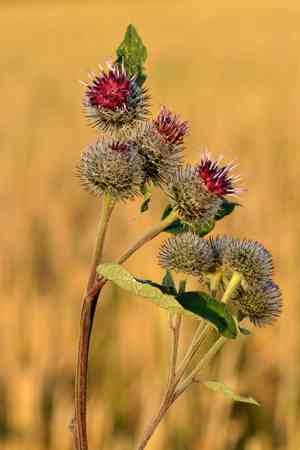
Woolly burdock, a plant that lives for two years and features substantial, fuzzy leaves along with prickly flower clusters, thrives with judicious trimming. Eliminate any withered or ailing leaves and spent blossoms to deter unwanted self-propagation and foster new leaf development. Perform pruning in the latter part of spring or early summer, following its flowering period. Trim near the soil level to control its dimensions and expansion. Consistent trimming improves its look, limits its aggressive growth, and lessens the necessity for significant upkeep later on.
What Are the Benefits of Pruning Woolly Burdock?
What Are the Benefits of Pruning Woolly Burdock?
Trimming woolly burdock promotes robust development and helps maintain a desired form. Eliminating spent blooms or overgrown branches can stimulate fresh growth and enhance the plant's overall appearance.
What Is the Best Time for Pruning Woolly Burdock?
What Is the Best Time for Pruning Woolly Burdock?
Trimming woolly burdock during late spring and early summer coincides with the plant's flowering cycle completion, allowing time for regeneration before dormancy. Pruning in late spring avoids disrupting early spring growth, which includes vital energy reserves for foliage and flower development. By early summer, woolly burdock has typically finished blooming, making it an ideal time to trim without negatively impacting pollination or seed production. Additionally, the plant's sap flow is less vigorous than in fall or winter, reducing stress. Removing spent flowers or seed heads at this time helps control unwanted seed dispersal and encourages a neater growth habit. Pruning during these seasons also allows woolly burdock to heal pruning wounds more effectively, minimizing susceptibility to diseases and pests that often occur if pruning is done during dormant or active growth phases.
What Tools Do I Need to Prune Woolly Burdock?
Bypass Pruners
Crucial for precise cuts on young or tender stems of woolly burdock, bypass pruners ensure a clean, healthy cut without crushing delicate tissues.
Lopping Shears
For thicker, mature stems of woolly burdock that bypass pruners cannot manage, lopping shears provide the necessary leverage and reach.
Gardening Gloves
As woolly burdock may possess thorny parts or irritating sap, gloves protect your hands during the trimming process.
Long-Sleeved Shirt
To prevent scrapes or skin irritation while trimming woolly burdock, wearing a long-sleeved shirt is recommended.
Pruning Saw
For the largest, woodiest stems of woolly burdock, a pruning saw is essential to make clean cuts through thick branches without harming the plant or the pruner.
How to Prune Woolly Burdock
Detect
Inspect woolly burdock closely to identify diseased, withered leaves, and diseased stems that need removal. Look for discoloration, spots, and other indications of illness or decay on the leaves and stems.
Sanitize
Before trimming woolly burdock, clean and sterilize your pruning tools with a 10% bleach or alcohol solution to prevent disease transmission.
Trim Leaves
Carefully remove the diseased and withered leaves from woolly burdock using sharp, sterilized pruning shears. Cut close to the leaf stem's base without harming healthy tissue.
Trim Stems
Eliminate diseased stems by cutting them back to a healthy side shoot or bud. Ensure the cut is clean and angled to prevent water accumulation, which could lead to rot.
Dispose
Discard the removed diseased and withered leaves and stems from woolly burdock in a way that prevents the spread of any potential disease, avoiding composting if the disease can easily spread.
Common Pruning Mistakes with Woolly Burdock
Overpruning
Removing too much at once, which can shock woolly burdock and lead to poor growth or disease susceptibility.
Improper Tool Use
Using dull or unclean tools can injure woolly burdock and create an entry point for infections.
Ignoring Plant Structure
Not understanding the natural shape of woolly burdock could result in cutting the wrong stems, impacting its natural form and vigor.
Neglecting To Remove Dead Material
Failing to remove dead or diseased stems, which can impede healthy growth and encourage disease spread.
Common Pruning Tips for Woolly Burdock
Selective Pruning
Target specific areas for thinning to enhance air circulation and light penetration, which supports the overall health of woolly burdock.
Proper Cutting Technique
Make clean cuts at a 45-degree angle, just above a node or branching point, to encourage healthy new growth on woolly burdock.
Tool Maintenance
Ensure tools are sharp and sterilized before each use to create clean cuts and minimize disease transmission in woolly burdock.
Routine Monitoring
Regularly inspect woolly burdock for dead, dying, or diseased stems and remove these promptly to maintain plant health.



