The Woolly burdock Plant Advantage: Maximizing Home and Office Appeal and Wellness
1
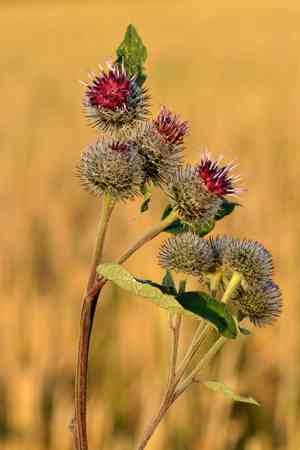
Woolly burdock is recognized for its distinctive fuzzy look and vigorous development.
2
This flora has been utilized historically due to its potential environmental advantages.
3
Woolly burdock can potentially enhance soil quality and regional biological communities.
What is Woolly burdock?
Characteristics of Woolly burdock
Woolly burdock is distinguished by its soft, fuzzy texture covering its leaves and stems. This distinct trait not only provides an appealing look but also acts as a defense against pests and harsh weather. The plant typically grows to heights of about 1 to 2 meters and is known for its vigorous growth in diverse conditions, making it a hardy addition to many environments.
Distribution and Habitat
Woolly burdock is primarily found in temperate zones, flourishing in well-drained ground. It frequently grows in meadows, alongside roads, and in fields, demonstrating its adaptability. The plant prefers sunny spots and can spread quickly under ideal conditions, which is why it's often considered a robust species in its native environments.
Ecological Benefits of Woolly burdock
Contribution to Soil Health
One of Woolly burdock's key ecological advantages is its capacity to improve soil quality. Its deep root system aids in aerating the soil, which can boost water penetration and lessen the risk of soil erosion. Furthermore, Woolly burdock adds organic matter to the soil upon decomposition, thereby enriching nutrient levels and supporting soil microbial communities.
Supporting Local Wildlife
Woolly burdock plays a vital role in sustaining local wildlife. Its blossoms attract a variety of pollinators, including bees and butterflies, which are crucial for maintaining healthy ecosystems. Moreover, its dense foliage offers refuge for small insects and animals, creating a miniature habitat within its immediate surroundings. This support for biodiversity makes Woolly burdock a valuable plant for promoting ecological balance.
Historical Uses of Woolly burdock
Traditional Applications
Historically, Woolly burdock has been employed for various traditional purposes. Its leaves and roots have been utilized for their fibrous properties, often in the creation of ropes and mats. The plant's resilience and availability made it a practical resource for early communities, showcasing its versatility and usefulness.
Ecological Restoration Projects
In recent times, Woolly burdock has been used in ecological restoration initiatives. Due to its tough nature and ability to thrive in disturbed soils, it is frequently planted in areas needing rehabilitation. The plant's capacity to stabilize soil and support local fauna makes it an excellent choice for restoring degraded habitats, thus contributing to contemporary conservation efforts.
How to Cultivate Woolly burdock in Your Garden?
Ideal Growing Conditions
If you're thinking about growing Woolly burdock in your garden, it's crucial to mimic its natural growing conditions as closely as possible. The plant thrives in full sun to partial shade and prefers well-drained soil. It adapts to various soil types, but ensuring good drainage is essential to prevent root rot. Additionally, Woolly burdock can withstand periods of drought, making it a low-maintenance addition to your garden.
Propagation Techniques
Propagating Woolly burdock is relatively simple. The plant can be grown from seeds or root cuttings. For seed propagation, it's best to sow seeds in the spring when the soil begins to warm. Ensure seeds are placed at a shallow depth and kept moist until they germinate. Root cuttings can be taken in late autumn, making sure each cutting includes a portion of the root crown. These cuttings should be planted immediately in prepared soil to encourage new growth.
Can Woolly burdock Enhance Your Local Ecosystem?
Increasing Biodiversity
Introducing Woolly burdock into your garden or local area can significantly boost biodiversity. Its ability to attract pollinators and provide habitat for various species can lead to a more vibrant and diverse ecosystem. This increased biodiversity not only beautifies the area but also enhances ecological resilience, fostering more robust and self-sustaining environments.
Participating in Conservation Efforts
By cultivating Woolly burdock, you can actively engage in local conservation initiatives. The plant's positive impact on soil health and support for wildlife aligns with many conservation objectives. Furthermore, promoting the growth of native plants like Woolly burdock can help combat the spread of invasive species, fostering healthier ecosystems. Participating in such efforts can be a rewarding way to contribute to environmental sustainability and protect natural habitats.



