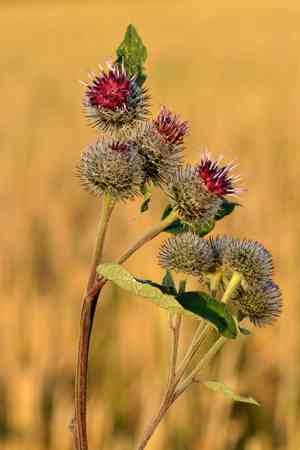
Woolly burdock (Arctium tomentosum)
Also known as: Woolly Burdock
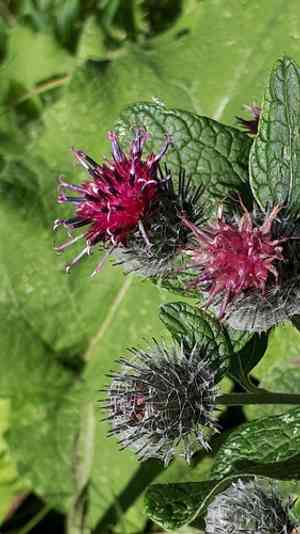
The woolly burdock, also known as Downy Burdock, is a tall biennial plant originally from Europe and Asia. Its flowers develop into large, hooked burrs as they mature, which cling to animal fur for dispersal. This plant has made its way to the Americas, where it is deemed invasive.
In This Article
Attributes of Woolly burdock
Lifespan
Biennial
Plant Type
Herb
Plant Height
50 cm to 1.5 m
Spread
Normal diameter around 1 meter (3.3 feet)
Leaf Color
Green Blue
Flower Size
9 mm to 1.2 cm
Flower Color
Purple Red
Images of Woolly burdock
Quickly Identify Woolly burdock
1
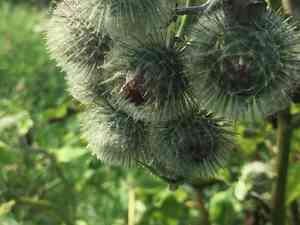
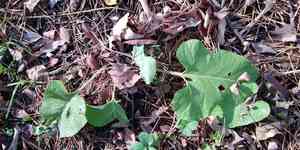
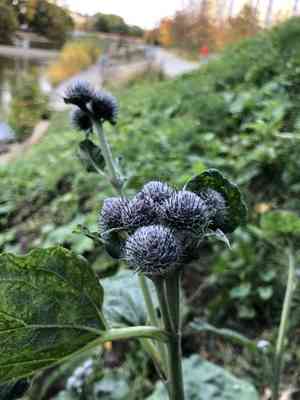
Identify Arctium tomentosum by its woolly, grayish-green leaves, large globular flower heads with hooked bracts, and purple florets.
Scientific Classification of Woolly burdock
Phylum
Vascular plants
Class
Dicotyledons
Order
Asterales
Family
Daisy
Genus
Burdock
Species
Woolly burdock
Planting and Growing of Woolly burdock
Care Difficulty
Easy
Watering Schedule
Every 3 days
Sunlight Requirements
Partial sun
Sunshine Duration
6-10 hours
Ideal Temperature
60-75℉
Soil Type
Potting Mix, Peat Mix
Soil pH
6.5-7.5
Fertilizer Type
Balanced
Pruning Season
Spring, Summer
Pruning Area
Branches, Leaves
Pruning Frequency
2 times a year
Repotting Season
Spring
Pot Type
Plastic, Ceramic
 How to Water Woolly burdock?
For Arctium tomentosum, watering should be thorough yet moderate. Ensure the soil is moist but not waterlogged, allowing excess water to drain out. Avoid pooling water at the base to prevent root rot. It's ideal to water with approximately 250 ml per session, ensuring even distribution across the soil surface.
What are the symptoms of an underwatered Woolly burdock?
›
What should I do if my Woolly burdock is not getting enough water?
›
What are the symptoms of an overwatered Woolly burdock?
›
How to save an overwatered Woolly burdock?
›
 What Are the Sunlight Requirements for Woolly burdock?
Partial sunlight is ideal for Arctium tomentosum, offering a balance that supports photosynthesis while preventing leaf scorch. Sustained partial sun exposure leads to vibrant growth, improved flowering, and enhances the plant's overall resilience.
More About Sunlight Requirements Techniques→
What is the ideal light for Arctium tomentosum?
›
How can you optimize light for Arctium tomentosum?
›
What are the benefits of ideal light conditions?
›
 What Is the Ideal Temperature Range for Woolly burdock?
The ideal temperature range for growing Arctium tomentosum is between 60°F and 75°F. Within this range, the plant can metabolize nutrients efficiently and maintain steady growth. Temperatures in this range also support optimal enzyme activity, which is crucial for the plant's biological processes.
 What Soil is Best for Woolly burdock?
Arctium tomentosum thrives best in well-draining soils, which prevents waterlogging and root rot. Good drainage allows roots to access oxygen effectively, promoting healthier plant growth and increased resistance to disease. The plant requires nutrient-rich soil, which provides essential minerals and nutrients that support vigorous growth and flowering. Nutrient availability is key to maintaining the plant's lush foliage and robust health. Soil should retain medium moisture, which ensures that the plant remains hydrated without becoming waterlogged. Consistent moisture is critical for steady growth and preventing stress from drought conditions.
 How to Fertilize Woolly burdock?
For Arctium tomentosum, it is essential to employ a balanced approach to fertilization. Typically, a dilute liquid fertilizer should be applied at half the recommended strength on the product label every fortnight. For slow-release fertilizers, a well-measured amount, roughly a handful per plant or according to the manufacturer's guidelines, can ensure steady growth without overburdening the soil.
 How to Prune Woolly burdock?
Begin by removing any dead or damaged stems and leaves. This helps prevent disease and ensures the plant's energy is focused on healthy growth. Cut back to the base of the stem or a healthy bud. To shape the plant, trim back overgrown stems and encourage a bushier structure. Cut just above a leaf node or lateral shoot to promote new growth, ensuring even distribution around the plant for a balanced look. Keep the plant at a manageable size by selectively thinning out crowded stems. This increases air circulation and light penetration, reducing disease risk and promoting vigorous growth.
More About Pruning Techniques→
 How to Propagate Woolly burdock plant?
1
Begin by scattering the seeds evenly across a seed tray filled with potting mix. Cover them with a thin layer of soil, approximately 1-2 cm deep. Ensure good soil contact and firm lightly to secure the seeds in place.
2
Water the seeds gently but thoroughly using a spray bottle or fine watering can. Avoid overwatering to prevent fungal issues, maintaining moisture levels sufficient for germination without encouraging rot.
3
Place the seed tray in a well-lit area, ideally under indirect sunlight. Maintain a consistent temperature and monitor moisture levels. Germination can occur within two weeks, and regular checks will help manage pests and diseases.
 How to Repot Woolly burdock plant?
1
Look for signs like roots emerging from the drainage holes or soil that dries out quickly even with regular watering. These are indicators that Arctium tomentosum has outgrown its current pot and needs more space to flourish.
2
Opt for a pot that's one size larger than the current one, with good drainage to prevent waterlogging. A well-chosen pot helps maintain healthy root growth and prevents root rot, providing the plant with a sturdy foundation.
3
Choose a well-draining, loamy soil mix enriched with organic matter. This type of soil ensures optimal water retention and nutrients, promoting vigorous growth and a robust root system for Arctium tomentosum.
Learn More About Woolly burdock Diseases
Anthracnose
Bacterial Leaf Spot
Bacterial Soft Rot
Bacterial Wilt
Crown Gall
Cyst Nematode
Damping-off
Downy Mildew
Drought Stress
Fusarium Wilt
Gray Mold
Leaf Spot
Mosaic
Nutrient Deficiency
Nutrient Toxicity
Powdery Mildew
Root Rot
Root-knot Nematode
Rusts
Sooty Mold
Spider Mites
Temperature Stress
Thrips Damage
White Mold
Chemical Injury



