How to Propagate Woolly burdock?
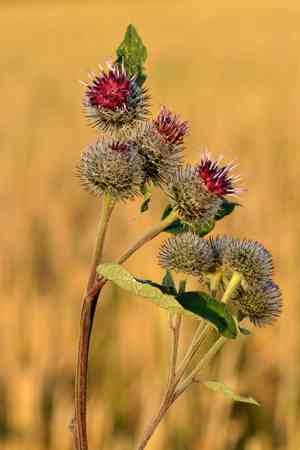
Woolly burdock is generally reproduced by planting its seeds. For effective sprouting, scatter the seeds on the surface of well-draining earth, gently pressing them into the medium without completely burying them, since they need illumination to germinate. Continuously damp conditions should be preserved, but be careful not to saturate the soil and cause the seeds to decay. After young plants appear and become robust, thin them to avoid excessive density, which can hinder development. By following these steps, cultivators can grow thriving woolly burdock specimens.
Optimal Time for Woolly Burdock Propagation
Propagation Method
Seeding
Propagation Period
Spring
Tools for Woolly Burdock Propagation
Seed trays
Seed trays are crucial for initiating woolly burdock from seeds in controlled settings, enabling uniform spacing and ideal depth. These trays help maintain consistent moisture and temperature, two vital elements that boost germination success.
Potting soil
A premium, nutrient-rich potting soil supports the initial growth phases of woolly burdock seedlings by supplying essential nutrients and good drainage. It is particularly beneficial for woolly burdock, which thrives in well-drained soil to prevent root ailments.
Watering can with a fine rose
This tool ensures gentle irrigation of woolly burdock seeds without dislodging them. The fine rose attachment disperses water evenly, mimicking light rainfall, which is perfect for keeping young seedlings hydrated without causing erosion or exposing roots.
Plant labels and marker
Plant labels are important for tracking woolly burdock during its early growth stages. Using a weather-resistant marker helps clearly identify each plant, especially when managing multiple species, to accurately monitor their development and provide specific care.
Grow lights (optional)
If starting seeds indoors, grow lights can provide the necessary light spectrum that woolly burdock might lack in low natural light conditions. These are especially useful during late fall or winter sowings when daylight is insufficient for standard photosynthesis.
How to Propagate Woolly Burdock?
Propagation Type
Simple
Caring for Your Newly Propagated Woolly Burdock
Caring for Your Newly Propagated Woolly Burdock
Post-propagation, ensure woolly burdock receives ample sunlight and moderate water, allowing the soil to dry slightly between waterings. Woolly burdock is generally low-maintenance but benefits from occasional feeding with a balanced fertilizer, especially in poor soils. Mulching around the base can help retain moisture and suppress weeds. Monitor for pests and diseases, though woolly burdock is relatively resilient. Remove spent flower heads to prevent excessive self-seeding if desired.
Common Errors to Avoid When Propagating Woolly Burdock
Overwatering
Excessive watering during propagation can lead to root rot in woolly burdock, as this species prefers well-drained soil. Saturated soil can hinder root development and cause fungal infections, negatively impacting the plant's health and reducing its chances of successful propagation.
Insufficient root space
Attempting to propagate woolly burdock in overly small containers can restrict root growth. Limited space can impede the development of a robust root system, which is crucial for nutrient absorption and the plant's overall vitality.
Neglecting seed dormancy
Failing to recognize the dormant nature of woolly burdock's seeds may result in unsuccessful germination. This species' seeds often require specific conditions to break dormancy, and skipping or poorly executing this process can lead to low germination rates.
Tips For Propagating Woolly Burdock
Proper spacing
When propagating woolly burdock from seeds, ensure adequate spacing between seeds to prevent overcrowding. This promotes better air circulation and reduces disease risk, facilitating healthier growth and easier seedling management.
Cold stratification
To enhance germination rates of woolly burdock's seeds, use a cold stratification method. This involves exposing the seeds to a cold, moist environment for several weeks, mimicking natural winter conditions to break seed dormancy.
Well-draining soil
Utilize well-draining soil mixes when propagating woolly burdock. This will help prevent waterlogging and root rot, creating favorable conditions for the development of a strong root system. Ensuring proper drainage is vital for the health and spread of this plant species.



