How to Prune Creeping peanut?
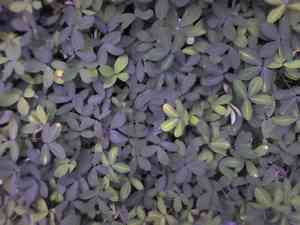
As a nitrogen-fixing groundcover, Arachis glabrata flourishes with consistent trimming to foster thick development. Perform pruning in late winter or early spring, prior to the emergence of new shoots. Employ sharp cutting implements to uphold a preferred form and eliminate any impaired or ailing leaves. Frequent trimming benefits Arachis glabrata by averting excessive growth, cultivating a verdant, carpet-like aesthetic, and can revitalize mature specimens. Horticulturalists must guarantee their tools are sanitized to prevent the spread of pathogens.
What Are the Benefits of Pruning Creeping Peanut?
What Are the Benefits of Pruning Creeping Peanut?
Trimming creeping peanut promotes robust development, ensuring it stays thick and compact. It preserves its intended form, fostering a consistent, attractive ground cover appearance.
What Is the Best Time for Pruning Creeping Peanut?
What Is the Best Time for Pruning Creeping Peanut?
Trimming creeping peanut in late winter or early spring is optimal, coinciding with dormant periods or just before the growth season begins. This timing allows the gardener to shape the plant and remove dead or damaged foliage without interrupting active growth. It also prepares creeping peanut for vigorous growth as temperatures rise, ensuring the plant's energy is directed to new, healthy growth. Pruning after late spring is not advisable as creeping peanut may have already initiated growth, and pruning at this stage can stress the plant and reduce its vitality. Additionally, creeping peanut may produce flowers or small pods as it is related to the legume family, and pruning during the growing or reproductive phase can impact these processes negatively.
What Tools Do I Need to Prune Creeping Peanut?
Hand Pruners
Perfect for precise cutting and shaping of creeping peanut, enabling the gardener to trim excess growth or remove dead foliage with minimal disruption to the rest of the plant.
Gardening Shears
Useful for uniformly clipping creeping peanut over large areas, especially for maintaining its desired height and boundary control within garden spaces.
Pruning Saw
Generally not needed for creeping peanut, but if older, woody stems must be removed, a small pruning saw can accomplish the task without causing undue harm to the plant.
Garden Scissors
Suitable for delicate trimming tasks and thinning of creeping peanut. Garden scissors offer the necessary control to ensure only the intended sections are cut.
How to Prune Creeping Peanut
Identify And Remove
Locate and carefully remove any diseased leaves from creeping peanut, ensuring to cut at the base of the leaf stem to prevent damage to the rest of the plant.
Trim Withered Leaves
Trim any withered leaves from creeping peanut, following a similar approach to step one, to maintain a tidy appearance and encourage healthy growth.
Disinfect Tools
Clean and disinfect all pruning tools before and after use to prevent the spread of disease to other parts of creeping peanut or to other plants.
Collect And Dispose
Gather all the removed diseased and withered leaves, and dispose of them appropriately, away from creeping peanut, to avoid reinfection or decay that could attract pests.
Water And Care
After pruning, water creeping peanut carefully, avoiding overwatering, and continue regular care to promote recovery and robust growth.
Common Pruning Mistakes with Creeping Peanut
Overpruning
Removing excessive foliage or too many nodes at once can stress creeping peanut, hindering its ability to recover and regrow effectively.
Blunt Tools
Using dull or unclean cutting tools can result in jagged cuts, potentially leading to disease and poor regrowth in creeping peanut.
Random Cuts
Trimming creeping peanut without a clear objective or strategy can lead to uneven growth and potentially damage the plant's form, as cuts need to be strategic to encourage desired growth patterns.
Neglecting Health Checks
Failing to inspect creeping peanut for signs of disease or pests before pruning can lead to inadvertently spreading issues throughout the plant.
Improper Cut Location
Making cuts too far from a node or into the main stem can hinder creeping peanut's ability to seal the wound and encourage new growth.
Unequal Spacing
Not maintaining even spacing between nodes while pruning creeping peanut can result in a less aesthetically pleasing and uneven density in foliage.
Common Pruning Tips for Creeping Peanut
Clean Sharp Tools
Always use sharp, sanitized pruning tools to ensure clean cuts and reduce the risk of spreading disease in creeping peanut.
Strategic Cuts
Identify the desired shape and density before pruning creeping peanut. Aim to make cuts just above leaf nodes to encourage bushier growth.
Moderation
Practice moderation when pruning creeping peanut; remove only necessary parts and no more than one-third of the foliage at once to avoid stressing the plant.
Regular Maintenance
Regularly remove dead or yellowing leaves from creeping peanut to maintain plant health and aesthetic appeal, and to stimulate growth.
Consistent Shape
Prune creeping peanut to maintain a consistent shape and prevent leggy or sparse areas. Follow the natural form of the plant for best results.
Post-Pruning Care
After pruning creeping peanut, ensure appropriate aftercare such as adequate watering and feeding to aid in the plant's recovery and regrowth.



