How to Propagate Creeping peanut?
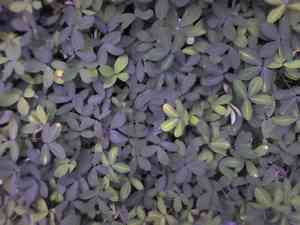
Arachis glabrata is a resilient ground-covering flora recognized for its thick, low-growing leaves and its adaptability to warmer regions. Successful multiplication of Arachis glabrata primarily utilizes asexual reproduction techniques like division, where portions of the plant are detached to generate new specimens. This approach guarantees the genetic uniformity of the progeny and typically leads to more dependable establishment. An alternative prevalent technique involves employing runners or stolons, which Arachis glabrata readily generates, facilitating straightforward cultivation and expansion in a suitable setting. Gentle manipulation during the relocation of segments or the rooting of stolons will aid in preserving the well-being and developmental strength of Arachis glabrata.
What Is the Best Time To Propagate Creeping Peanut?
Propagation Type
Seeding
Propagation Season
Spring
What Tools Are Used in Creeping Peanut Propagation?
Seedling Trays
Seedling trays are vital for starting creeping peanut from seeds. These trays enable uniform seed distribution and simplify maintaining consistent soil moisture, which is crucial for successful creeping peanut germination. Their compact design optimizes space, especially when propagating many plants.
Fine-textured Potting Mix
A fine-textured, light, and well-draining potting mix supports delicate creeping peanut seeds by offering an ideal growth medium. This mix ensures proper air and water flow, essential for early root development in creeping peanut, minimizing waterlogging and subsequent root rot risks.
Misting Bottle
During creeping peanut propagation, maintaining proper moisture levels is critical. A misting bottle allows for gentle watering that won't disturb creeping peanut seeds or emerging seedlings. A constant, fine mist keeps the environment humid, which benefits seed germination.
Heat Mat
A heat mat gently warms the soil, boosting the germination rate of creeping peanut. By sustaining a steady temperature, particularly in cooler climates or seasons, the heat mat encourages quicker and more uniform seedling growth, ensuring the development of robust, healthy plants.
Grow Lights
Grow lights provide supplementary illumination, essential when natural sunlight is insufficient, such as indoors or during shorter days. These lights support the photosynthetic needs of young creeping peanut plants, fostering stronger, healthier growth from the germination stage.
How to Propagate Creeping Peanut?
Propagation Type
Simple
How to Care for Your Newly Propagated Creeping Peanut?
How to Care for Your Newly Propagated Creeping Peanut?
After successful propagation and once creeping peanut is established, it needs minimal care. Maintain consistent soil moisture without waterlogging, and apply a balanced, slow-release fertilizer every two months during the growing season to support growth. Regularly trim runners to manage their spread, especially as ground cover in mixed gardens. Protect creeping peanut from extreme cold, as it prefers warmer temperatures.
Common Mistakes to Avoid When Propagating Creeping Peanut
Overwatering
Excessive watering of creeping peanut can lead to root rot, as it thrives in well-drained conditions. Overwatering can suffocate roots, hinder oxygen uptake, and promote fungal infections, impeding healthy growth and propagation.
Deep planting
Planting creeping peanut cuttings too deeply can prevent them from getting enough light and air, which are vital for initiating new root development. This error can delay or inhibit the establishment of new plants.
Ignoring runner health
Failing to ensure that creeping peanut runners are healthy before propagation can result in poor establishment and growth of new plants. Unhealthy runners might carry diseases or pests, compromising the propagation process.
Excessive handling
Handling creeping peanut too often or roughly during propagation can damage delicate roots and shoots, leading to lower survival rates and increased plant stress, which can significantly impede growth.
Tips For Propagating Creeping Peanut
Light contact with soil
Ensuring that creeping peanut runners have light contact with the soil aids in better root initiation. This contact should be gentle to avoid damaging the runners, facilitating effective rooting and growth.
Consistently moist soil
Maintaining a consistently moist soil environment for creeping peanut helps promote healthy root development. The soil should not be waterlogged; it should be damp to the touch, supporting optimal growth conditions without risking root rot.
Use of sharp tools
Using sharp tools when cutting creeping peanut runners ensures clean cuts that heal quickly and reduce the risk of disease transmission. Clean and precise cuts aid in faster recovery, promoting healthier propagation.
Adequate spacing
Providing adequate spacing between newly planted creeping peanut sections allows sufficient room for growth and air circulation, which are essential for preventing fungal diseases and encouraging robust plant development.



