The Creeping peanut Plant Advantage: Maximizing Home and Office Appeal and Wellness
1
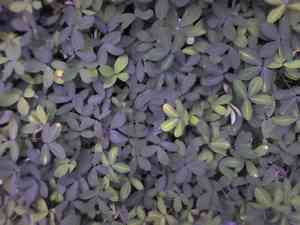
This plant serves as an easy-care ground cover, aiding in the prevention of soil degradation.
2
It effectively fixes nitrogen, thereby improving the soil's richness.
3
Its appealing leaves and blooms contribute beauty to any garden setting.
Why is Creeping peanut an Excellent Ground Cover?
Soil Erosion Prevention
A primary advantage of Creeping peanut is its effectiveness in stopping soil erosion. Its extensive root network helps secure the soil, making it perfect for sloped areas and places prone to erosion. This prevents the loss of valuable topsoil and maintains your garden's structure.
Low Maintenance Beauty
Another benefit of using Creeping peanut as a ground cover is its minimal upkeep needs. Once rooted, it requires little watering and care, ideal for gardeners desiring a beautiful landscape without constant effort. Its thick foliage naturally suppresses weeds, further reducing manual weeding.
How Does Creeping peanut Improve Soil Fertility?
Nitrogen Fixation
A key characteristic of Creeping peanut is its capacity to fix atmospheric nitrogen. This means the plant converts airborne nitrogen into a form usable by other plants. Consequently, Creeping peanut enriches the soil with nitrogen, lessening the need for chemical fertilizers and fostering healthier plant growth.
Organic Matter Enrichment
Beyond nitrogen fixation, Creeping peanut also adds organic matter to the soil. As its leaves decompose, they contribute valuable organic material, enhancing soil structure and fertility. This organic matter improves water retention and nutrient availability, creating a better environment for other plants.
What Are the Aesthetic Benefits of Creeping peanut?
Attractive Foliage and Flowers
Beyond its practical uses, Creeping peanut also offers visual appeal. The plant features lush, green leaves that can form a beautiful carpet-like effect in your garden. Additionally, it produces small, vibrant blooms that add a splash of color and attract pollinators like bees and butterflies.
Versatile Landscaping Options
Whether you wish to use Creeping peanut as a ground cover, border plant, or even in hanging baskets, its adaptability makes it a valuable addition to any garden. Its spreading habit allows it to fill gaps and create a unified look, enhancing your landscape's overall beauty.
How to Grow and Care for Creeping peanut?
Planting Guidelines
When planting Creeping peanut, select a spot that gets full to partial sunlight. It thrives in well-drained soil and can tolerate various soil types, including sandy and clay. Space plants about 12-18 inches apart to allow for proper growth and coverage.
Ongoing Care
Once established, Creeping peanut needs minimal attention. Water plants regularly during the initial rooting phase. Once well-rooted, they become drought-tolerant and only require occasional watering. Pruning is generally not needed, but you can trim edges for a tidy appearance.
What Wildlife Benefits Are Associated with Creeping peanut?
Habitat for Beneficial Insects
Creeping peanut offers an excellent habitat for helpful insects, such as bees and butterflies. Its flowers attract these pollinators, boosting biodiversity in your garden. Furthermore, its dense foliage can provide shelter for other small beneficial insects and organisms.
Food Source for Wildlife
The seeds and flowers of Creeping peanut can also serve as sustenance for various wildlife species. Birds and small mammals may find nourishment in the seeds, while the flowers provide nectar for pollinators. Including Creeping peanut in your garden can thus support your local ecosystem.
Is Creeping peanut Suitable for Sustainable Gardening?
Eco-Friendly Plant Choice
Given its nitrogen-fixing capabilities and low maintenance needs, Creeping peanut is an environmentally friendly option for sustainable gardening. By reducing the demand for chemical fertilizers and minimizing water use, it promotes more sustainable gardening practices.
Integrated Pest Management
Creeping peanut can also contribute to integrated pest management. Its dense growth can naturally suppress weeds, lessening the need for chemical herbicides. Additionally, it attracts beneficial insects that can help control pest populations, fostering a balanced and healthy garden environment.



