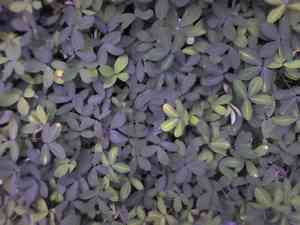
Creeping peanut (Arachis repens)
Also known as: Perennial Peanut, Pinto Peanut
Bird's-foot Trefoil (*Lotus corniculatus*) is a low-growing perennial that excels in colonizing open, sandy soils. It features oval, hairy leaves and yellow, pea-like flowers, reflecting its relation to the legume family. This plant thrives in various climates and spreads efficiently through its creeping stems, which root at the nodes.
In This Article
Attributes of Creeping peanut
Lifespan
Perennial
Plant Type
Herb
Plant Height
10-20 cm
Spread
Variable, can spread extensively as ground cover
Leaf Color
Green
Flower Size
1-2 cm
Flower Color
Yellow
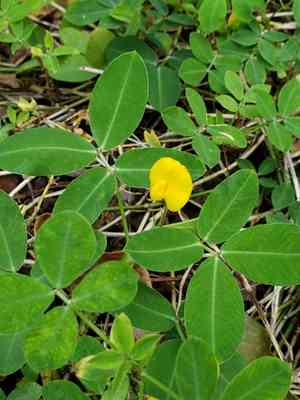
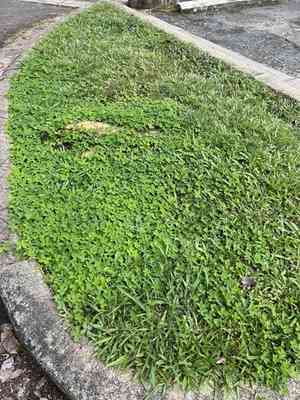
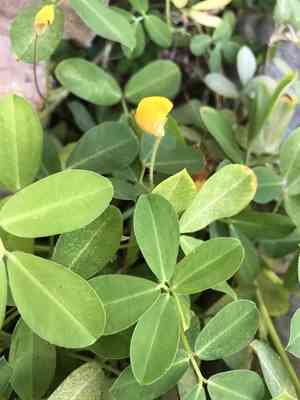
Images of Creeping peanut
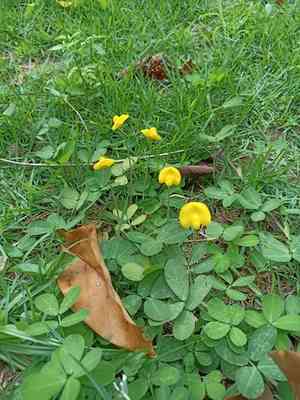
Quickly Identify Creeping peanut
1
Identify Arachis repens by its low-growing, mat-forming habit, trifoliate leaves, and bright yellow flowers. The plant has a creeping growth pattern and often forms dense ground cover.
Scientific Classification of Creeping peanut
Phylum
Vascular plants
Class
Dicotyledons
Order
Fabales
Family
Legume
Genus
Arachis
Species
Creeping peanut
Planting and Growing of Creeping peanut
Care Difficulty
Easy
Watering Schedule
Every 3 days
Sunlight Requirements
Full sun
Sunshine Duration
4-8 hours
Ideal Temperature
68-77℉
Soil Type
Potting Mix, Peat Mix
Soil pH
6.5-7.5
Fertilizer Type
Balanced
Pruning Season
Spring, Summer
Pruning Area
Branches, Leaves
Pruning Frequency
2 times a year
Repotting Season
Spring
Pot Type
Ceramic, Plastic
 How to Water Creeping peanut?
For Arachis repens, it's ideal to water deeply but not too frequently. A single watering session should provide about 500 ml per plant, ensuring the soil is uniformly moist but not waterlogged.
What are the symptoms of an underwatered Creeping peanut?
›
What should I do if my Creeping peanut is not getting enough water?
›
What are the symptoms of an overwatered Creeping peanut?
›
How to save an overwatered Creeping peanut?
›
 What Are the Sunlight Requirements for Creeping peanut?
Arachis repens prospers under full to partial sun, ideally receiving 6-8 hours of light daily. This exposure supports vigorous growth, ensures lush foliage, and promotes prolific flowering—key factors in its appeal as ground cover.
What is the optimal sunlight for Arachis repens?
›
How can I ensure my Arachis repens gets ideal sunlight?
›
What are the benefits of ideal sunlight for Arachis repens?
›
 What Is the Ideal Temperature Range for Creeping peanut?
What is the best temperature range for Arachis repens growth? The ideal temperature range for Arachis repens is between 68°F and 77°F. Within this range, the plant thrives, showing optimal growth and blooming. Maintaining this range ensures that the metabolic processes of the plant function efficiently, leading to lush foliage and healthy root development.
 What Soil is Best for Creeping peanut?
Arachis repens thrives best in well-draining soil that prevents waterlogging, which can lead to root rot. Good drainage ensures that the roots receive enough oxygen, promoting healthy growth and development. This plant benefits from a nutrient-rich substrate that can provide the essential macro and micronutrients needed for lush green foliage. Enriched soil enhances its ability to flourish and maintain vibrant leaf coloration. The plant requires soil that retains adequate moisture without being overly saturated. This balance allows for consistent water availability to the plant without risking fungal diseases.
 How to Fertilize Creeping peanut?
For Arachis repens, using a balanced liquid fertilizer with an NPK ratio of 10-10-10 is recommended. Apply about 10-20 ml of this diluted solution around the base, avoiding direct contact with leaves. This ensures the plant gets essential nutrients without the risk of over-fertilizing.
 How to Prune Creeping peanut?
Begin your pruning by eliminating any dead or unhealthy branches. These can sap the plant's energy and harbor pests or diseases, so their removal is a priority. Trim back overgrown branches to maintain your desired shape. Aim for a rounded, compact form that encourages even growth. Cut just above a node or bud to encourage branching. In denser areas of growth, selectively thin some branches to improve airflow and light penetration. This helps to prevent fungal diseases and encourages even growth.
More About Pruning Techniques→
 How to Propagate Creeping peanut plant?
1
Select a healthy branch and use sterilized pruning shears to cut a section about 10 cm long. Remove leaves from the bottom half and dip the cut end in rooting hormone.
2
Sow Arachis repens seeds in a well-draining seed tray filled with substrate. Cover lightly with soil, water gently, and ensure the substrate remains moist but not waterlogged.
3
Carefully lift the entire plant and separate the roots into smaller sections. Each section should have ample roots and part of the foliage to ensure successful establishment.
 How to Repot Creeping peanut plant?
1
The ideal time to repot Arachis repens or 'Creeping Peanut' is when you notice growth stalling or the roots peeking out from drainage holes. These are classic signals the plant has outgrown its pot, yearning for more expansive quarters.
2
Opt for a pot that is 1-2 inches larger in diameter than the current one, with ample drainage holes to prevent waterlogging. This thoughtful selection promotes healthy root development and reduces the risk of root rot.
3
Arachis repens thrives in well-draining sandy soil enriched with organic matter. This soil mix ensures the roots are aerated and less prone to rot, mimicking its natural habitat's conditions for optimal growth.



