Enhancing Your Garden Design with the Creeping peanut Plant: A Landscaping Guide
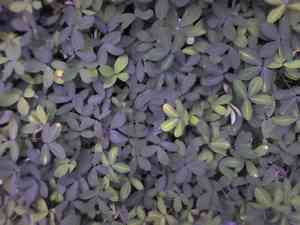
1
Arachis pintoi enhances soil quality through nitrogen fixation.
2
This species demands little upkeep, making it an ideal option for time-constrained horticulturists.
3
Its vivid green foliage and yellow blossoms can enliven any exterior area.
Introducing Creeping Peanut in Landscape Design
Overview of Creeping Peanut and its distinct features
Recognized for its spreading growth pattern, Creeping Peanut is a low-lying perennial that expands horizontally, forming a dense, green, carpet-like covering. This plant tolerates drought, is robust, and adapts well to various soil types. Beyond its visual appeal with vibrant green leaves and small yellow blooms, it serves a practical purpose in ground cover, safeguarding soil and preventing erosion. Additionally, Creeping Peanut is known for its capacity to fix nitrogen in the soil, enriching the ground and fostering overall garden vitality.
Why select Creeping Peanut for your garden or yard?
Choosing Creeping Peanut for your landscape design offers numerous advantages. Firstly, its resilience means it can flourish in challenging conditions, including poor soil quality and minimal rainfall. Secondly, its unique nitrogen-fixing ability ensures a healthier soil environment, reducing the need for chemical fertilizers. Moreover, Creeping Peanut provides visual appeal, with its dense growth offering a neat and orderly look year-round. This adaptable plant performs well in diverse settings, from expansive lawns to small garden plots.
Utilizing Creeping Peanut for Visual Impact
How to position Creeping Peanut for optimal aesthetic appeal
To maximize Creeping Peanut's visual impact, carefully consider its placement. For instance, using Creeping Peanut as a border plant along walkways can create a continuous, flowing aesthetic that draws the eye. Plant Creeping Peanut in larger groupings for a more dramatic effect, allowing its thick foliage and contrasting yellow flowers to stand out. Additionally, employing it as a ground cover in garden beds can establish a uniform backdrop, highlighting other ornamental plants.
Design concepts: Blending Creeping Peanut with other plants
Integrating Creeping Peanut with other plants can enhance your garden's visual diversity and ecological benefits. Pair it with taller, textured plants to create depth and contrast. For example, Creeping Peanut looks splendid alongside ornamental grasses or flowering shrubs. The juxtaposition of its low-growing, lush green foliage against taller, more structured plants can create a balanced, layered appearance. Furthermore, incorporating Creeping Peanut with flowering perennials can result in a vibrant, colorful display throughout the growing season.
Creeping Peanut's contribution to soil health and protection
One of the significant benefits of incorporating Creeping Peanut into your landscaping is its positive effect on soil health. Acting as a natural mulch, Creeping Peanut helps maintain soil moisture and temperature, reducing the need for extra watering and shielding plant roots from extreme temperature fluctuations. Additionally, its robust root system prevents soil erosion by anchoring the soil during heavy rains. The nitrogen-fixing capability of Creeping Peanut further contributes to soil fertility by enriching it with essential nutrients, promoting healthier plant growth.
Maintenance advantages of using Creeping Peanut
Opting for Creeping Peanut for your landscaping needs comes with considerable maintenance benefits. This plant's ground-covering nature significantly reduces weed growth, minimizing the time and effort required for weeding. Creeping Peanut is also relatively pest-resistant, lessening the need for chemical interventions. Moreover, its drought-tolerant properties mean less frequent watering, making it an ideal choice for low-maintenance gardening. Regularly trimming the edges can keep Creeping Peanut looking neat and prevent it from spreading into unwanted areas, ensuring your garden remains tidy and organized.
Step-by-step guide to establishing pathways
Creating pathways with Creeping Peanut can be a simple and rewarding project. Start by outlining the path with a garden hose or string, ensuring it blends naturally with the landscape. Remove any existing grass or weeds within the marked area. Next, loosen the soil with a garden fork to encourage healthy root development. Plant Creeping Peanut along the path's edges, ensuring even spacing for a uniform look. Water thoroughly to help the plants establish, and add a layer of mulch to suppress weeds and retain moisture. Over time, Creeping Peanut will spread to form a beautiful, green pathway border.
Tips for integrating Creeping Peanut with hardscape elements
Integrating Creeping Peanut with hardscapes like stone patios, garden benches, and stepping stones can create a seamless blend between natural and constructed features. Plant Creeping Peanut in the gaps between stepping stones or along patio edges to soften the hardscape's appearance and create a more inviting ambiance. Ensure the soil between the stones is well-drained and loosened to promote healthy growth. Regular trimming and upkeep will prevent the plants from overgrowing onto hard surfaces, ensuring a clean and polished look.



