How to Prune Henequen?
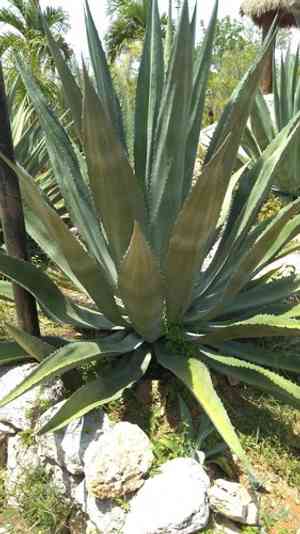
This enduring evergreen plant is recognized for its blade-like foliage and durable fibers. Essential trimming methods involve eliminating withered or compromised leaves and severing flower stems subsequent to their blossoming. The most effective time for pruning is in late winter or early spring, which fosters robust development and deters ailments. When tending to henequen, utilize protective handwear, as its sap may cause irritation and its leaf points are acute. Pruning boosts the plant's vitality and preserves an appealing form, which is vital for both fiber output and decorative purposes.
What Are the Benefits of Pruning Henequen?
What Are the Benefits of Pruning Henequen?
Trimming henequen encourages vigorous development and maintains a tidy shape. It allows energy to be redirected to healthier sections, ensuring henequen flourishes and appears well-maintained.
What Is the Best Time for Pruning Henequen?
What Is the Best Time for Pruning Henequen?
The optimal periods for trimming henequen are late winter and early spring. These times coincide with the plant's dormant phase when growth is slow or stopped, which reduces stress and promotes better healing of cuts. Pruning before new growth emerges enables the plant to channel its energy into producing fresh, healthy tissues once the growing season commences. Late winter pruning also allows gardeners to remove any damage from cold weather. By pruning in early spring, one can shape henequen before its active growth phase, typically in late spring and summer. This timing prevents disruption of flowering and fruiting cycles, as henequen is a perennial that may not flower annually but rather at maturity, and performing maintenance at the suggested intervals will promote its overall health and productivity.
What Tools Do I Need to Prune Henequen?
Long-Handled Loppers
Henequen's fibrous, tough leaves can be quite large, requiring a tool that offers sufficient reach and leverage. Long-handled loppers enable the gardener to cut through the sturdy leaves and stems while maintaining a safe distance.
Pruning Saw
For the most resilient parts of henequen, a sharp pruning saw can be employed. This is especially effective when needing to remove larger sections of the plant or to cut through particularly thick, woody stems that might be too challenging for loppers.
Thick Gardening Gloves
The sap and edges of henequen can irritate the skin. Thick gloves protect the hands while handling the plant and during the trimming process.
Safety Goggles
Henequen can release sap and fibers during pruning, which can be harmful to the eyes. Wearing safety goggles is a crucial safety measure to prevent any potential injury.
Sharp Pruning Shears
For smaller, more precise cuts or to remove any dead material, sharp pruning shears provide the necessary control to prune henequen without harming the plant.
How to Prune Henequen
Clean Tools
Sanitize pruning tools before beginning to prevent the spread of disease to henequen. Use a bleach or alcohol solution to wipe down the blades.
Inspect
Examine henequen carefully to identify diseased or withered leaves. Look for any discoloration, spots, or signs of decay that distinguish unhealthy leaves from healthy ones.
Remove Diseased Leaves
Carefully trim off diseased leaves at the base where they attach to the main stalk of henequen, ensuring not to damage the healthy surrounding tissue.
Remove Withered Leaves
Cut back withered leaves in the same manner, removing them at their base without harming the stalk or nearby healthy leaves of henequen.
Dispose
Dispose of the removed leaves properly, away from healthy plants to avoid any potential spread of disease or pests to henequen or other plants in the vicinity.
Common Pruning Mistakes with Henequen
Over Pruning
Removing too much foliage from henequen can stress the plant, weaken its structure, and potentially lead to reduced vigor or even death.
Improper Tool Use
Using dull or unsanitized pruning tools can lead to jagged cuts that are more susceptible to disease and pest infestations.
Pruning Active Growth
Trimming henequen during active growth periods can interrupt its development and reduce the plant's overall health and yield.
Ignoring Dead Material
Failing to remove dead or dying leaves and flower stalks can attract pests and diseases, hindering henequen's overall health.
Incorrect Cut Location
Cutting too close to the trunk or too far from the base of the leaf or flower stalk can adversely affect henequen's healing process and future growth.
Common Pruning Tips for Henequen
Use Sharp Tools
Ensure that pruning tools are sharp and clean to make precise cuts that will heal quickly and minimize the risk of disease transmission.
Prune Damaged Leaves
Regularly remove damaged or diseased leaves by cutting at the base to maintain henequen's health and appearance.
Protective Gear
Wear gloves and safety glasses to protect against henequen's fibrous leaves and sap, which can be irritating to skin and eyes.
Appropriate Cut Angle
Make cuts at a slight angle to prevent water accumulation, which could lead to rot or fungal infections.
Monitor Plant Health
Monitor henequen for signs of stress after pruning and adjust care practices accordingly to ensure recovery and proper growth.



