The Henequen Plant Advantage: Maximizing Home and Office Appeal and Wellness
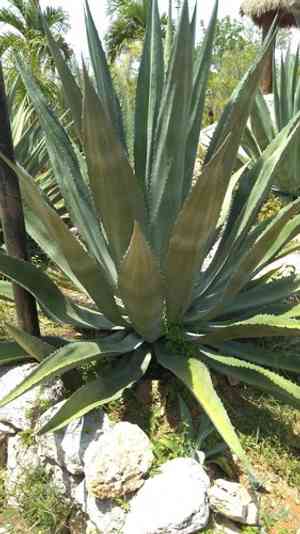
1
Henequen is recognized for its abundant fiber, making it a prized material for textile manufacturing.
2
This plant flourishes in dry environments, needing little water and upkeep.
3
Henequen has historically found application across diverse sectors, supporting eco-friendly methods.
How Does Henequen Support Sustainable Agriculture?
Drought Resistance
Henequen is remarkably suited for challenging environments, flourishing in areas with limited water. This drought-tolerant trait means these plants need minimal watering, making them an ideal choice for sustainable farming in dry and semi-dry regions. Growers can cultivate Henequen with less reliance on water, thus preserving vital water resources and lowering overall environmental impact.
Soil Health
Beyond its water efficiency, Henequen also benefits soil health. Its deep root system helps prevent soil erosion and promotes soil aeration, which aids other crops in rotation. By planting Henequen, farmers can maintain and even enhance soil structure and fertility, leading to improved yields and more resilient agricultural methods.
What Are the Industrial Uses of Henequen?
Textile Production
A primary use of Henequen is in textile manufacturing. The fibers extracted from this plant are strong, durable, and biodegradable, offering an eco-friendly substitute for synthetic fibers. Henequen textiles are used in various applications, including ropes, twine, and certain clothing types. This reduces dependence on non-renewable resources and minimizes the environmental footprint of textile production.
Biodegradable Products
Henequen fibers are vital not only for textiles but also for creating a wide array of biodegradable items. From eco-conscious packaging to sustainable building materials, Henequen's versatility makes it a valuable component in green manufacturing. These biodegradable products help reduce waste and can be recycled or decomposed, further promoting environmental sustainability.
How Can Henequen Improve Eco-friendly Practices?
Reduction in Carbon Footprint
A notable advantage of growing Henequen is its role in lowering the carbon footprint. The plant's ability to thrive in arid conditions means it doesn't require intensive agricultural inputs like fertilizers and pesticides. Furthermore, processing Henequen fibers results in fewer carbon emissions compared to synthetic material production. By integrating Henequen into various industries, we can move towards more carbon-neutral approaches.
Alternative to Non-renewable Resources
Henequen serves as a sustainable substitute for many non-renewable resources. For example, the plant's derivatives can replace certain plastic items, thereby decreasing reliance on petroleum-based materials. Additionally, bioethanol from Henequen is a renewable energy source, providing a cleaner and more sustainable fuel option.
How Does Henequen Support Economic Growth?
Job Creation
The cultivation and processing of Henequen generate significant employment opportunities, especially in rural and semi-rural areas. From farming to textile manufacturing, the entire Henequen production chain requires labor, thus supporting local economies and providing livelihoods for many families. The focus on sustainable and eco-friendly products also opens new markets, fostering innovation and development in green sectors.
Market Potential
The global market for sustainable and biodegradable products is expanding rapidly. As consumers become more environmentally aware, the demand for Henequen-derived products continues to increase. This growing market creates profitable opportunities for businesses and farmers involved in Henequen production and its derivatives, ultimately contributing to economic growth and sustainability.



