How to Propagate Henequen?
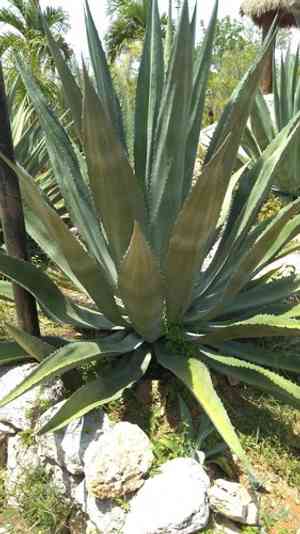
Agave fourcroydes is a resilient variety recognized for yielding fibers utilized across diverse sectors. This botanical specimen primarily reproduces via segmentation, which entails detaching the underground stems or offshoots from the primary specimen. When employing this technique, it is essential that each segment possesses at least one viable bud for successful development. Gently extract these portions, being mindful not to harm the root structures and growth nodes. Following separation, embed them in porous soil and supply sufficient moisture to facilitate robust root establishment.
Optimal Period for Henequen Propagation
Propagation Method
Splitting
Propagation Period
Spring,Autumn
Tools for Henequen Propagation
Sharp, Sterile Knife
Crucial for making clean cuts through the root system and rhizomes of henequen. A sharp blade ensures precise incisions, minimizing plant damage, which promotes quicker recovery and lowers disease risk.
Garden Spade or Fork
Utilized for loosening the soil around henequen prior to division. This tool aids in gently lifting the plant from the ground with minimal root damage, vital for maintaining plant health during propagation.
Gardening Gloves
Protects hands from the fibrous and potentially rough texture of henequen's leaves and roots, while also safeguarding the propagator from any sharp tools used in the process.
Rooting Hormone
Though not always essential, applying a rooting hormone to the cut surfaces of henequen's roots can enhance root development in new divisions, improving propagation success rates.
Watering Can with a Gentle Shower Head
Delivers soft, even watering that is critical after replanting henequen divisions. Gentle watering helps settle the soil around newly planted divisions without exposing roots or disturbing their placement.
Potting Soil or Garden Soil Amendment
Provides a nourishing environment for new divisions to establish. Specially formulated soil or amendments can improve drainage and aeration, benefiting root growth and overall plant health.
How to Propagate Henequen?
Propagation Type
Simple
Caring for Your Newly Propagated Henequen
Caring for Your Newly Propagated Henequen
Post-propagation, maintaining appropriate water levels and sun exposure is vital for henequen. Water plants moderately, only when the soil is completely dry. Excessive watering can cause root rot. Henequen thrives in full to partial sun, so ensure adequate light. As plants mature, gradually expose them to more direct sunlight to enhance growth stability. Minimal regular upkeep and pest/disease monitoring will help plants establish successfully.
Common Mistakes to Avoid When Propagating Henequen
Overwatering
Propagating henequen requires a delicate balance, especially regarding water. Excessive watering can lead to root rot and fungal infections, which are fatal to the plant's fragile root system during the early stages of propagation.
Improper Cutting Age
Using either very young or very old plant material for cuttings may hinder successful rooting. Cuttings from overly young shoots might lack sufficient reserves for rooting, while older material may have reduced vigor.
Inadequate Lighting
While henequen needs sunlight, propagating under excessively intense light can stress the plant, particularly in the initial phases. This can lead to scorching of young shoots and poor root development.
Tips For Propagating Henequen
Use Mature Leaves
Select mature, healthy leaves for propagation. These have accumulated more energy reserves that boost root formation. Ensure the leaf base is intact, as this increases the chances of successful rooting.
Adequate Moisture Control
Ensure the soil is moist but not waterlogged. Henequen is prone to root rot, so maintaining a balance where the substrate is damp but well-drained is essential. Utilize materials like perlite to enhance soil drainage.
Appropriate Sunlight Exposure
Place the propagating materials in bright, indirect light. Direct sunlight can be harmful, so opt for a location that receives filtered sunlight, which supports robust growth without the risk of burning the young plants.



