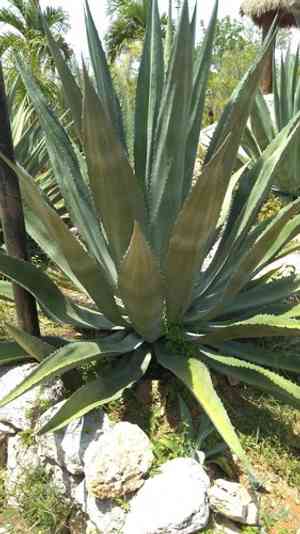
Henequen (Agave fourcroydes)
Also known as: Agave hennequin
Henequen (Agave fourcroydes Lem.) is a species of agave indigenous to the Yucatán Peninsula in southern Mexico and parts of Guatemala. It has also spread and become naturalized in regions such as Italy, the Canary Islands, Costa Rica, Cuba, Hispaniola, the Cayman Islands, and the Lesser Antilles.
In This Article
Attributes of Henequen
Lifespan
Perennial
Plant Type
Succulent
Plant Height
1.5-2.5 meters
Spread
3-4 meters
Leaf Color
Grey-green
Flower Size
Approximately 6-10 cm
Flower Color
Yellow-green
Images of Henequen
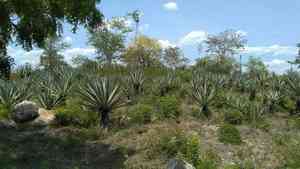
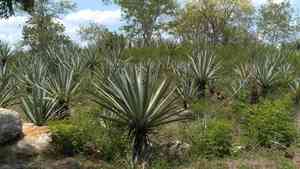
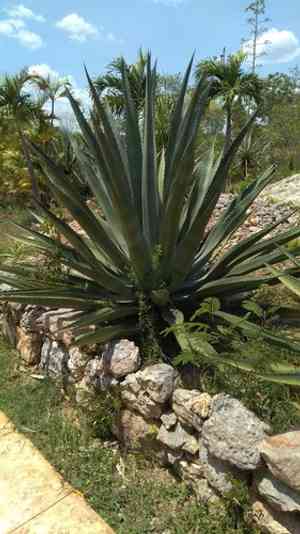
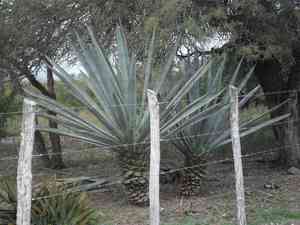
Quickly Identify Henequen
1
Identifying Agave fourcroydes involves looking for its thick, rigid, and fleshy leaves with spiny edges that grow in a rosette pattern. The leaves are fibrous and can reach up to 2 meters in length.
Scientific Classification of Henequen
Phylum
Vascular plants
Class
Monocotyledons
Order
Asparagales
Family
Asparagus
Genus
Agaves
Species
Henequen
Planting and Growing of Henequen
Care Difficulty
Easy
Watering Schedule
Every 2 days
Sunlight Requirements
Full sun
Sunshine Duration
6-10 hours
Ideal Temperature
75-85℉
Soil Type
Potting Mix, Peat Mix
Soil pH
6.5-7.5
Fertilizer Type
Balanced
Pruning Season
Spring, Summer
Pruning Area
Branches, Leaves
Pruning Frequency
2 times a year
Repotting Season
Spring
Pot Type
Ceramic, Plastic
 How to Water Henequen?
Agave fourcroydes thrives with infrequent but deep watering, approximately 250ml per session. The key is to mimic its arid native environment by allowing the soil to dry out completely between waterings. This approach prevents root rot and encourages healthy growth.
What are the symptoms of an underwatered Henequen?
›
What should I do if my Henequen is not getting enough water?
›
What are the symptoms of an overwatered Henequen?
›
How to save an overwatered Henequen?
›
 What Are the Sunlight Requirements for Henequen?
Agave fourcroydes flourishes in full to partial sun environments. Ideal light conditions promote vibrant leaf color, structural integrity, and strong growth while reducing pest susceptibility, ensuring a healthy and attractive plant.
What is the ideal sun exposure for Agave fourcroydes?
›
How can I achieve the ideal light condition?
›
What benefits does ideal light exposure provide?
›
 What Is the Ideal Temperature Range for Henequen?
The ideal temperature range for Agave fourcroydes is between 75°F and 85°F. This range provides optimal growing conditions that encourage healthy plant development and proper metabolic function. Consistency within this temperature range supports the plant's needs for photosynthesis and energy conversion.
 What Soil is Best for Henequen?
Agave fourcroydes thrives in soil with excellent drainage, such as sandy or sandy loam. This ensures that water doesn't accumulate around the roots, preventing root rot and allowing the plant to absorb necessary nutrients effectively. This plant prefers soils that are not overly rich in organic matter. Moderate nutrient content helps encourage robust growth and the development of its characteristic stiff, spiky leaves. Well-aerated soil is crucial for healthy root development in Agave fourcroydes. The porous nature of sandy soils facilitates air circulation within the root zone, which is essential for oxygen exchange and root health.
 How to Fertilize Henequen?
When fertilizing Agave fourcroydes, use a balanced fertilizer with an NPK ratio of 10-10-10, applying 1/4 strength of the recommended dosage to avoid over-fertilizing. This helps in achieving optimum growth while maintaining plant health.
 How to Prune Henequen?
Start by carefully cutting away any dead or damaged leaves at the base using a sharp, sterilized blade. This allows the plant to focus energy on new growth. If the agave is outgrowing its designated space, trim back some of the longer, healthy leaves to maintain shape and encourage neatness. Be cautious to avoid cutting the central rosette or main stem, as this could severely damage the plant and impede its ability to grow.
More About Pruning Techniques→
 How to Propagate Henequen plant?
1
Choose a healthy Agave fourcroydes plant with visible offsets or pups. Ensure that the plant is free from any visible signs of disease or pest infection before division or cutting.
2
Carefully remove the offsets by cutting them away from the parent plant using a sharp knife or shears. Be sure to take some roots along with the offset to increase their chances of survival.
3
Dip the cut end of the offset in rooting hormone. Allow it to dry for a few hours before planting it in well-drained soil. Water lightly to moisten the soil without soaking it.
 How to Repot Henequen plant?
1
Agave fourcroydes shows clear signals when it's time for repotting. Key indicators include roots growing out of the drainage holes, a visibly stunted growth, or when the plant becomes top-heavy. These are the tell-tale signs that the plant has outgrown its current container and is in need of more space to continue flourishing.
2
Select a pot that is slightly larger than the current one, typically about 2-3 inches wider in diameter. Ensure the pot has at least one drainage hole to prevent water from accumulating at the bottom, which can lead to root rot. A good choice of pot allows for airflow and drainage, supporting the plant's growth.
3
Opt for a well-draining cactus mix, which usually comprises sand, perlite, and potting soil. This soil type ensures that water does not linger around the roots, mimicking the plant's natural habitat where water is scarce and drains quickly. This mix supports healthy root aeration and nutrient uptake.
Toxicity
None
WARNING
The judgment on toxicity and danger is for reference only. We DO NOT GUARANTEE any accuracy of such judgment. Therefore, you SHALL NOT rely on such judgment. It is IMPORTANT TO SEEK PROFESSIONAL ADVICE in advance when necessary.
Learn More About Henequen Diseases
Anthracnose
Bacterial Leaf Spot
Bacterial Soft Rot
Bacterial Wilt
Crown Gall
Cyst Nematode
Damping-off
Drought Stress
Fusarium Wilt
Gray Mold
Leaf Spot
Mosaic
Nutrient Deficiency
Nutrient Toxicity
Powdery Mildew
Root Rot
Root-knot Nematode
Sooty Mold
Spider Mites
Temperature Stress
Thrips Damage
White Mold



