How to Propagate Cinnamon fern?
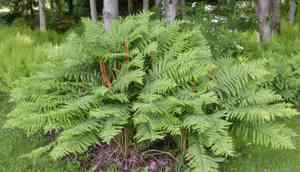
Cinnamon fern flourishes when multiplied in Spring and Autumn, utilizing division and spore propagation techniques. A moderate level of propagation challenge is anticipated, with indicators of success encompassing fresh development and root formation. Supplementary attention might be necessary.
Optimal Time for Cinnamon Fern Propagation
Propagation Method
Division
Propagation Period
Spring,Autumn
Tools for Cinnamon Fern Propagation
Sharp garden spade or knife
Crucial for separating the root clumps of cinnamon fern, a sharp spade or knife ensures clean cuts, minimizing harm and reducing plant stress. These cuts must be precise to preserve healthy roots, vital for new plant establishment.
Watering can with a gentle shower head
Cinnamon fern needs consistent moisture, especially after division, to aid root establishment. A watering can with a gentle shower head provides a soft water flow that won't disturb soil or new divisions, ensuring delicate roots get enough water without being dislodged.
Rooting hormone powder
Applying rooting hormone powder to the cut ends of divided roots can encourage faster root growth and healthier development in cinnamon fern. This helps new divisions establish a strong root system quickly, boosting propagation success.
Sterile potting mix
Using a sterile potting mix offers a clean, pathogen-free medium for potting new cinnamon fern divisions. A sterile medium promotes healthy root growth without the risk of soil-borne diseases, which can be harmful during the sensitive initial growth phase after division.
Plant labels and marker
Since cinnamon fern takes time to establish after division, proper labeling is important to track planting dates and other relevant information. This helps monitor progress and provide appropriate care during the acclimation period.
Caring for Your Newly Propagated Cinnamon Fern
Caring for Your Newly Propagated Cinnamon Fern
Keep the soil around cinnamon fern consistently moist, but avoid waterlogging. Mulch can be added to retain moisture and keep roots cool. During the first growing season, frequently check the plant for acclimation and adjust care as needed. Minimal fertilization is necessary, as cinnamon fern is not a heavy feeder.
Common Errors to Avoid When Propagating Cinnamon Fern
Overwatering
This can cause root rot, as cinnamon fern is sensitive to waterlogged conditions despite preferring moist soil. Root damage will hinder its ability to absorb nutrients, harming the plant's health.
Using poor draining soil
Poor draining soil leads to water accumulation around cinnamon fern's roots, which is detrimental because it requires well-drained soil to prevent root diseases.
Propagating from the wrong part
Cinnamon fern does not propagate well from leaf or stem cuttings, and attempting this can result in failure to root. This plant typically reproduces via spores or by dividing the rhizome.
Ignoring spore viability
Trying to propagate cinnamon fern from spores that are not viable or improperly harvested will lead to failure. It's crucial to use viable spores and understand their specific needs.
Excessive handling of spores and prothalli
Too much handling can damage the delicate spores and developing prothalli of cinnamon fern, resulting in a lower propagation success rate. They require a gentle touch and minimal disturbance.
Tips for Propagating Cinnamon Fern
Rhizome division
Use a sharp knife to cut the rhizome, ensuring each section has at least one frond and part of the root system. This method generally yields the best success rate for propagating cinnamon fern.
Spore collection and sowing
Gather spores from mature cinnamon fern fronds when they are brownish-green. Sow them on a surface of moist, sterile potting mix, and keep them in a humid environment to encourage germination.
Providing consistent moisture
Maintain steady moisture levels in the soil to prevent drying out, but ensure it's well-drained to avoid root rot. Cinnamon fern thrives in moist conditions.
Gentle handling
Handle spores and prothalli with care to prevent damage that can hinder growth. Use a sterilized tool and try to minimize direct contact.
Appropriate light conditions
Provide indirect light or shade for cinnamon fern, as it does not tolerate direct sunlight well. This will allow for healthy growth without causing stress to the plant.



