Enhancing Your Garden Design with the Cinnamon fern Plant: A Landscaping Guide
1
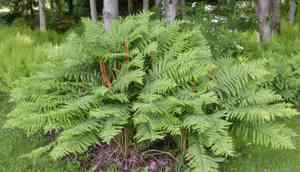
Cinnamon fern flourishes in areas with partial shade and damp earth, ideal for forest-like gardens.
2
Arrange Cinnamon fern in groups to achieve a natural appearance, mirroring its native growth pattern.
3
Cinnamon fern benefits local fauna, offering shelter and sustenance to various insects and avian species.
Introducing Cinnamon Fern for Landscape Use
Understanding Cinnamon fern's aesthetic appeal
Cinnamon fern provides a rich, delicate texture, bringing grace and calm to any garden. Its fronds, transitioning from vivid green in warmer months to deep cinnamon in autumn, offer continuous visual interest. This plant is ideal for achieving a soft, natural aesthetic, balancing more rigid or structured garden designs.
Cinnamon fern's adaptability across various garden styles
Cinnamon fern is highly adaptable, fitting well into diverse landscape designs, from classic to contemporary. In informal gardens, it enhances the organic, flowing feel. For structured gardens, it offers textural contrast to elements like hedges and paths. Permaculture enthusiasts value its ability to thrive in less-than-ideal soil, making it a robust and versatile choice for many garden setups.
Designing Your Garden with Cinnamon Fern
Evaluating site and soil suitability for Cinnamon fern
Prior to planting Cinnamon fern, it's essential to assess the garden area and soil compatibility. Cinnamon fern prefers damp, well-drained soil and flourishes in partial shade. Perform a soil test to confirm appropriate pH levels, ideally slightly acidic to neutral. Consider the plant's mature size, ensuring ample room for growth without crowding other plants.
Design principles: Optimal placement for Cinnamon fern's impact
Place Cinnamon fern where its unique fronds can be fully appreciated. It serves well as a background for flowering plants or as an underplanting beneath larger trees and shrubs. Positioning it near water features, such as ponds or streams, mimics its natural habitat and enhances the garden's overall mood. Utilize Cinnamon fern to define borders or pathways, guiding the eye and creating a unified design.
Pairing Cinnamon fern with other plants: Compatible species
Cinnamon fern complements other shade-loving plants like hostas, astilbes, and hydrangeas. These pairings create a lush, multi-layered look with varied heights and textures. Consider the bloom times and leaf colors of companion plants to ensure continuous beauty throughout the seasons. Mosses and ground covers such as ferns and wild ginger also enhance Cinnamon fern, forming a rich, green tapestry in shaded garden areas.
Ensuring Year-Round Beauty with Cinnamon Fern
Seasons when Cinnamon fern is most striking
Cinnamon fern is most impressive in spring and summer when its fronds are fresh and vibrant. In autumn, the plant's fertile fronds adopt a striking cinnamon hue, providing a captivating display. Although it goes dormant in winter, the dried fronds can add a textured element to the garden if left in place. Winter mulching can help protect the plant and prepare it for vigorous regrowth in spring.
Maintaining visual appeal during dormant periods
Even when Cinnamon fern is not at its peak, it can still contribute to the garden's visual interest. Leave the dried fronds through winter for a rustic appearance. In early spring, new fronds emerge, symbolizing the garden's renewal. To maintain year-round appeal, interplant Cinnamon fern with evergreen shrubs or winter-blooming plants that can fill the visual gap during its dormancy.
Ecological Benefits of Incorporating Cinnamon Fern
Contributions to local ecosystems and biodiversity
Adding Cinnamon fern to your garden significantly benefits the local ecosystem. It provides habitat for various insects and small animals, promoting biodiversity. Its deep roots aid in soil stabilization, reducing erosion in sloped or shaded areas. By planting Cinnamon fern, you support a healthy, interconnected garden environment.
How Cinnamon fern supports native wildlife
Cinnamon fern plays a vital role in supporting native wildlife. Its fronds offer shelter for insects, while the plant itself can be a food source for some animals. Birds may use the fronds for nesting material, and the plant can attract beneficial insects that assist in pollination and pest control. Overall, Cinnamon fern enhances the natural balance and health of your garden.
Case Studies: Successful Landscaping Projects Featuring Cinnamon Fern
Residential garden transformations using Cinnamon fern
One inspiring example is a suburban backyard revitalized with Cinnamon fern as a central feature. Homeowners used it to create a lush, peaceful sanctuary, combining it with hostas and ferns to fill shaded spots. The resulting garden was not only visually stunning but also low maintenance and eco-friendly.
Public spaces and community parks integrating Cinnamon fern
In public areas, Cinnamon fern has been successfully incorporated into parks and community gardens to create serene, inviting settings. For instance, a city park used Cinnamon fern along its shaded walking paths, providing a natural, calming atmosphere for visitors. The ferns helped reduce soil erosion and boosted the park's biodiversity, making it a favorite spot for nature enthusiasts and educational programs.



