
Cinnamon fern (Osmundastrum cinnamomeum)
Also known as: Fiddleheads
The fern you're looking for is the **cinnamon fern (Osmundastrum cinnamomeum)**. This species is native to regions in Asia, North America, and South America, and it thrives in moist habitats such as swamps, bogs, and wet forests. Known for its striking green fronds and hardy nature, it is a popular choice for ornamental planting along pond edges, riverbanks, and other damp areas in gardens.
In This Article
Attributes of Cinnamon fern
Lifespan
Perennial
Plant Type
Fern
Plant Height
1.2 m to 1.8 m
Spread
60 cm to 90 cm
Leaf Color
Green Yellow Gold Brown
Flower Size
N/A
Flower Color
N/A
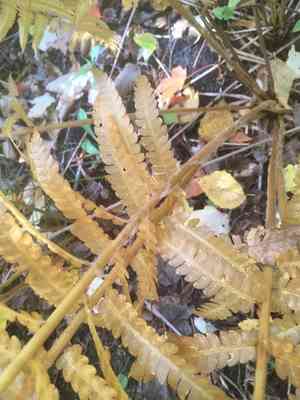
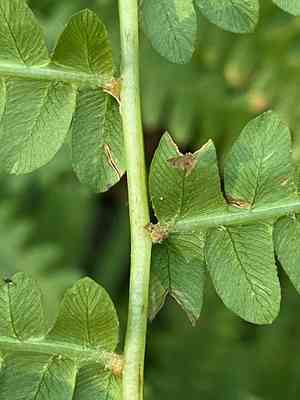
Images of Cinnamon fern


Quickly Identify Cinnamon fern
1
Lanceolate, pinnate-pinnatifid sterile fronds with rusty hairs beneath pinnae.
2
Distinctive 'fiddleheads' at the plant's base unfurl into sizable, erect fronds.
3
Cinnamon-colored fibers near the bases of the fertile fronds in early spring.
4
Circular clusters of arching, bright green, lacy fronds emerge in spring.
5
Height can reach 6 feet (180 cm) in moist conditions, forming clumps.
Scientific Classification of Cinnamon fern
Phylum
Vascular plants
Class
Ferns
Order
Osmundales
Family
Royal fern
Genus
Osmundastrum
Species
Cinnamon fern
Planting and Growing of Cinnamon fern
Care Difficulty
Easy
Watering Schedule
Every 3 days
Sunlight Requirements
Partial sun
Sunshine Duration
6-10 hours
Ideal Temperature
55-80℉
Soil Type
Potting Mix, Peat Mix
Soil pH
4-6
Fertilizer Type
Balanced
Pruning Season
Spring, Summer
Pruning Area
Branches, Leaves
Pruning Frequency
2 times a year
Repotting Season
Spring
Pot Type
Plastic, Ceramic
 How to Water Cinnamon fern?
For Osmundastrum cinnamomeum, the watering amount should be enough to thoroughly moisten the soil, promoting healthy root growth. Typically, 500 mL is adequate, ensuring that the soil feels damp but not waterlogged. It supports the plant's natural preference for moist soil conditions without leading to rot.
What are the symptoms of an underwatered Cinnamon fern?
›
What should I do if my Cinnamon fern is not getting enough water?
›
What are the symptoms of an overwatered Cinnamon fern?
›
How to save an overwatered Cinnamon fern?
›
 What Are the Sunlight Requirements for Cinnamon fern?
Partial sun conditions, providing 4 to 6 hours of indirect light, suit the plant best. This balances sufficient light for photosynthesis and prevents heat stress, promoting healthy foliage and resilience.
More About Sunlight Requirements Techniques→
What is optimal light exposure for Osmundastrum cinnamomeum?
›
How can you achieve ideal lighting for this plant in a home garden?
›
What benefits does ideal lighting provide for the plant?
›
 What Is the Ideal Temperature Range for Cinnamon fern?
The ideal temperature range for Osmundastrum cinnamomeum is between 55°F to 80°F. This range offers the best conditions for growth and ensures optimal biological processes. Staying within this range helps maintain the plant's moisture levels and prevents stress from temperature fluctuations.
 What Soil is Best for Cinnamon fern?
Osmundastrum cinnamomeum thrives in moist soil, which emulates its natural swampy habitat. Constant moisture helps maintain its vibrant fronds, preventing wilting and promoting lush growth. This plant benefits greatly from soil rich in organic matter. Such soil not only provides essential nutrients but also enhances moisture retention and drainage, ensuring the roots remain hydrated yet aerated. Osmundastrum cinnamomeum prefers acidic soils that mimic its native woodland environment. Acidic conditions are crucial for nutrient uptake, fostering healthy fern development and resilience.
More About Soil→
 How to Fertilize Cinnamon fern?
The amount of fertilizer for Osmundastrum cinnamomeum should be moderate. Use a balanced liquid fertilizer diluted to half its strength. Apply around 1-2 tablespoons of slow-release fertilizer per square foot annually. Avoid over-fertilizing to prevent root damage.
 How to Prune Cinnamon fern?
Begin by using clean, sharp scissors or pruners to cut away any fronds that have turned brown or show signs of damage. Focus on the outermost fronds first, gently pruning them back to the base of the plant. This will help open up the center of the fern and improve air circulation, reducing the risk of disease. It may also stimulate new growth, giving the plant a fuller appearance.
More About Pruning Techniques→
 How to Propagate Cinnamon fern plant?
1
Collect spores from the mature Osmundastrum cinnamomeum fronds. Allow them to dry, then sprinkle on a moist seed-starting mix in a seed tray.
2
To divide, carefully dig up the plant in early spring, separate rhizomes, and replant in prepared holes. Ensure each division has roots and shoots.
3
Once seedlings are large enough to handle, transplant them to individual pots, ensuring they have enough space for growth.
 How to Repot Cinnamon fern plant?
1
Look for signals such as reduced growth, compacted roots or roots protruding from the pot's drainage holes. These signs indicate it's time to give your Osmundastrum cinnamomeum some fresh space and soil. Spring or early autumn are ideal times as the plant is either emerging from dormancy or preparing for it.
2
Select a pot slightly larger than the current one with good drainage holes. A slightly larger pot prevents waterlogging and root rot while allowing sufficient space for root expansion. The material should be breathable like terracotta to help keep the root system healthy.
3
Use a mixture of rich organic matter to provide nutrients, with good moisture-retention properties and slight acidity to replicate the plant's natural habitat. This ensures adequate aeration and drainage, helping the plant maintain a balanced growth.



