How to Overwinter Cinnamon fern
1
Cinnamon fern is resilient and withstands low temperatures effectively, yet it still requires some defense against winter conditions.
2
Applying mulch around the fern's base can greatly lessen the effects of freezing temperatures.
3
Consistent observation throughout winter allows for quick intervention if problems occur, maintaining your Cinnamon fern's well-being.
Understanding the Cinnamon fern's Hardiness
Understanding the Cinnamon fern's Hardiness
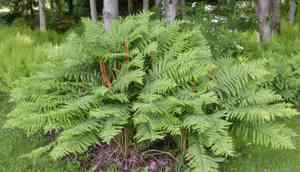
The Cinnamon fern (Osmundastrum cinnamomeum) is a robust plant that flourishes in diverse climates. It possesses natural resilience, meaning it can endure cold temperatures. However, despite its toughness, providing additional care during colder months can maintain its prime condition. The fern's hardiness is especially beneficial if you reside in areas experiencing severe winters. Proper preparation can significantly impact its health and vibrancy, guaranteeing a lush display in spring.
Preparing the Cinnamon fern for Winter
When to Start Preparing for Winter
It is essential to begin preparing your Cinnamon fern for winter well in advance. Aim to commence winterizing efforts in late autumn, around October or November, depending on your local climate. Early preparation allows the plant time to adapt and ensures it's well-protected before the initial frost arrives. Monitor weather forecasts and start preparations when nighttime temperatures consistently fall below 10°C (50°F).
Essential Tools and Materials
To effectively prepare your Cinnamon fern for winter, gather the following tools and materials: Pruning shears Mulch (such as straw, wood chips, or compost) Burlap or frost cloths Stakes or supports for insulation materials These items will assist you in efficiently safeguarding your fern from winter elements, ensuring it remains healthy and vibrant.
Pruning the Cinnamon fern
Pruning is a crucial step in readying your Cinnamon fern for winter. Remove dead or damaged fronds using clean, sharp pruning shears. This practice not only helps prevent disease but also encourages new growth in the spring. Be careful not to cut into the fern's crown, as this is where new fronds will emerge. After pruning, ensure the area around the base is clean and free from debris to prevent pests and allow for proper mulching.
Protecting Cinnamon fern from Frost and Cold
Mulching Techniques for Ground Protection
Mulching is vital for shielding your Cinnamon fern from frost. Apply a thick layer of mulch around the plant's base, completely covering the roots. Use materials like straw, wood chips, or compost, aiming for a depth of about 5-8 cm (2-3 inches). Mulch acts as an insulating layer, helping to regulate soil temperature and moisture levels. It also prevents the soil from freezing and thawing cycles that can harm the plant's roots.
Covering and Insulating the Fern
For enhanced protection, consider covering your Cinnamon fern. Use burlap or frost cloths to wrap the plant, especially if heavy frost or snow is expected. Secure the coverings with stakes or supports to prevent them from being blown away. Ensure the coverings are loose enough to allow for airflow while still providing insulation against the cold. This method helps shield the fern from extreme temperatures and harsh winter winds, reducing the risk of frost damage.
Indoor Care for Potted Cinnamon ferns
Optimal Indoor Conditions
If you have potted Cinnamon ferns, relocating them indoors during winter is advisable. Place the fern in a room with bright, indirect sunlight and maintain a temperature range of 15-21°C (59-70°F). Avoid positioning the plant near drafts or heating vents, as sudden temperature changes can stress the fern. Ensuring stable indoor conditions will help the fern adapt to its new environment and sustain its health through the winter.
Watering and Humidity Considerations
Indoor Cinnamon ferns still require regular watering, but the frequency should be reduced during winter. Water the plant when the top 2-3 cm (1 inch) of the soil feels dry. Overwatering can lead to root rot, so monitor the soil's moisture levels closely. Additionally, maintain a humidity level of around 50%. Use a humidifier or place the pot on a tray of water with pebbles to increase humidity. This practice mimics the fern's natural environment and ensures it receives adequate moisture.
Monitoring the Cinnamon fern Throughout Winter
Regular Inspections and Maintenance
Consistent monitoring of your Cinnamon fern during winter is crucial. Regularly check the plant for signs of stress, such as discoloration or wilting. Inspect the mulch and covering materials to ensure they remain intact and effective. By identifying and addressing issues early, you can prevent minor problems from escalating and keep your fern in the best possible condition.
Addressing Potential Issues Promptly
If you observe any issues, such as pests or disease, take prompt action to address them. Remove any affected fronds and apply appropriate treatments as needed. For pest control, use organic or chemical solutions suitable for ferns. If the plant shows signs of fungal infections, reduce watering and ensure proper airflow around the fern. Quick intervention helps maintain the fern's health and prevents long-term damage.



