How to Overwinter House holly fern
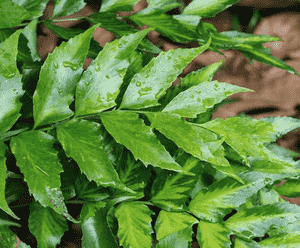
1
The House holly fern exhibits greater frost tolerance compared to numerous other ferns, establishing it as a robust option for the colder seasons.
2
Sustaining adequate humidity levels is vital for the House holly fern throughout winter to avoid the shedding of leaves.
3
Promoting effective air movement helps avert fungal problems such as mold, which flourish in chilly and moist environments.
Why Overwinter House holly fern?
Why Overwinter House holly fern?
As an appealing and fairly resilient fern, the House holly fern can enhance your indoor plant collection even during the cold winter months. Overwintering this plant ensures its survival through colder seasons and promotes vigorous growth in spring. By providing proper care, you can maintain its health, prevent winter damage, and keep it vibrant all year.
Ideal Conditions for Overwintering House holly fern
Temperature Requirements
The House holly fern thrives in cooler temperatures compared to other ferns. Aim to keep the indoor temperature between 13°C to 18°C (55°F to 65°F) during winter. Avoid placing the fern near drafty windows or vents, as sudden temperature changes can stress the plant.
Humidity and Air Circulation
Humidity levels are crucial for the House holly fern. Aim to maintain a humidity level of around 50-60%. You can achieve this by misting the plant regularly or using a humidifier. Ensure good air circulation to prevent mold and mildew. Placing the fern in a well-ventilated room helps, but avoid placing it in direct drafts.
Light Conditions
During winter, provide your House holly fern with bright, indirect light. While it can tolerate lower light conditions, a window with filtered sunlight is ideal. If natural light is insufficient, consider using a grow light for about 8-12 hours a day to ensure the plant gets adequate lighting.
Preparing House holly fern for Overwintering
Pruning and Cleaning
Before bringing the House holly fern indoors for the winter, remove any dead or yellowing fronds. Prune the plant lightly to maintain its shape and encourage new growth in the spring. Clean the fronds gently with a damp cloth to remove any dust or pests that might have settled on the leaves.
Pest and Disease Check
Thoroughly inspect your fern for signs of pests such as spider mites, aphids, or scale. Use a mild insecticidal soap if needed. Ensuring your plant is pest-free before moving it indoors reduces the risk of infestations spreading to other houseplants.
Soil and Fertilization Adjustments
Check the soil conditionâif it's compacted, you might need to repot the fern with fresh, well-draining soil. Slow down on fertilization during winter. Too much fertilization can lead to nutrient build-up and harm the plant. Instead, use a balanced, water-soluble fertilizer sparingly, about once a month.
How to Maintain House holly fern During Winter?
Watering Schedule
Adjust your watering schedule for the winter months. Instead of frequent watering, allow the top 2-3 cm (1 inch) of soil to dry out between waterings. Overwatering can lead to root rot, a common problem in winter due to cooler temperatures and reduced evaporation.
Monitoring for Stress Signs
Keep an eye on your fern for signs of stress, such as browning tips or drooping fronds. If the humidity is too low, you might notice the fern's leaves drying out. Address any issues promptly to keep your fern healthy and thriving.
Supplemental Lighting
With shorter days and less natural light in winter, you might need to supplement with artificial lighting. Use a grow light to provide your fern with the necessary light it needs to photosynthesize effectively. Position the light about 30 to 45 cm (12-18 inches) away from the plant and keep it on for 8-12 hours daily.
Common Mistakes and How to Avoid Them
Overwatering
One of the most common mistakes is overwatering. Since water evaporates more slowly in winter, always check the soil moisture before watering. Waterlogged soil can lead to root rot, which is detrimental to the House holly fern.
Underestimating Light Needs
Even though ferns are generally considered low-light plants, the House holly fern still requires sufficient light, especially in winter. Don't underestimate its light needs. Ensure it gets enough indirect sunlight or supplement with grow lights.
Ignoring Pests
Neglecting to check for pests can lead to infestations, especially in the cozy environment of your home. Regularly inspect and clean your fern to keep it pest-free. If you discover pests, treat them promptly to prevent them from spreading.



