The House holly fern Plant Advantage: Maximizing Home and Office Appeal and Wellness
1
The house holly fern flourishes in dim light, making it an ideal choice for interior environments.
2
This plant is recognized for its ability to cleanse the air, boosting the quality of indoor air.
3
Its distinctive leaves contribute to its beauty, elevating your home's aesthetic appeal.
Why Opt for House Holly Fern in Your Indoor Garden?
Flourishes in Dimly Lit Environments
House holly fern is a superb selection for individuals with areas lacking ample natural illumination. Unlike numerous other indoor plants that demand direct sunlight, House holly fern prospers in low to moderate light conditions. This enables placement in parts of your residence that may not receive much sun, such as restrooms, corridors, or offices. Its adaptability to diverse lighting scenarios makes it an ideal plant for interior settings.
Air Purification Capabilities
A significant advantage of House holly fern is its capacity to cleanse indoor air. Ferns, generally, are recognized for their air-purifying traits, and House holly fern is no different. It aids in eliminating prevalent indoor pollutants like formaldehyde, xylene, and toluene from the atmosphere, fostering a healthier home and enhancing your well-being. Incorporating this fern into your indoor space can lead to cleaner, fresher air and an improved living environment.
Visual Appeal
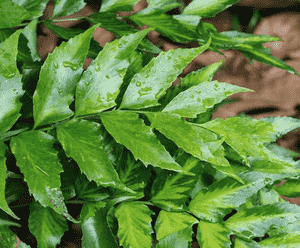
From an aesthetic perspective, House holly fern introduces a touch of sophistication and verdure to any location. Its distinct fronds, resembling holly leaves, create a singular and fashionable appearance that can complement various interior design aesthetics. Whether positioned in a pot on a windowsill, suspended in a basket, or integrated into a larger indoor garden arrangement, House holly fern can significantly elevate your home's visual charm.
Minimal Upkeep
Another compelling justification for choosing House holly fern is its undemanding nature. This resilient fern does not necessitate excessive irrigation or attention, making it suitable for both beginner gardeners and busy individuals. Consistent misting and keeping the soil moist, but not saturated, will suffice for its care. Its hardiness and easy-care requirements mean that anyone can relish the beauty and advantages of House holly fern without dedicating substantial time or effort.
Caring for Your House Holly Fern
Ideal Soil and Container Recommendations
House holly fern prefers well-draining soil that can retain some moisture while preventing root decay. A suitable mixture would be standard potting soil combined with peat moss or perlite to improve drainage. When potting your House holly fern, select a container with sufficient drainage holes to ensure surplus water can easily exit. This prevents overwatering and encourages robust root development.
Watering and Humidity Requirements
While House holly fern is relatively low-maintenance, it does have specific watering needs. It thrives in consistently damp soil but can suffer if overwatered. The key is to water it thoroughly when the top inch of the soil feels dry to the touch and ensure proper drainage. Additionally, ferns, including House holly fern, appreciate a humid atmosphere. Regular misting and placing a humidifier nearby can help maintain the necessary humidity levels, especially during arid winter months.
Optimal Light Conditions
As previously stated, House holly fern flourishes in low to moderate light conditions. It is best to avoid placing it in direct sunlight, as excessive sun can scorch the fronds. Instead, position it in a spot where it receives bright, indirect light. A north or east-facing window is ideal for providing the correct amount of light without causing harm. If natural light is limited, consider utilizing artificial grow lights to supplement its lighting needs.
Fertilization and Trimming
To preserve the health and vitality of your House holly fern, occasional fertilization is beneficial. Use a balanced, water-soluble fertilizer once a month during the active growth period (spring and summer). Reduce the frequency during autumn and winter when the plant's growth slows. Pruning is another crucial aspect of care; remove any yellow or dead fronds to stimulate new growth and maintain the plant's overall appearance. Regular grooming keeps your House holly fern looking its best and promotes a neat, lush display.
Common Problems and Their Solutions
Pests
Although House holly fern is relatively pest-resistant, it can occasionally be affected by common houseplant pests such as spider mites, mealybugs, and scale. Regularly inspecting your fern for signs of infestation and treating it promptly with insecticidal soap or neem oil can effectively manage these issues. Keeping the plant clean by wiping its fronds with a damp cloth can also help deter pests.
Excessive Watering
Overwatering is a frequent problem with House holly fern, often leading to root rot. To prevent this, always check the soil moisture before watering and ensure proper drainage. If you notice yellowing leaves or a musty odor, it might indicate overwatering. Repotting the fern in fresh, well-draining soil can help resolve this issue and save your plant.
Leaf Discoloration
Leaf browning or tips turning brown on House holly fern can be caused by several factors: low humidity, insufficient watering, or excessively dry air. Increasing humidity around the plant through regular misting or using a humidifier can help alleviate this problem. Ensuring consistent, adequate watering and avoiding placing the fern near heating vents or drafts will also help maintain its healthy foliage.



