Enhancing Your Garden Design with the House holly fern Plant: A Landscaping Guide
1
The House holly fern flourishes in both low-light and partially shaded environments, making it adaptable for various garden layouts.
2
Consistent, moderate irrigation will maintain your House holly fern's healthy and lively appearance year-round.
3
Prevent House holly fern from becoming too dense to guarantee ample room for its growth and distinct foliage display.
Why Opt for House Holly Fern in Your Outdoor Space?
Resilient and Adaptable Qualities of House Holly Fern
House holly fern is renowned for its tough and versatile characteristics, making it an excellent selection for diverse environments. Whether you possess a shaded patio or a partially shaded garden nook, House holly fern will flourish with minimal effort. It resists many common pests and diseases, meaning less upkeep and more time enjoying your beautiful garden. Its tolerance for various soil types further enhances its suitability for different garden settings.
Visual Allure of House Holly Fern in Various Settings
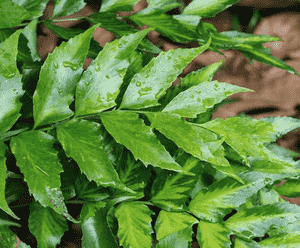
The distinctive, glossy leaves of House holly fern add a unique aesthetic appeal to any landscape. Its deep green hue and unusual leaf shape make it a striking plant that complements both contemporary and classic garden designs. Whether utilized as a focal point in a garden bed or an accent in a larger planting scheme, House holly fern introduces texture and interest, enhancing the overall beauty of your outdoor area.
Ecological Advantages of Incorporating House Holly Fern in Landscaping
Integrating House holly fern into your landscape offers several environmental benefits. This plant aids in improving air quality by filtering pollutants and generating oxygen. Furthermore, House holly fern supports soil health through its natural ground-covering properties, which reduce soil erosion. It also provides refuge for beneficial insects and small wildlife, contributing to a more balanced local ecosystem.
Optimal Placement for House Holly Fern in Your Landscape
Identifying Prime Locations: Light and Spatial Considerations
When selecting a spot for House holly fern in your garden, light and space are critical factors. This plant favors shaded to partially shaded areas. Full, direct sunlight can scorch its delicate fronds. Ensure ample room for House holly fern to expand comfortably, preventing overcrowding, which can lead to poor air circulation and increased vulnerability to disease.
Companion Plants: Cultivating a Harmonious Appearance
Pairing House holly fern with appropriate companion plants can create a cohesive and attractive garden. Consider plants with contrasting textures and colors, such as other ferns, hostas, or shade-loving perennials. This diversity not only boosts visual interest but also ensures a more dynamic and sustainable garden environment. Aim for a balanced mix, allowing each plant species to display its unique charm without overshadowing others.
House Holly Fern's Contribution to Thematic Landscaping
Modern and Minimalist Design Themes
House holly fern integrates seamlessly into modern and minimalist garden designs due to its simple yet striking appearance. Its elegant fronds offer a sleek, clean look that complements contemporary outdoor spaces. Use it to add a touch of greenery to modern architectural elements or as a subtle backdrop that enhances the sharp lines and uncluttered aesthetic of a minimalist garden.
Traditional and Woodland Design Themes
In more traditional or woodland-themed landscapes, House holly fern imparts a sense of natural beauty and serenity. Its rich green foliage blends well with other shade-loving plants, creating a lush, forest-like ambiance. Utilize House holly fern in shaded borders, beneath trees, or along pathways to establish a tranquil and inviting space reminiscent of a woodland retreat.
Caring for House Holly Fern in Your Landscape
Seasonal Care Recommendations
To maintain House holly fern in peak condition throughout the year, some seasonal care is essential. In spring, prune away any dead or damaged fronds to encourage new growth. During summer, ensure the soil remains moist but not waterlogged, and periodically check for pests. In colder months, shield House holly fern from frost by mulching around its base or bringing potted plants indoors.
Long-Term Vigor and Aesthetic Appeal
For sustained health, House holly fern benefits from occasional feeding with a balanced, slow-release fertilizer. Regularly monitor the soil pH and adjust if necessary to maintain an acidic to neutral range, as this promotes robust growth. Pruning dead fronds and keeping the plant free of debris can also help prevent disease and preserve its aesthetic vitality.
Common Errors to Avoid with House Holly Fern in Landscaping
Overcrowding and Incorrect Placement Issues
A frequent error is overcrowding House holly fern with other plants or situating it in an unsuitable spot. Ensure each plant has sufficient room to grow and isn't competing for resources. Avoid placing House holly fern in direct sunlight or overly windy areas, as these conditions can cause stress and impede its development.
Watering Mistakes and Soil Neglect
Another common oversight involves improper watering and neglecting soil conditions. House holly fern prefers consistently moist soil, but excessive watering can lead to root rot, while insufficient watering can cause its fronds to wilt. Regularly check soil moisture and ensure good drainage to prevent these problems. Additionally, maintaining nutrient-rich soil with occasional organic matter can support the plant's health.



