The Purple dew-plant Plant Advantage: Maximizing Home and Office Appeal and Wellness
1
The purple dew-plant tolerates dry conditions exceptionally well, making it ideal for arid climates.
2
This robust plant is recognized for its ability to stabilize soil, helping to prevent erosion.
3
Purple dew-plant serves as a crucial resource for local wildlife, offering necessary sustenance and shelter.
What Are the Environmental Benefits of Purple dew-plant?
Drought Resistance
Purple dew-plant is exceptionally well-suited to flourish in arid conditions. Its succulent foliage has evolved to store water efficiently, enabling it to endure extended periods without precipitation. This characteristic makes it a valuable plant for water-wise landscaping and gardening in dry and semi-dry environments.
Erosion Control
One of the primary ecological advantages of Purple dew-plant is its function in stabilizing earth. Its robust root network helps to secure the soil, lessening the risk of erosion caused by wind and water. This makes it especially useful in areas prone to soil degradation and helps maintain the integrity of the landscape.
How Does Purple dew-plant Support Local Wildlife?
Habitat Provision
Purple dew-plant provides a dwelling for various animal species. Its dense growth often offers refuge for small creatures and insects, contributing to biodiversity in the region. Many avian species are also known to utilize Purple dew-plant for nesting purposes.
Food Source
The plant serves as a vital food supply for numerous animals. Its leaves and blossoms are consumed by herbivores, while its nectar attracts pollinators such as bees and butterflies. This interaction not only supports wildlife but also promotes pollination and the health of surrounding plant communities.
Can Purple dew-plant Be Used in Landscaping?
Aesthetic Appeal
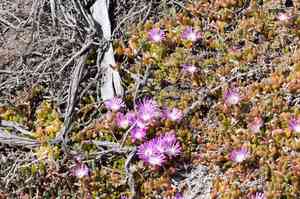
Purple dew-plant is valued for its striking appearance. With vibrant, purplish-pink blooms and lush green foliage, it adds a burst of color and texture to any garden. It can be employed as ground cover or as part of mixed plantings to create visually pleasing landscapes.
Low Maintenance Needs
This plant requires minimal upkeep, making it ideal for those seeking an easy-care garden. Once established, Purple dew-plant needs very little water and no specific soil conditions. Its resistance to pests and diseases further reduces the need for chemical interventions, fostering a healthier garden environment.
What Are the Benefits of Purple dew-plant for Soil Health?
Improving Soil Structure
The extensive root system of Purple dew-plant not only anchors the soil but also enhances its composition. The roots create pathways that improve aeration and water penetration, promoting healthier soil. This can be particularly advantageous in areas with compacted or degraded soils.
Adding Organic Matter
As parts of Purple dew-plant naturally decay, they introduce organic material to the soil. This organic content boosts soil fertility, supporting the growth of other plants and contributing to a more robust ecosystem. The gradual decomposition of fallen leaves and flowers enriches the soil with nutrients, fostering an environment conducive to plant health.
Is Purple dew-plant Suitable for Coastal Areas?
Salt Tolerance
Purple dew-plant is highly tolerant of saline conditions, making it an excellent choice for coastal regions. It can thrive in sandy, salty soils where many other plants would fail. This tolerance allows it to play a crucial role in the stabilization and regeneration of coastal ecosystems.
Protecting Shorelines
The plant's root system helps bind sand and soil in coastal areas, safeguarding shorelines from erosion caused by waves and wind. By stabilizing dune systems and promoting the growth of other coastal plants, Purple dew-plant contributes to the resilience of coastal ecosystems against environmental stresses.



