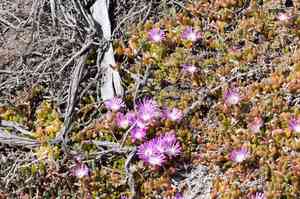
Purple dew-plant (Disphyma crassifolium)
Also known as: Roundleaf Pigface, Noon-Flower, Iceplant
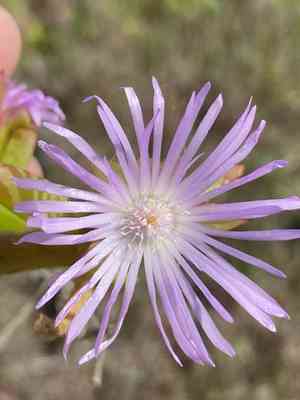
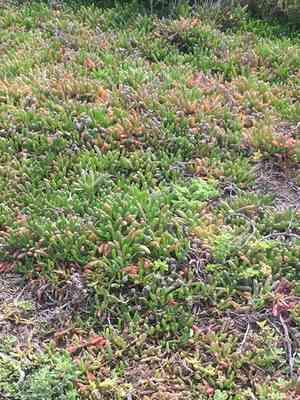
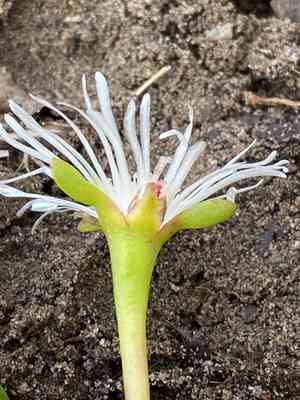
This plant typically manifests as a low-lying, succulent shrub or an annual herb, reaching heights of 2 to 30 centimeters. Its leaves are uniquely cylindrical, differing from other similar species. The flowers usually display hues of pink, purple, or violet, contributing to its distinctive appearance.
In This Article
Attributes of Purple dew-plant
Lifespan
Perennial
Plant Type
Herb
Plant Height
Up to 10 cm
Spread
Spreads up to 1.5 meters
Leaf Color
Green or reddish
Flower Size
1-3 cm
Flower Color
White, pink, or purple
Images of Purple dew-plant
Quickly Identify Purple dew-plant
1
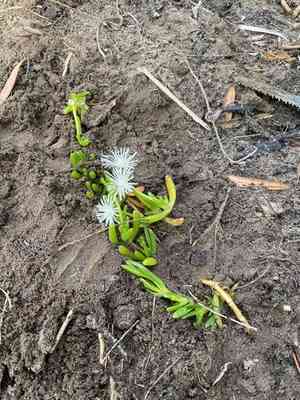
Disphyma crassifolium can be identified by its fleshy, succulent leaves that are rounded to slightly triangular in cross-section. The leaves are typically green but can sometimes appear reddish. The flowers are daisy-like, with white, pink, or purple petals.
Scientific Classification of Purple dew-plant
Phylum
Vascular plants
Class
Dicotyledons
Order
Caryophyllales
Family
Fig-marigold
Genus
Ice plant
Species
Purple dew-plant
Planting and Growing of Purple dew-plant
Care Difficulty
Easy
Watering Schedule
Every 2 days
Sunlight Requirements
Full sun
Sunshine Duration
6-10 hours
Ideal Temperature
60-75℉
Soil Type
Potting Mix, Peat Mix
Soil pH
6.5-7.5
Fertilizer Type
Balanced
Pruning Season
Spring, Summer
Pruning Area
Branches, Leaves
Pruning Frequency
2 times a year
Repotting Season
Spring
Pot Type
Plastic, Ceramic
 How to Water Purple dew-plant?
Disphyma crassifolium prefers a moderate watering regime. Water it with about 250 ml per session, ensuring that the soil becomes moist but not waterlogged. The soil should show signs of moisture up to a few centimeters down but should never feel completely soaked.
What are the symptoms of an underwatered Purple dew-plant?
›
What should I do if my Purple dew-plant is not getting enough water?
›
What are the symptoms of an overwatered Purple dew-plant?
›
How to save an overwatered Purple dew-plant?
›
 What Are the Sunlight Requirements for Purple dew-plant?
This plant, Disphyma crassifolium, thrives under full sun or partial sun, benefiting from at least 4 to 6 hours of light. Adequate and consistent light exposure supports its vibrant growth and flower production.
Solution for Optimal Lighting
›
How to Implement Optimal Lighting
›
Benefits of Achieving Ideal Light Conditions
›
 What Is the Ideal Temperature Range for Purple dew-plant?
For optimal growth conditions, Disphyma crassifolium thrives best within a temperature range of 60°F to 75°F. This range ensures that the plant has enough warmth to perform photosynthesis efficiently without being subjected to heat or cold stress. Keeping the plant within this ideal range promotes healthy foliage and robust flowering.
 What Soil is Best for Purple dew-plant?
Disphyma crassifolium thrives in well-draining soil as it prevents water-logging, which can lead to root rot. It ensures that the plant roots receive adequate oxygen and remain healthy. Though well-draining, the soil should retain enough moisture to support the succulent nature of Disphyma crassifolium. This balance helps the plant sustain and grow without frequent watering. A soil that is rich in nutrients such as minerals and organic matter will support the robust growth of Disphyma crassifolium, promoting vibrant foliage and flowering.
 How to Fertilize Purple dew-plant?
Disphyma crassifolium generally requires light fertilization. A diluted solution of liquid fertilizer, typically at half the recommended strength, ensures that the plant receives adequate nutrients without overwhelming its succulent nature. Ensure that the fertilizer is low in nitrogen, as excessive nitrogen can lead to weak, leggy growth.
 How to Prune Purple dew-plant?
Before starting, ensure your pruning tools such as shears or scissors are clean to prevent disease transmission. Identify any dead or damaged stems, as these will be your first targets for removal. Make sure the plant is dry to minimize the risk of infection. Trim back overgrown stems by cutting them back to the base or just above a leaf node. Focus on deadheads and crossing branches to improve air circulation throughout the plant. Pay attention to maintaining a balanced structure to keep the plant's natural shape attractive.
More About Pruning Techniques→
 How to Propagate Purple dew-plant plant?
1
Choose healthy, non-flowering stems for cuttings, ideally around 10 cm in length. It is crucial to ensure that the cutting comes from a robust plant to increase the likelihood of successful rooting.
2
Use well-draining, sandy soil in pots or trays for both seeds and cuttings. A suitable soil mixture aids in preventing water retention, which can lead to root rot.
3
For seeds, sow them on the soil surface and cover lightly. For cuttings, insert them into the soil so that at least half is submerged. Ensure each medium stays moist without being waterlogged.
 How to Repot Purple dew-plant plant?
1
You should consider repotting Disphyma crassifolium when the plant outgrows its current container or when you notice roots curling around the pot's base. Spring and summer are the prime seasons as the plant is most active during these times, providing a conducive environment for recuperating from any stress caused by repotting.
2
Opt for a pot with good drainage holes, slightly larger than the current one, to give room for growth. Ceramic or terracotta pots are ideal as they provide stability and excellent air circulation, which helps to keep the roots healthy and prevent rot.
3
Use a sandy, gritty mix that drains quickly and does not retain water. A well-draining soil mix reduces water retention, preventing root rot and promoting healthy root development by ensuring the plant receives adequate air circulation around its roots.



