Enhancing Your Garden Design with the Purple dew-plant Plant: A Landscaping Guide
1
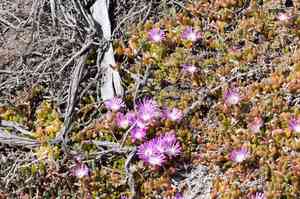
The purple dew-plant tolerates dry conditions exceptionally well, ideal for water-wise gardens.
2
Its vivid hue offers an appealing aesthetic in diverse garden designs.
3
Adaptable for landscaping, the purple dew-plant functions as ground cover, in rockeries, and bordering areas.
Why Select Purple Dew-Plant for Your Outdoor Space?
Aridity tolerance and minimal water needs
Purple dew-plant is a robust species renowned for its excellent ability to withstand dry conditions. This characteristic makes it an optimal selection for gardeners aiming to decrease their water consumption. Since Purple dew-plant demands little irrigation, it not only conserves resources but also lessens the upkeep required for your garden. In areas with limited water availability or during arid periods, Purple dew-plant can flourish where other flora might struggle, ensuring your landscape stays lush and vibrant all year.
Vivid coloration and distinct texture
A prominent attribute of Purple dew-plant is its striking hue and unique tactile quality. The plant's intense colors can introduce a burst of vibrancy to your garden design, establishing a focal point and elevating the aesthetic appeal of any outdoor area. Its thick, succulent foliage adds an intriguing texture, creating a beautiful contrast with other plants and landscape elements. These lively and distinctive features can make your garden layout more captivating and dynamic, keeping it fresh and engaging throughout the year.
Adaptability in garden applications
Purple dew-plant offers remarkable flexibility, making it a valuable inclusion for various landscaping arrangements. Whether you require ground cover for barren spots, edging for walkways, or a plant that can thrive in rock gardens, Purple dew-plant can fulfill these roles. Its versatility allows it to seamlessly integrate into diverse garden styles and configurations, from contemporary minimalist gardens to traditional, abundant landscapes. This adaptability makes it a preferred plant for imaginative gardeners seeking to innovate their designs.
Integrating Purple Dew-Plant into Your Landscape
As ground cover: Managing empty areas
Purple dew-plant serves as an excellent ground cover, effectively concealing empty or less appealing soil patches. Its dense growth habit can suppress weed proliferation, reducing the need for constant weeding. Spreading easily across the ground, it provides a uniform and attractive green carpet wherever planted. This makes it highly beneficial for areas where conventional grass might struggle to grow, ensuring no part of your garden appears unfinished or neglected.
Edges and borders: Enhancing paths and garden boundaries
Utilize Purple dew-plant to define and accentuate pathways and garden borders. Its low-growing nature and dense foliage make it perfect for creating neat and appealing boundaries. When planted alongside paths or the edges of garden beds, Purple dew-plant can provide a clear and visually pleasing border that differentiates various garden zones. Its vibrant color and texture can also serve as a beautiful transition between different sections of your garden, making the entire design feel cohesive and well-planned.
Rock gardens: Ideal for stony and dry environments
For gardens featuring rock elements or designed in an arid fashion, Purple dew-plant is an ideal match. Its inherent ability to adapt to dry and rocky conditions allows it to flourish where other plants might fail. Planting Purple dew-plant among rocks can soften the harshness of the stones, adding greenery and vitality to the scene. Its captivating appearance amidst rocks can generate stunning visual contrasts, enhancing the overall aesthetic and allure of your rock garden.
Seasonal Considerations for Planting Purple Dew-Plant
Optimal planting period
The best time to plant Purple dew-plant is during the cooler, wetter months of the year, typically in early spring or autumn. This timing ensures that the plant can establish its root system before the summer heat or winter cold arrives. Planting during these seasons takes advantage of natural rainfall, reducing the need for supplementary watering and giving Purple dew-plant the best start in its new environment.
Preparing the soil and site
Preparing the soil for Purple dew-plant involves ensuring good drainage, as it prefers well-drained to sandy soils. Begin by tilling the soil and incorporating organic matter or sand to improve drainage if necessary. Creating a gentle slope or utilizing raised beds can further help prevent water accumulation, which can be detrimental to the plant's health. Careful site preparation will set the stage for successful growth and cultivation of Purple dew-plant.
Year-round maintenance
While Purple dew-plant is low-maintenance, it still requires some basic care to thrive throughout the seasons. During its initial growth phase, occasional watering can aid in plant establishment. In winter, shield Purple dew-plant from extreme cold with mulch or a garden frost blanket. During hot summers, ensure adequate hydration but avoid over-watering. Regularly checking for pest issues and ensuring proper drainage will help keep Purple dew-plant healthy all year.
Common Challenges and Solutions with Purple Dew-Plant
Pest problems and natural deterrents
Although Purple dew-plant is relatively pest-resistant, it can occasionally attract pests like aphids or snails. To combat these, consider employing natural repellents such as neem oil or introducing beneficial insects like ladybugs. Consistent monitoring and prompt action can prevent pest issues from escalating. Ensuring vigorous growth through proper watering and soil management also makes Purple dew-plant less vulnerable to pest infestations.
Managing excessive growth or spread
Purple dew-plant can spread rapidly, which is beneficial for covering ground but can sometimes lead to overgrowth. To keep it in check, regular pruning or trimming is advised. Define boundaries in your garden to limit its spread, and be prepared to remove surplus growth periodically. This will maintain the desired shape and size of the planting area, helping it remain a well-behaved and ornamental part of your landscape.
Addressing weather impacts and protection strategies
Weather conditions can affect Purple dew-plant differently depending on the region. In areas prone to frost, protect Purple dew-plant with mulching or frost blankets during cold spells. During periods of extreme heat, ensure the plant receives sufficient water without becoming waterlogged. Strong winds can also be a concern, so consider planting Purple dew-plant in a sheltered location or using windbreaks. Adapting your care strategies according to the weather will help keep Purple dew-plant healthy and flourishing.



