How to Prune Purple dew-plant?
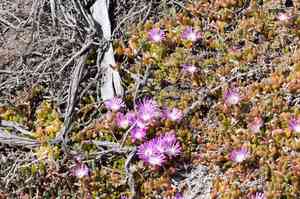
A succulent, sprawling groundcover, purple dew-plant flourishes in seaside regions, showcasing brilliant magenta blooms. Trimming is performed to sculpt, eliminate deceased or injured parts, and stimulate more compact development. The ideal timeframe extends from spring to autumn, aligning with the plant's vigorous period. When trimming, employ sanitized, keen implements to make accurate incisions, refraining from excessive removal to avert strain. Consistent trimming enhances vitality, aesthetics, and blooming capacity, guaranteeing purple dew-plant stays contained and sturdy.
Advantages of Trimming Purple Dew-plant
Advantages of Trimming Purple Dew-plant
Trimming purple dew-plant promotes robust development and helps maintain its desired form. Regular cutting revitalizes the plant, ensuring peak health and a neat appearance.
Optimal Period for Pruning Purple Dew-plant
Optimal Period for Pruning Purple Dew-plant
Pruning purple dew-plant in late Spring coincides with the end of its dormant phase, preparing it for fresh growth and improved weather. Early Summer pruning is beneficial as purple dew-plant's initial growth surge has passed, enabling gardeners to effectively shape the plant without hindering its blooming or fruiting. Early Fall offers a final chance to trim purple dew-plant before it enters dormancy; however, caution is needed to avoid late-season pruning that could harm purple dew-plant before colder temperatures arrive. These periods ensure purple dew-plant can recover from pruning without extreme weather stress, and gardeners can manage its health and beauty without disrupting its natural growth cycle.
Necessary Tools for Pruning Purple Dew-plant
Hand Pruners
Perfect for precise cutting and shaping of purple dew-plant, as this plant typically features fleshy, succulent leaves and stems that require clean cuts to prevent harm.
Pruning Scissors
Useful for delicate tasks and deadheading purple dew-plant, allowing careful removal of spent flowers or damaged foliage without harming healthy parts.
Gloves
Protects hands when handling purple dew-plant, as its sap might cause irritation or the plant may have rough edges that could cut or scratch.
Alcohol Wipes or Bleach Solution
For sanitizing pruning tools before and after use, to prevent the spread of disease among purple dew-plant plants.
How to Prune Purple Dew-plant
Clean Tools
Before pruning purple dew-plant, sanitize your pruning tools with alcohol or a bleach solution to prevent disease transmission.
Identify Targets
Examine purple dew-plant closely and pinpoint diseased leaves, withered leaves, dead branches, and diseased branches that need pruning.
Prune Diseased And Withered Leaves
Using your sterilized tools, carefully snip away diseased and withered leaves from purple dew-plant at the base of the leaf stem, ensuring clean cuts without tearing.
Prune Dead And Diseased Branches
Cut back dead and diseased branches of purple dew-plant to the nearest healthy tissue. However, if the branch is largely diseased, remove it entirely by cutting at the base or at its point of origin.
Dispose Debris
Discard all removed material away from healthy purple dew-plant plants to prevent any disease from spreading, and clean the tools again after use.
Common Pruning Errors with Purple Dew-plant
Over-Pruning
Removing too much foliage at once can stress purple dew-plant and hinder its growth. Aim to prune no more than one-third of the plant at a time.
Blunt Tools
Using dull or dirty pruning tools can damage the stems of purple dew-plant, leading to jagged cuts that may expose the plant to disease.
Tearing Stems
Ripping or tearing the stems instead of making clean cuts can prevent purple dew-plant from healing properly and increase susceptibility to pests and diseases.
Neglecting Diseased Parts
Failing to remove diseased or dead material can allow the problem to spread, potentially impacting the overall health of purple dew-plant.
Wrong Technique
Using incorrect pruning techniques can result in poor plant shape and diminished flowering. Purple dew-plant requires specific methods to maintain its form.
Ignoring Plant Structure
Pruning without understanding the natural growth habit of purple dew-plant can lead to excessive or improperly placed cuts.
General Pruning Advice for Purple Dew-plant
Clean Cuts
Ensure cuts are clean and angled to prevent water accumulation, which can lead to rot and other issues in purple dew-plant.
Sharp Tools
Use sharp secateurs or pruning shears to ensure precise cuts that promote healing and prevent damage to purple dew-plant.
Selective Pruning
Focus on removing only dead, damaged, or diseased foliage to maintain plant health and encourage new growth in purple dew-plant.
Reshaping
Prune purple dew-plant to maintain its natural shape, promoting a more aesthetically pleasing plant and better air circulation.
Encourage Flowering
Trimming back the stems of purple dew-plant after flowering can help stimulate new growth and potentially more blooms in the following season.
Thinning
Thin out dense areas to increase light penetration and air flow, which is vital for the overall vitality and to minimize disease risk in purple dew-plant.
Gentle Handling
Handle purple dew-plant with care when pruning to preserve its delicate tissues and natural structure.



