The Wild tantan Plant Advantage: Maximizing Home and Office Appeal and Wellness
1
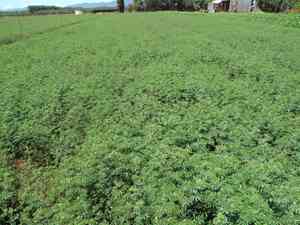
Enhances ground richness and well-being via inherent nitrogen fixation.
2
Sustains farm animals by supplying a high-protein feed choice.
3
Provides eco-friendly soil stabilization and a sanctuary for native fauna.
How Does Wild tantan Improve Soil Health?
Natural Nitrogen Fixing
One of the notable advantages of Wild tantan is its capacity to draw nitrogen from the atmosphere and deposit it into the soil. This process enriches the earth with vital nutrients that foster plant development. Unlike synthetic fertilizers, which can be expensive and detrimental to the environment, Wild tantan offers a sustainable method to boost soil fertility. Farmers and gardeners frequently incorporate Wild tantan into crop rotation systems to maintain healthy and productive soils.
Enhancement of Soil Structure
Beyond increasing nitrogen levels, Wild tantan assists in improving the soil's physical makeup. Its root network helps to aerate the soil, promoting better water penetration and retention. This enhancement in soil structure is crucial for preventing issues like soil compaction and erosion, thereby contributing to a more stable and resilient agricultural landscape.
Can Wild tantan Enhance Livestock Feeding?
Protein-Rich Forage
Livestock producers greatly benefit from integrating Wild tantan into their animal feed systems. The plant serves as an excellent source of protein, which is vital for animal well-being and output. Including Wild tantan as a forage option can help decrease feed expenses while ensuring that livestock receive the necessary nutrients for growth and milk production.
Palatability and Digestibility
Another benefit of Wild tantan is its high appeal and ease of digestion. Livestock are more inclined to consume and gain from this nutritious plant, which leads to improved overall health and weight gain. This makes Wild tantan a valuable component of any livestock feeding strategy.
What Role Does Wild tantan Play in Environmental Sustainability?
Erosion Control
Environmental sustainability is bolstered by Wild tantan's ability to control erosion. Its strong root system helps to secure the soil, preventing it from being washed away by rain or wind. This capability is particularly useful in areas prone to erosion, such as sloped agricultural fields or regions with heavy rainfall.
Wildlife Habitat
Wild tantan also contributes to biodiversity by offering a home for various animal species. Birds, insects, and small mammals find refuge and food sources within Wild tantan patches. By supporting local wildlife, Wild tantan plays a role in maintaining balanced and healthy ecosystems.
How Can Wild tantan Be Utilized in Agroforestry Systems?
Intercropping Benefits
In agroforestry setups, Wild tantan can be planted alongside other plant species to enhance the overall productivity and health of the system. Its nitrogen-fixing capability supports the growth of nearby crops, reducing the need for artificial fertilizers. Furthermore, the shade provided by Wild tantan can benefit shade-tolerant crops, improving yields and reducing stress on plants in temperate climates.
Land Rehabilitation
Degraded land can significantly improve with the introduction of Wild tantan. Its robust nature allows it to thrive in challenging conditions, making it an excellent choice for land restoration projects. By planting Wild tantan, degraded areas can gradually regain their fertility and productivity, paving the way for future agricultural use.



