How to Transplant Wild tantan?
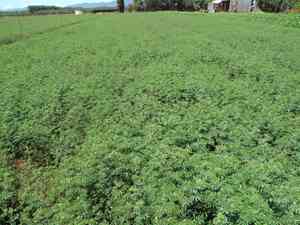
The optimal period for relocating wild tantan spans from the gentle warmth of late spring through the supportive conditions of mid-summer, fostering robust development. Select a brightly lit spot featuring soil that drains effectively, and ensure consistent irrigation following the move to facilitate successful rooting.
Essential Preparations Before Relocating Wild Tantan?
When is the Best Time to Move Wild Tantan?
The optimal window for relocating wild tantan extends from the onset of late spring to the peak of mid-summer. This timeframe offers wild tantan sufficient warmth and ample daylight, which are perfect for root development and robust growth. Moving wild tantan during this period maximizes its chances of adapting and thriving in its new spot before colder weather arrives, fostering strong health for the subsequent season. Seize this prime opportunity for your wild tantan to flourish!
What is the Recommended Spacing Between Wild Tantan Plants?
When positioning your wild tantan, an excellent selection indeed! Aim for a separation of approximately 24-36 inches (61-91 cm). This provides your wild tantan ample room to thrive without excessive competition from neighboring plants.
What is the Optimal Soil Blend for Wild Tantan Relocation?
The perfect environment for your wild tantan requires soil that drains effectively. Incorporating some compost or a balanced, slow-release fertilizer would be beneficial to give your wild tantan a nutrient-rich beginning. Remember to irrigate the soil after planting!
Where Should You Replant Your Wild Tantan?
Your wild tantan thrives in sunlight, so locate a spot that receives full sun. This means at least 6 hours or more of direct sunlight daily. A bright location will encourage your wild tantan to grow vigorously and produce abundant blooms!
What Tools Are Necessary Before Transplanting Wild Tantan?
Gardening Gloves
To safeguard your hands while handling soil and plants.
Shovel or Garden Spade
For digging around and extracting the wild tantan from its current position.
Pruning Shears
To trim any damaged or dead roots and stems.
Watering Can or Hose
To hydrate the wild tantan before and after its relocation.
Wheelbarrow or Garden Cart
To move the wild tantan if it is large or heavy from one spot to another.
Tarp or Burlap
To secure the soil and root ball and shield the roots during transit.
Garden Rake
To smooth and level the ground in the new planting area.
Stake or Plant Support
To offer stability to the wild tantan post-transplant, if required.
How to Extract Wild Tantan from the Ground?
How to Extract Wild Tantan from the Ground?
From Ground: Start by watering the wild tantan to soften the surrounding earth. Use a shovel or spade to dig a wide circle around the plant to minimize root damage. Carefully dig until you can safely lift the root ball from the ground.From Pot: Hydrate the wild tantan prior to beginning. Invert the pot and gently tap its sides to loosen the soil. Grasp the base of the wild tantan and carefully pull it out, ensuring the root ball is supported.From Seedling Tray: Moisten the soil to lessen root disturbance. Employ a transplanting tool or a small fork to lift the wild tantan seedling from the tray, aiming to preserve as much of the root system as possible.
Detailed Steps for Transplanting Wild Tantan
Choosing Time
Opt for a cool or overcast day if feasible to minimize transplant shock.
Preparing New Site
Excavate a hole that is twice the width and equivalent in depth to the wild tantan's root ball.
Root Preparation
Inspect the wild tantan's roots, removing any damaged sections with clean pruning shears.
Planting
Position the wild tantan in the center of the hole, ensuring it sits at its original planting depth. Gently backfill the hole with soil, avoiding compaction, to allow roots to breathe and expand.
Watering Transplant
Thoroughly water the wild tantan after planting to help settle the soil and eliminate air pockets.
Staking
If the wild tantan is tall or in a windy location, provide a stake for support and loosely tie the stems to it.
How to Care for Wild Tantan After Relocation?
Stabilizing
Verify the wild tantan's stability after transplanting and gently adjust the soil if the plant appears loose or leaning.
Watering Schedule
Establish a consistent watering routine to maintain evenly moist soil, promoting proper root development.
Monitoring
Observe the wild tantan's progress, watching for signs of stress like wilting or discoloration, and intervene if necessary.
Pruning
Trim any broken or dead branches to direct the wild tantan's energy towards root establishment and new growth.
Mulching
Apply a layer of mulch around the base of the wild tantan to help retain soil moisture and regulate temperature.
Addressing Common Issues with Wild Tantan Transplantation.
What's the ideal time to transplant wild tantan?
Relocate wild tantan during its peak growth period, from late spring through mid-summer, for optimal outcomes.
How far apart should I space wild tantan when transplanting?
Ensure each wild tantan has ample room to thrive by spacing them 24-36 inches (61-91 cm) apart.
Why is my wild tantan wilting after transplanting?
Wilting may be due to transplant shock. Gently water and provide shade for wild tantan for a few days to aid its recovery.
How deep should I plant wild tantan?
Dig a hole as deep as the root ball and twice as wide to give wild tantan roots space to expand.
Can I transplant wild tantan on a hot day?
Transplanting on a cooler, overcast day or in the evening reduces stress on wild tantan and helps it acclimate better.
What soil type is best for transplanting wild tantan?
Utilize well-draining soil enriched with organic matter to give wild tantan a healthy start after transplant.
How do I water wild tantan after transplanting?
Water wild tantan deeply immediately after transplanting and regularly thereafter, allowing the soil to dry slightly between waterings.
My wild tantan looks droopy despite watering. What's wrong?
Droopiness can indicate root damage. Be gentle during transplanting and ensure the roots are not constricted or cramped.
Should I use fertilizer when transplanting wild tantan?
Wait a few weeks post-transplant before fertilizing wild tantan to prevent burning its delicate roots.
How to protect wild tantan from pests during transplant?
Inspect wild tantan for pests before transplanting and consider a protective layer of mulch post-transplant for pest management.



