How to Prune Wild tantan?
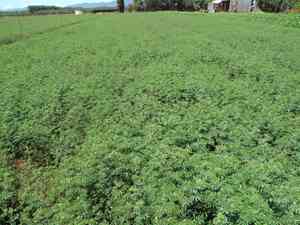
This enduring leguminous plant flourishes in equatorial zones and is recognized for its capacity to enrich the earth. For wild tantan, strategic trimming in the spring and summer months is crucial for controlling its dimensions and fostering a more compact habit. Cut directly above the leaf junctions and shorten elongated stalks. Reducing crowded groupings improves air circulation, thereby lowering the likelihood of illness. Trimming benefits wild tantan by stimulating new development and potential boosts in harvest, rendering it an important upkeep method for this nitrogen-fixing variety.
Advantages of Trimming Wild Tantan
Advantages of Trimming Wild Tantan
Trimming wild tantan promotes vigorous development by stimulating new shoots, which can lead to a denser and more robust plant. Regular shaping maintains the desired form and prevents wild tantan from becoming unruly or overgrown.
Optimal Time for Trimming Wild Tantan
Optimal Time for Trimming Wild Tantan
Trimming during Spring allows wild tantan to recover and produce new growth as the plant emerges from dormancy and has an entire growing season ahead to strengthen. In early Summer, trimming can be beneficial to manage the size and shape of wild tantan, as well as to remove any dead or diseased branches, ensuring the plant's health while it's still in the active growing phase. These seasons are chosen considering that the stress on wild tantan is minimized and the healing process is quicker, thus not interfering with flowering or fruiting cycles. Avoiding late Summer or Fall trimming is crucial as it can stimulate new growth that may not have sufficient time to harden off before the onset of cold weather, potentially leading to frost damage.
Tools Required for Trimming Wild Tantan
Hand Pruners
Ideal for making clean cuts on 'Desmanthus virgatus' which typically has thin stems that can be easily managed with hand pruners.
Lopping Shears
Useful for cutting through thicker branches of 'wild tantan' that hand pruners cannot handle, providing the necessary leverage and reach.
Pruning Saw
Recommended for removing mature or dead wood from 'wild tantan' that is too thick for lopping shears, ensuring precise and healthy cuts.
Gloves
Essential to protect the gardener's hands from thorns and rough branches while pruning 'wild tantan'.
Safety Glasses
Protect the eyes from debris when trimming 'wild tantan', which is crucial during overhead pruning or when dealing with multiple branches.
How to Trim Wild Tantan
Sanitize
Before you begin trimming wild tantan, ensure that all pruning tools are thoroughly cleaned and sanitized to prevent the spread of disease.
Remove Diseased Leaves
Identify and carefully remove any leaves that show signs of disease. Use a precise cutting tool like pruning shears to snip the leaves at the base of their stems to minimize stress to wild tantan.
Remove Withered Leaves
Locate withered or dead leaves on wild tantan, and trim them off at their base to promote healthy growth and improve air circulation within the plant foliage.
Prune Diseased Stems
Examine wild tantan for diseased stems. Use sharp, sanitized pruning shears to make clean cuts on the diseased stems, removing them completely to stop the spread of infection. Do the cuts at a 45-degree angle to facilitate healing.
Clean Up
After trimming wild tantan, clean the ground around the plant to remove all fallen leaves and trimmed stems which could harbor pathogens or pests. Proper disposal helps ensure the ongoing health of wild tantan.
Common Trimming Errors with Wild Tantan
Overpruning
Removing too much foliage which can stress wild tantan and stunt its growth or even lead to its demise.
Improper Cuts
Making cuts that are too angled or ragged which can invite pests and disease and impede the healing process.
Tools Misuse
Using dull or dirty tools that can damage wild tantan's branches and increase the risk of disease transmission.
Neglecting Plant Form
Ignoring the natural shape of wild tantan, which can result in an unbalanced and unhealthy plant structure.
Pruning Without Reason
Trimming wild tantan without a clear purpose, such as to remove dead wood or to shape, which can be unnecessary and harmful.
General Trimming Advice for Wild Tantan
Clean Cuts
Make sure to use sharp and clean pruning shears to make clean cuts that heal quickly, without damaging wild tantan's delicate stems.
Correct Angle
Always cut at a 45-degree angle about 1/4 inch above a bud facing the outside of the plant, promoting outward growth for wild tantan.
Health Assessment
Before trimming wild tantan, assess its health to determine which branches to prune; remove only dead, diseased, or overgrown branches.
Moderate Pruning
Practice moderate pruning, making sure not to remove more than one-third of wild tantan's total foliage during a single pruning session.
Aesthetic Maintenance
Maintain the natural form of wild tantan, trimming just enough to enhance its shape and encourage the growth of flowers without over-trimming.



