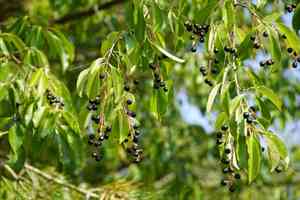
Sour cherry (Prunus cerasus)
Also known as: Tart cherry, Amarelle cherry
Sour cherries (*Prunus cerasus*) are cultivated in several countries, notably Turkey, Poland, the United States (especially Michigan), Hungary, and Russia. These cherries are characterized by their bright, tangy flavor, which combines sweetness and acidity. They are frequently used in various culinary dishes, especially in baking and cooking.
Attributes of Sour cherry
Images of Sour cherry
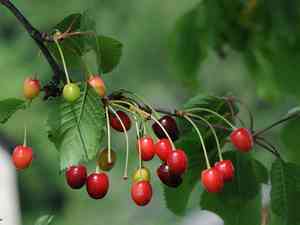
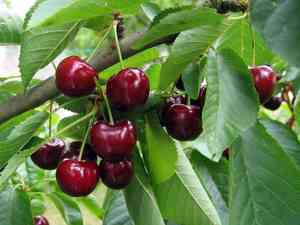
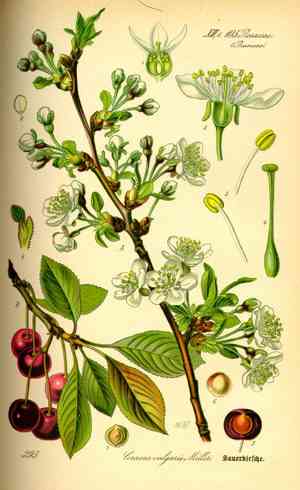
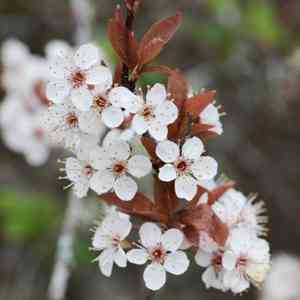
Quickly Identify Sour cherry
Scientific Classification of Sour cherry
Planting and Growing of Sour cherry
 How to Water Sour cherry?
 What Are the Sunlight Requirements for Sour cherry?
 What Is the Ideal Temperature Range for Sour cherry?
 What Soil is Best for Sour cherry?
 How to Fertilize Sour cherry?
 How to Prune Sour cherry?
 How to Propagate Sour cherry plant?
 How to Repot Sour cherry plant?
Toxicity of Sour cherry
Is Sour cherry toxic to humans?
Every member of the *Prunus* genus, which encompasses sour cherries and other varieties, possesses parts that are toxic when ingested. The twigs and seeds harbor toxins in the form of hydrogen cyanide, a dangerous substance that can prove fatal if consumed. The effects of this toxin can be quite serious, potentially leading to death in extreme situations. Symptoms resulting from hydrogen cyanide exposure include difficulty breathing, dilated pupils, general weakness, and in severe cases, loss of consciousness or even death. It is possible for individuals to accidentally consume the seeds while enjoying the widely-liked fruits produced by this plant.



