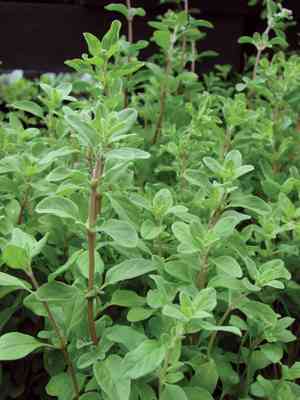
Sweet marjoram(Origanum majorana)

Sweet marjoram (Origanum majorana)

Also known as: Pot marjoram

Sweet marjoram (Origanum majorana) is a plant species native to the Mediterranean region and the Arabian Peninsula. It is commonly cultivated for its aromatic leaves. This species is somewhat sensitive to cold temperatures. Sweet marjoram is often described as combining the flavors of sweet pine and citrus. It gets used as an herb for culinary purposes and to make essential oils.

Attributes of Sweet marjoram

Lifespan
Perennial, Annual, Biennial
Plant Type
Herb
Plant Height
30 cm to 60 cm
Spread
30 cm to 60 cm
Leaf Color
Green Gray Silver
Flower Size
2.5 cm
Flower Color
White Pink Purple

PlantJoy - Identify plants with a snap

Identify and diagnose plants, get toxicity alerts, and explore safety guides for all types of fungi.

Try for Free

Images of Sweet marjoram

Sweet marjoram(Origanum majorana)

Quickly Identify Sweet marjoram

1
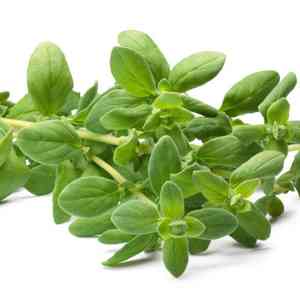
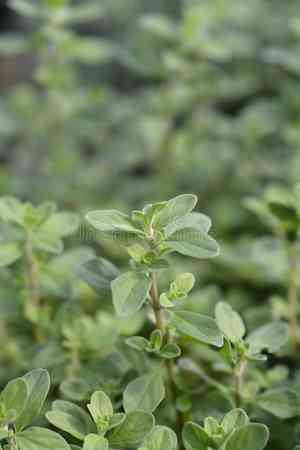
Aromatic, oval, slightly furry leaves with a mild, sweet flavor before blooming.
2
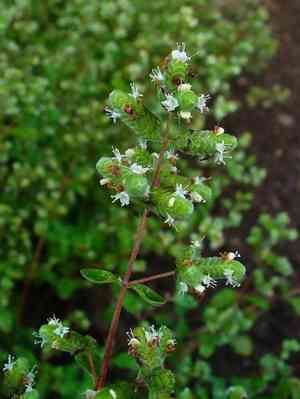
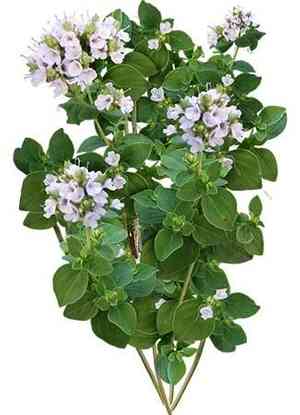
Tiny white or pale pink tubular flowers in dense, fragrant spikes.
3
Small, dry, single-seeded nutlet fruit in pairs among the foliage.
4
Square stem with burgundy streaks, fine hairs, and branching opposite pattern.
5
Prominent, ovate, green leaves with fuzzy texture and visible longitudinal veins.

Scientific Classification of Sweet marjoram

Phylum
Vascular plants
Class
Dicotyledons
Order
Lamiales
Family
Mint
Genus
Marjorams
Species
Sweet marjoram

Planting and Growing of Sweet marjoram

Care Difficulty
Easy
Watering Schedule
Every 3 days
Sunlight Requirements
Full sun
Sunshine Duration
6-10 hours
Ideal Temperature
64-70℉
Soil Type
Potting Mix, Peat Mix
Soil pH
6.5-7.5
Fertilizer Type
Balanced
Pruning Season
Spring, Summer
Pruning Area
Branches, Leaves
Pruning Frequency
2 times a year
Repotting Season
Spring
Pot Type
Plastic, Ceramic

water icon How to Water Sweet marjoram?

Origanum majorana, commonly known as marjoram, thrives with moderate watering. This herb requires about 250 ml of water per session, ensuring that the soil is evenly moist but not waterlogged. The key is to water deeply, allowing the moisture to reach the root zone, while avoiding standing water.
What are the symptoms of an underwatered Sweet marjoram?
What should I do if my Sweet marjoram is not getting enough water?
What are the symptoms of an overwatered Sweet marjoram?
How to save an overwatered Sweet marjoram?

sunlight icon What Are the Sunlight Requirements for Sweet marjoram?

Sunlight Requirements: Full sun, Partial sun
Duration of light: 6 to 8 hours
The ideal light range for Origanum majorana is full sun to partial sun. Proper light availability helps boost photosynthesis, producing more robust foliage and enhancing the plant's aromatic properties.
Optimal sunlight exposure
Morning sun benefits
Afternoon shade solution
More About Sunlight Requirements Techniques

temperature icon What Is the Ideal Temperature Range for Sweet marjoram?

Ideal Temperature: 64 ~ 70℉
The optimal temperature range for Origanum majorana is between 64 and 70 degrees Fahrenheit. These temperatures are considered ideal as they mimic the plant's native conditions in the Mediterranean. Maintaining this range ensures optimal growth and maximum flavor in the leaves, which are commonly used in culinary dishes.

soil icon What Soil is Best for Sweet marjoram?

Soil type: Sandy soil, Loam
Soil PH: 6.5 ~ 7.5
Origanum majorana thrives in well-draining soil, as it prevents root rot by allowing excess water to flow away quickly. This soil condition is crucial in maintaining healthy roots and ensuring optimal plant growth. A nutrient-rich soil enhances Origanum majorana’s vitality by providing essential minerals and nutrients. This supports lush foliage and maximizes the aromatic compounds the plant produces. While nutrient-rich, the soil doesn’t need to be excessively fertile. Moderate fertility encourages balanced growth without overwhelming the plant's system, leading to robust and sustainable development.

fertilize icon How to Fertilize Sweet marjoram?

Fertilizer type: Balanced
For Origanum majorana, it is crucial to use a balanced fertilizer with an equal ratio of nitrogen, phosphorus, and potassium. A liquid fertilizer with a concentration of 10-10-10 NPK is generally suitable. Apply about 1/4 cup of this diluted solution per plant, ensuring the soil is adequately moist before application to prevent root burn.

prune icon How to Prune Sweet marjoram?

Pruning Time: Spring, Summer, Autumn
To prune Origanum majorana, use sharp, clean shears. Begin by removing any dead or damaged stems. Trim back the top third of the plant to encourage denser growth. Focus on cutting just above a set of leaves or a leaf node to promote branching. For shaping, consider the overall structure you want. Gently trim the sides to maintain a rounded or preferred form. Regular minor trims throughout the growing season prevent the need for heavy pruning later and help keep the plant looking tidy and appealing. More About Pruning Techniques

propagate icon How to Propagate Sweet marjoram plant?

Propagate Time: Early spring, Spring, Early summer
1
Fill the seed tray with a high-quality, well-draining potting mix. Make sure the mix is moist but not waterlogged. Gently firm the surface of the soil with your fingers to create an even surface for sowing the seeds. Ensuring adequate moisture will help promote successful germination of origanum majorana seeds.
2
Select healthy, non-flowering stems that are about 3 to 5 inches long. Use sterilized pruning shears to make a clean cut just below a node, which is the point where leaves are attached to the stem. Remove leaves from the lower half to two-thirds of the cutting, leaving only a few at the top. This helps to reduce moisture loss and focus energy on root development.
3
Carefully dig out the mature origanum majorana plant from its current location, taking care not to damage the root system. Gently separate the plant into smaller sections using your hands or a sharp knife, ensuring each section has a healthy root system attached. Replant each division promptly into a new location enriched with compost for optimal growth.
More About Propagating Techniques

repot icon How to Repot Sweet marjoram plant?

Repotting frequency: Every 1-2 years
1
Origanum majorana typically needs repotting when the roots start circling the pot's edges, indicating limited space. Also, if growth slows down or water drains too quickly, it's a signal for repotting. The best time to repot is in spring or summer, promoting vibrant growth.
2
Select a pot slightly larger than the current one. The right pot should provide just enough space to encourage root development without overwhelming the plant. Additionally, ensure it has good drainage to prevent roots from sitting in water, which can lead to root rot.
3
Use a well-draining potting mix, ideally one that includes ingredients like perlite or sand. This type of soil allows excess water to drain away, reducing the risk of root rot. It also ensures that the roots get enough oxygen for healthy growth.

PlantJoy - Identify plants with a snap

Find the best spots for them to optimize their health, simply using your phone.

Try for Free

Toxicity of Sweet marjoram

Is Sweet marjoram toxic to humans?

Sweet marjoram exhibits a low degree of toxicity to humans. Ingesting any portion of the plant can result in poisoning. The entire plant, comprising of both leaves and stems, is regarded as toxic. Generally, symptoms of poisoning from sweet marjoram are mild but may manifest as gastrointestinal issues such as nausea, vomiting, and diarrhea. In some instances, more serious reactions including headaches, dizziness, or an allergic response may occur. Since sweet marjoram is not frequently eaten as a vegetable, cases of poisoning usually arise from accidental consumption. It is essential for individuals to exercise caution and refrain from consuming parts of sweet marjoram to avoid experiencing these undesirable symptoms.

Is Sweet marjoram toxic to cat?

Sweet marjoram possesses moderate toxicity for cats and may lead to significant health issues if ingested in substantial quantities. Consumption of its leaves can result in gastrointestinal distress and diarrhea, potentially necessitating a veterinary visit for intravenous fluid treatment in cases of dehydration. It is advisable to keep all potted herbs beyond the cat's reach.

Is Sweet marjoram toxic to dog?

Sweet marjoram possesses mild to moderate toxicity for dogs, with adverse reactions varying based on the specific dog and the quantity ingested. Consuming any portion of the plant often leads to vomiting and/or diarrhea, and in severe cases, it can result in ulcers or hindered blood clotting. While strong reactions are uncommon, a visit to the veterinarian may not always be essential. As a commonly cultivated herb, sweet marjoram has a potent, sweet aroma that can attract dogs, so it is important to ensure it is kept out of reach from your furry friends in both its fresh and dried states.

Identify toxic plants for your safety

Learn which plants are harmful to you and your pets, and make informed choices for a safer home!

Try for Free
WARNING
The judgment on toxicity and danger is for reference only. We DO NOT GUARANTEE any accuracy of such judgment. Therefore, you SHALL NOT rely on such judgment. It is IMPORTANT TO SEEK PROFESSIONAL ADVICE in advance when necessary.
More About Toxic Techniques