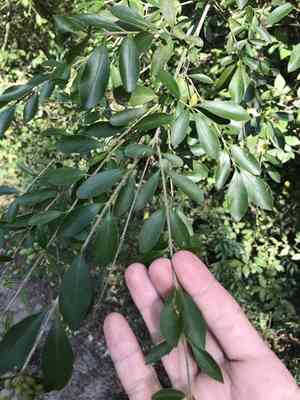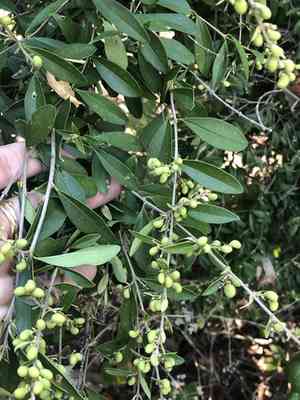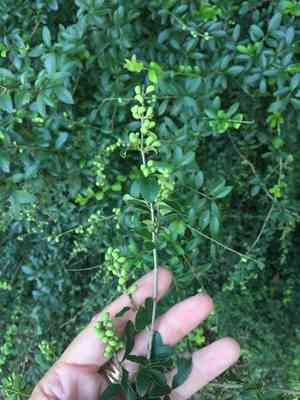
Waxyleaf privet(Ligustrum quihoui)

Waxyleaf privet (Ligustrum quihoui)

Also known as: Cheese Tree Privet, Wax-leaf Privet

The Waxyleaf privet (Ligustrum quihoui) is a semi-evergreen shrub originally from China and Korea, often used in gardens for its ornamental value. However, it has become invasive in certain regions of the United States, particularly in the southeastern states, where it poses a threat to native plant species.

Attributes of Waxyleaf privet

Lifespan
Perennial
Plant Type
Shrub
Plant Height
3 m
Spread
3 m
Leaf Color
Green
Flower Size
10 cm to 20 cm
Flower Color
White

ForwardPlant - Identify plants with a snap

Identify and diagnose plants, get toxicity alerts, and explore safety guides for all types of fungi.

Try for Free

Images of Waxyleaf privet

Waxyleaf privet(Ligustrum quihoui)

Quickly Identify Waxyleaf privet

1
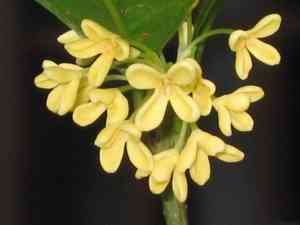
Identify Ligustrum quihoui by its small, glossy dark green leaves, tiny white flowers in dense panicles, and small black berries that follow the flowering. The leaves are opposite, simple, and elliptical in shape.

Scientific Classification of Waxyleaf privet

Phylum
Vascular plants
Class
Dicotyledons
Order
Mints plantains olives and allies
Family
Olive
Genus
Privets
Species
Waxyleaf privet

Planting and Growing of Waxyleaf privet

Care Difficulty
Easy
Watering Schedule
Every 4 days
Sunlight Requirements
Full sun
Sunshine Duration
4-8 hours
Ideal Temperature
60-75℉
Soil Type
Potting Mix, Peat Mix
Soil pH
6.5-7.5
Fertilizer Type
Balanced
Pruning Season
Spring, Summer
Pruning Area
Branches, Leaves
Pruning Frequency
2 times a year
Repotting Season
Spring
Pot Type
Plastic, Ceramic

water icon How to Water Waxyleaf privet?

For Ligustrum quihoui, it is generally best to water until the soil is thoroughly moist but not waterlogged. This means you should mentally picture the water penetrating 2-3 inches deep for a potted plant or slightly deeper for the garden bed. Ensure the water seeps evenly through the substrate to promote deep root growth.
What are the symptoms of an underwatered Waxyleaf privet?
What should I do if my Waxyleaf privet is not getting enough water?
What are the symptoms of an overwatered Waxyleaf privet?
How to save an overwatered Waxyleaf privet?

sunlight icon What Are the Sunlight Requirements for Waxyleaf privet?

Sunlight Requirements: Full sun, Partial sun
Duration of light: 4 to 8 hours
Ligustrum quihoui ideally enjoys full sun to partial sun, fostering robust growth and vibrant flowering. Adequate light exposure promotes healthier foliage and enhances the plant's natural beauty.
What is the best lighting condition for Ligustrum quihoui?
How can I effectively provide the ideal lighting for Ligustrum quihoui?
What benefits does Ligustrum quihoui gain from ideal lighting?
More About Sunlight Requirements Techniques

temperature icon What Is the Ideal Temperature Range for Waxyleaf privet?

Ideal Temperature: 60 ~ 75℉
Ligustrum quihoui thrives best in a temperature range between 60°F and 75°F. This range supports optimal growth and flowering, allowing the plant to maintain healthy foliage and produce vibrant blooms. In this temperature zone, photosynthesis operates efficiently, the root system remains vigorous, and the plant's natural defenses against pests and diseases are at their strongest.

soil icon What Soil is Best for Waxyleaf privet?

Soil type: Loam, Sandy loam, Clay soil
Soil PH: 6.5 ~ 7.5
Ligustrum quihoui thrives in well-draining soil to prevent root rot. Ensuring proper drainage means the roots can access oxygen, essential for its overall health and growth efficiency. A soil abundant in organic matter provides necessary nutrients. This facilitates healthy foliage and encourages robust flowering, offering a visually appealing display in your garden. While this plant can tolerate slight alkalinity, maintaining a balanced pH ensures optimal absorption of essential minerals, supporting vigorous growth and resilience.

fertilize icon How to Fertilize Waxyleaf privet?

Fertilizer type: Balanced
For Ligustrum quihoui, use a balanced liquid fertilizer diluted to half strength every two weeks during the growing season. For granular or slow-release fertilizers, apply about 1 pound per 100 square feet in early spring.

prune icon How to Prune Waxyleaf privet?

Pruning Time: Spring, Summer, Autumn
Begin by stepping back and examining the overall structure of the Ligustrum quihoui. Identify branches that disrupt the flow of the form you wish to maintain, whether it's a formal hedge or a more natural bush shape. Start by cutting off any dead, damaged, or diseased wood. Then, thin out dense areas by removing smaller branches to allow sunlight and air to reach the inner parts of the plant. Ensure cuts are made just above growth nodes to encourage new shoots. To maintain the desired size and shape, strategically remove additional growth that extends beyond your intended boundaries. Create a tapered effect by trimming the top slightly narrower than the base to allow sunlight to reach lower branches. More About Pruning Techniques

propagate icon How to Propagate Waxyleaf privet plant?

Propagate Time: Spring, Early summer
1
Choose a mature and disease-free plant to take cuttings or seeds from. This increases the chances of success in propagation, as healthy parent plants provide superior genetic material.
2
Use sharp sterilized pruning shears to take 4-6 inch cuttings, preferably from semi-hardwood sections. This should be done early in the day when the plant is fully turgid.
3
Collect seeds from the parent plant in late autumn. Sow them in well-draining soil, slightly burying them, and keep the soil moist but not waterlogged.
More About Propagating Techniques

repot icon How to Repot Waxyleaf privet plant?

Repotting frequency: Every 2-3 years
1
Monitor Ligustrum quihoui for signals like roots growing through drainage holes, soil drying too quickly, or stunted growth. These are strong indicators that it's time for a repot. Spring and summer provide the best periods for repotting due to optimal growing conditions, allowing the plant to recover and establish itself faster.
2
Select a pot that's just a couple of inches larger in diameter than the existing one to ensure the roots don't become waterlogged. A pot with good drainage holes is vital to prevent root rot and ensure that excess water does not accumulate, providing a healthier environment for the plant.
3
A well-draining loamy mix is ideal, offering a perfect balance of moisture retention and aeration. This encourages robust root development and prevents water stagnation. The inclusion of organic matter like peat or compost enhances nutrient availability and soil structure.

ForwardPlant - Identify plants with a snap

Find the best spots for them to optimize their health, simply using your phone.

Try for Free

Toxicity of Waxyleaf privet

Is Waxyleaf privet toxic to cat?

Waxyleaf privet is known to have a moderate degree of toxicity for cats and can result in poisoning if any part of the plant is ingested. The toxic components, specifically the leaves and fruits, may induce physical discomfort and health issues in cats that eat them. Should a cat ingest waxyleaf privet, it is crucial to seek urgent care from a veterinary clinic to treat and mitigate the negative health repercussions.

Is Waxyleaf privet toxic to dog?

The waxyleaf privet presents a moderate level of toxicity risk to dogs. Canines may suffer poisoning by consuming portions of this plant, particularly its fruits and leaves. If a dog ingests these components, it might display symptoms like gastrointestinal distress, vomiting, diarrhea, and possibly more serious reactions depending on the quantity consumed. Given the health hazards related to waxyleaf privet, dog owners must keep a vigilant eye on their pets to avert ingestion. Should there be any suspicion of poisoning, it is crucial to seek prompt veterinary attention to secure the most favorable outcome for the affected animal.

Identify toxic plants for your safety

Learn which plants are harmful to you and your pets, and make informed choices for a safer home!

Try for Free
WARNING
The judgment on toxicity and danger is for reference only. We DO NOT GUARANTEE any accuracy of such judgment. Therefore, you SHALL NOT rely on such judgment. It is IMPORTANT TO SEEK PROFESSIONAL ADVICE in advance when necessary.
More About Toxic Techniques