
Sargent's cypress (Cupressus sargentii)
Also known as: Sargent Cypress, Sargent's Cypress
Sargent's cypress, a conifer native to California, depends on wildfire for reproduction. The heat from the fire opens its cones, enabling the seeds to be released and grow in the post-fire environment.
In This Article
Attributes of Sargent's cypress
Lifespan
Perennial
Plant Type
Tree
Plant Height
10 m to 22 m
Spread
3 m to 8 m
Leaf Color
Dark Green
Flower Size
2 mm
Flower Color
N/A
Images of Sargent's cypress
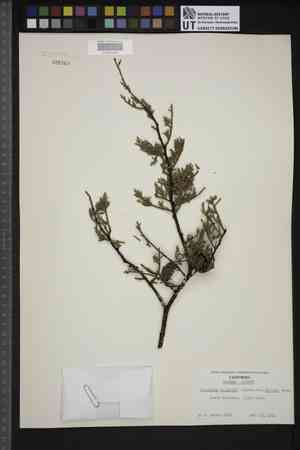

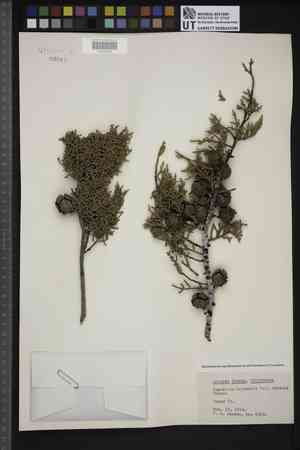
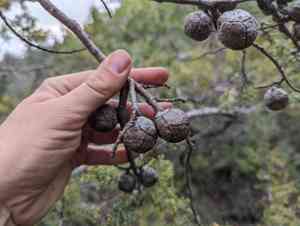
Quickly Identify Sargent's cypress
1
Identifying Cupressus sargentii can be done by examining its densely branched, conical crown and scale-like, dark green foliage. The bark is thin, gray, and tends to flake off in strips. The cones are woody, round to oval, and about 1 inch in diameter.
Scientific Classification of Sargent's cypress
Phylum
Vascular plants
Class
Conifers
Order
Pinales
Family
Cypress
Genus
Cypresses
Species
Sargent's cypress
Planting and Growing of Sargent's cypress
Care Difficulty
Easy
Watering Schedule
Every 2 days
Sunlight Requirements
Full sun
Sunshine Duration
6-12 hours
Ideal Temperature
50-70℉
Soil Type
Potting Mix, Peat Mix
Soil pH
6.5-7.5
Fertilizer Type
Balanced
Pruning Season
Spring, Summer
Pruning Area
Branches, Leaves
Pruning Frequency
2 times a year
Repotting Season
Spring
Pot Type
Plastic, Ceramic
 How to Water Sargent's cypress?
Cupressus sargentii prefers a deep watering approach. This means you should aim to thoroughly soak the soil with about 1000 milliliters of water, ensuring that the moisture reaches the root zone. The key is to avoid leaving the soil waterlogged; allow excess water to drain away. It’s better to give the plant a thorough soaking and then let the soil dry out somewhat before the next watering.
What are the symptoms of an underwatered Sargent's cypress?
›
What should I do if my Sargent's cypress is not getting enough water?
›
What are the symptoms of an overwatered Sargent's cypress?
›
How to save an overwatered Sargent's cypress?
›
 What Are the Sunlight Requirements for Sargent's cypress?
Cupressus sargentii ideally thrives in full sun, enjoying up to eight hours of sunlight. This exposure significantly benefits the plant by bolstering photosynthesis, resulting in denser foliage and robust overall growth.
More About Sunlight Requirements Techniques→
What is the optimal light condition for Cupressus sargentii?
›
How can I adjust the surroundings to achieve ideal light conditions?
›
What benefits arise from ideal lighting for Cupressus sargentii?
›
 What Is the Ideal Temperature Range for Sargent's cypress?
Cupressus sargentii thrives best in a temperature range between 50°F and 70°F. This range supports optimal physiological functions, ensuring healthy growth and development. The moderate temperatures allow for efficient photosynthesis and nutrient uptake, providing the tree with the necessary conditions to thrive.
 What Soil is Best for Sargent's cypress?
Cupressus sargentii thrives in well-draining soil as it prevents waterlogging, which can harm roots and lead to root rot. Ensuring good drainage supports healthy root development and growth. Rich soil ensures that Cupressus sargentii receives the necessary nutrients for robust growth. A balance of organic matter and minerals enhances foliage density and overall plant vigor. While drainage is crucial, the soil should still retain some moisture to sustain prolonged growth periods. The right moisture balance aids in nutrient absorption and stress reduction in dry spells.
 How to Fertilize Sargent's cypress?
Cupressus sargentii requires a balanced approach to fertilization. Use a 10-10-10 NPK fertilizer at a rate of 1 pound per inch of trunk diameter. Make sure to apply the fertilizer evenly over the root zone to avoid damaging the roots.
 How to Prune Sargent's cypress?
Use sharp and clean pruning shears or loppers for best results. This will ensure clean cuts and prevent infection or damage to the plant. Ensure the tools are appropriate for the thickness of the branches. Begin pruning from the top of the tree. Trim back any excessively long branches to preserve the plant's natural shape. Work your way downward, ensuring symmetry and balance throughout. Identify and remove any dead, diseased, or damaged branches. This will prevent the spread of diseases and improve the overall health of the plant. Dispose of these branches properly to avoid contaminating other plants.
More About Pruning Techniques→
 How to Propagate Sargent's cypress plant?
1
Collect seeds from mature Cupressus sargentii cones when they are fully dry. Ensure seeds are viable by testing them in water; viable seeds tend to sink.
2
Select healthy, semi-hardwood cuttings about 6-8 inches long. Remove lower leaves and dip the cut end in rooting hormone to stimulate root growth.
3
Place seeds or cuttings in a propagation tray filled with a well-draining medium. Keep them in a warm, indirect light environment and maintain consistent humidity.
 How to Repot Sargent's cypress plant?
1
Look to repot Cupressus sargentii when you notice roots coming out of the drainage holes, the plant appearing top-heavy, or the soil drying out too quickly. These are clear indicators that your plant needs more space to grow and thrive effectively.
2
Choose a pot that's 2-3 inches larger in diameter than the current one with sufficient drainage holes. A well-sized pot provides room for growth and prevents waterlogging, which is crucial for the root health of this plant, helping prevent root rot.
3
Opt for sandy, well-draining soil with a slightly acidic to neutral pH. Good drainage prevents water accumulation, reducing the risk of root diseases, and allows roots to access nutrients efficiently, promoting strong and healthy new growth.



