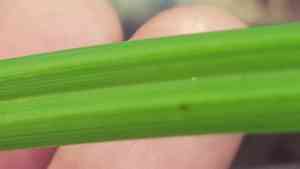
Fringed sedge (Carex crinita)
Also known as: Fringed Sedge
Tussock sedge is a resilient perennial found in wet areas across North America. This hardy sedge thrives in standing water and flood conditions while being deer and pest-resistant. It grows well in both full sun and partial shade, provided the soil remains moist or wet.
In This Article
Attributes of Fringed sedge
Lifespan
Perennial
Plant Type
Grass
Plant Height
30 cm to 91 cm
Spread
30 cm to 60 cm
Leaf Color
Green
Flower Size
10 cm
Flower Color
Green Brown White Yellow Cream
Images of Fringed sedge
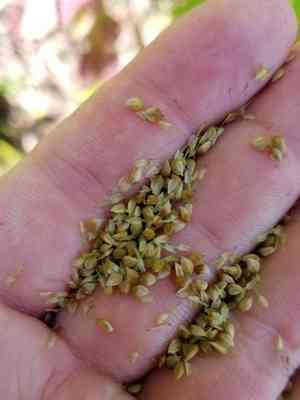
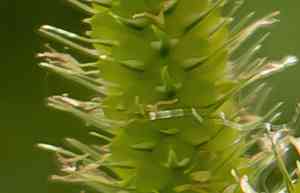
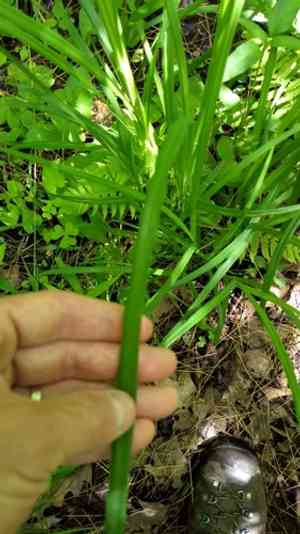
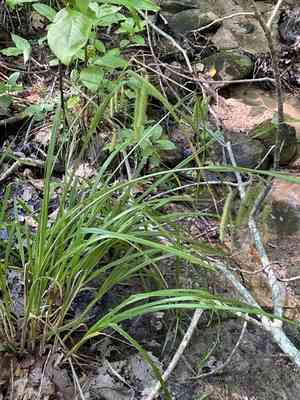
Quickly Identify Fringed sedge
1
Identify Fringed Sedge by its long, arching, narrow leaves that can be up to 3 feet long. The plant has a distinctive flowering spike with fringed scales, and it often forms dense clumps.
Scientific Classification of Fringed sedge
Phylum
Vascular plants
Class
Monocotyledons
Order
Poales
Family
Sedge
Genus
True sedges
Species
Fringed sedge
Planting and Growing of Fringed sedge
Care Difficulty
Moderate
Watering Schedule
Every 6 days
Sunlight Requirements
Full shade
Sunshine Duration
6-10 hours
Ideal Temperature
60-75℉
Soil Type
Potting Mix, Peat Mix
Soil pH
6-8
Fertilizer Type
Balanced
Pruning Season
Spring, Summer
Pruning Area
Branches, Leaves
Pruning Frequency
2 times a year
Repotting Season
Spring
Pot Type
Plastic, Ceramic
 How to Water Fringed sedge?
For Carex crinita, ensuring a consistent moisture level is crucial. Aim to water thoroughly so the soil is evenly moist but not waterlogged. Typically, 500 ml per watering should suffice, making sure the top inch of the soil is always moist but not soggy.
What are the symptoms of an underwatered Fringed sedge?
›
What should I do if my Fringed sedge is not getting enough water?
›
What are the symptoms of an overwatered Fringed sedge?
›
How to save an overwatered Fringed sedge?
›
 What Are the Sunlight Requirements for Fringed sedge?
Carex crinita thrives in conditions ranging from full shade to partial sun. Maintaining this light range ensures robust growth and vibrant foliage as it replicates the natural dappled sunlight of its woodland habitat.
More About Sunlight Requirements Techniques→
What type of light does Carex crinita prefer?
›
How can you ensure Carex crinita gets the right amount of light?
›
What are the benefits of providing the ideal lighting to Carex crinita?
›
 What Is the Ideal Temperature Range for Fringed sedge?
Carex crinita thrives in a moderate climate, typically between 60°F and 75°F. These temperatures help maintain the plant's growth and ensure that its natural processes function effectively.
 What Soil is Best for Fringed sedge?
Carex crinita thrives in soil that retains moisture without becoming waterlogged. This aids in providing consistent moisture essential for growth and prevents stress from drought conditions, promoting lush foliage. A rich composition of organic matter in the soil is crucial for Carex crinita as it provides necessary nutrients and supports a healthy root system, thereby enhancing the plant's overall vigour and robustness. Well-drained soil prevents root rot and other moisture-related diseases in Carex crinita. Proper drainage ensures that the water balance is maintained, promoting optimal growth and plant health.
 How to Fertilize Fringed sedge?
Carex crinita, also known as fringed sedge, requires a modest amount of fertilizer. Typically, one should apply a half-strength balanced liquid fertilizer during its growth period in the spring. Use approximately 50-100 ml of diluted liquid fertilizer per plant depending on its size.
 How to Prune Fringed sedge?
Prune Carex crinita during periods of dormancy or slower growth, ideally in early spring before new shoots appear or late autumn after most foliage has died back. Begin by inspecting the plant for discolored, wilted, or diseased leaves. These should be carefully cut away to prevent the spread of disease and improve aesthetic appeal. While maintaining its natural silhouette, trim back overly long or distracting leaves. Cut them back to a leaf node or base without drastically changing the plant's natural form. After the initial pruning, consider a light cutback to stimulate fresh, vigorous growth. This should not exceed more than one-third of the plant's current size at any time.
More About Pruning Techniques→
 How to Propagate Fringed sedge plant?
1
Choose a healthy, mature plant clump for division. Look for plants that have outgrown their space or are showing reduced vigor due to competition within the clump.
2
Using a gardening spade, carefully dig around the clump to loosen the roots. Lift the clump out of the ground, shaking off excess soil to expose the root structure for easier division.
3
With the hand pruners, carefully divide the root mass into smaller sections, ensuring each section has healthy roots and shoots. Remove any dead or damaged roots before replanting them.
 How to Repot Fringed sedge plant?
1
You should consider repotting Carex crinita when its roots start poking out of the drainage holes, or if the plant shows a noticeable decrease in growth. Spring and autumn are ideal as these seasons allow the plant to recover quickly from the disturbance.
2
Select a pot that is one size larger than the current one, ensuring it has sufficient drainage holes. A slightly larger pot ensures that the plant's roots have ample space to expand, which supports healthy growth and stability.
3
Opt for moist, well-drained soil containing organic matter. This type of soil retains adequate moisture for the plant while preventing root rot, offering a perfect balance of air and water for healthy root development.



