Capsicum (Capsicum) (Capsicum)
Also known as: Bell pepper, Chili pepper, Cayenne, Sweet pepper, Paprika
Capsicum annuum plants typically reach up to 1.5 meters in height and exhibit a bushy subshrub growth form, often stretching upwards. The lower parts of the plant can become woody. The leaves are generally pointed, ranging from 5 to 25 cm in length and 3 to 15 cm in width.
Capsicum chinense plants, due to extensive domestication and selection, show significant variability. Generally, these plants grow between 45 cm and 75 cm tall. They have a highly branched structure with numerous secondary shoots, giving them a broad, bushy appearance.
In This Article
Attributes of Capsicum (Capsicum)
Lifespan
Annual
Plant Height
60 cm
Spread
40 cm
Leaf Color
Green
Flower Size
1 to 2 centimeters
Flower Color
White, Purple
Images of Capsicum (Capsicum)
Quickly Identify Capsicum (Capsicum)
1
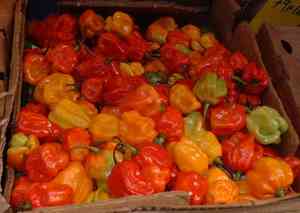
Capsicum plants can be identified by their glossy, typically bright green or red fruits, lance-shaped leaves, and their small, white or purple, star-shaped flowers.
Scientific Classification of Capsicum (Capsicum)
Phylum
Magnoliophyta
Class
Magnoliopsida
Order
Solanales
Family
Solanaceae
Genus
Capsicum
Planting and Growing of Capsicum (Capsicum)
Care Difficulty
Moderate
Watering Schedule
Every 6 days
Sunlight Requirements
Full sun
Sunshine Duration
4-8 hours
Ideal Temperature
70-85℉
Soil Type
Potting Mix, Peat Mix
Soil pH
6.5-7.5
Fertilizer Type
Balanced
Pruning Season
Spring, Summer
Pruning Area
Branches, Leaves
Pruning Frequency
2 times a year
Repotting Season
Spring
Pot Type
Plastic, Ceramic
 How to Water Capsicum (Capsicum)?
Capsicum plants require a generous watering of about 500 ml each time. Ensure the soil is evenly moist but not soggy, allowing excess water to drain out completely. Maintaining soil moisture without waterlogging is critical for healthy growth. It's advisable to wait until the top inch of the soil feels dry to touch before watering again.
What are the symptoms of an underwatered Capsicum (Capsicum)?
›
What should I do if my Capsicum (Capsicum) is not getting enough water?
›
What are the symptoms of an overwatered Capsicum (Capsicum)?
›
How to save an overwatered Capsicum (Capsicum)?
›
 What Are the Sunlight Requirements for Capsicum (Capsicum)?
Capsicum thrives in full sun, benefiting from 6 to 8 hours daily. Adequate sunlight promotes vigorous growth, enhances flowering, and increases fruit yield, greatly contributing to the plant's overall health.
What is the preferred daylight?
›
How to ensure adequate sunlight exposure?
›
Benefits of adequate sunlight?
›
 What Is the Ideal Temperature Range for Capsicum (Capsicum)?
For the optimal growth of Capsicum plants, it is essential to maintain a temperature range between 70°F and 85°F. Within this range, the plant can effectively perform photosynthesis, uptake nutrients, and grow healthily. Temperatures in this range support robust root development and ensure that the plant produces more blossoms, leading to higher fruit yields.
 What Soil is Best for Capsicum (Capsicum)?
Capsicum plants benefit greatly from well-draining soil as it prevents root rot, which can be fatal to the plant. A soil mix with good drainage ensures that excess water moves away from the root zone, keeping the roots healthy and oxygenated. Soil rich in organic matter such as compost or well-rotted manure provides essential nutrients for Capsicum growth. These nutrients support the plant's development, ensuring robust fruit production and overall health, making your Capsicum plants thrive. Capsicum requires soil that retains moisture yet does not become waterlogged. Consistent but moderate moisture levels help in steady growth and prevent stress caused by drought conditions, leading to better yield and quality of fruits.
 How to Fertilize Capsicum (Capsicum)?
The ideal fertilizer amount for Capsicum plants should be around 1-2 teaspoons per gallon of water for liquid fertilizers. When using solid fertilizers, a light sprinkling of around 1/4 cup per plant, evenly spread, is recommended. It's essential to start with the lower end of the range to evaluate how the plant responds, avoiding any potential stress or nutrient burn.
 How to Prune Capsicum (Capsicum)?
Focus on removing the parts of the plant that are dead, damaged, or diseased. Additionally, trim back any overgrown branches to maintain the desired shape and size of the Capsicum plant. Start by cutting about 1/4 inch above the bud to encourage new growth. Make cuts at an angle to allow water to run off, reducing the chance of infection in cut areas. Remove any suckers around the plant's base that draw energy away from fruit production. To optimize fruit production, continuously remove small, underdeveloped peppers and extra foliage that shade larger, healthier fruit. This approach maximizes nutrient distribution to the ripening peppers, enhancing size and taste.
 How to Propagate Capsicum (Capsicum) plant?
1
Begin by filling a seed tray with quality potting mix. Moisten the soil, and then place Capsicum seeds evenly across the surface. Cover lightly with more potting mix and mist gently.
2
Select healthy stems from a mature Capsicum plant. Using pruning shears, cut a 4-6 inch section just below a node. Remove lower leaves and dip the end in rooting hormone before planting in soil.
3
Once seedlings are about 2-3 inches tall, they can be transplanted. Gently remove them from the tray, and plant them in individual pots or directly into the ground with well-draining soil.
 How to Repot Capsicum (Capsicum) plant?
1
Capsicum plants need repotting when their roots start peeking out of the bottom of the pot or when the plant stops growing. You might also notice that the soil is not retaining moisture as it used to, indicating it's time for fresh soil.
2
Select a pot that is 1-2 inches larger in diameter than the current one to give the roots space to grow. Ensure the pot has drainage holes to prevent waterlogging, which can lead to root rot.
3
Opt for well-draining potting soil that's rich in organic matter. A mix designed for tomatoes and peppers is ideal as it supports Capsicum's need for nutrients and good drainage, promoting healthy growth.
Toxicity
Ingestion
WARNING
The judgment on toxicity and danger is for reference only. We DO NOT GUARANTEE any accuracy of such judgment. Therefore, you SHALL NOT rely on such judgment. It is IMPORTANT TO SEEK PROFESSIONAL ADVICE in advance when necessary.
Learn More About Capsicum (Capsicum) Diseases
Anthracnose
Bacterial Leaf Spot
Bacterial Soft Rot
Bacterial Wilt
Chemical Injury
Damping-off
Downy Mildew
Drought Stress
Fusarium Wilt
Gray Mold
Late Blight
Leaf Curl
Leaf Spot
Mosaic
Nutrient Deficiency
Nutrient Toxicity
Powdery Mildew
Root Rot
Root-knot Nematode
Sooty Mold
Spider Mites
Temperature Stress
Thrips Damage
White Mold

