Beck's water-marigold (Bidens beckii)
Also known as: Water wheel plant, Beck's Water Marigold
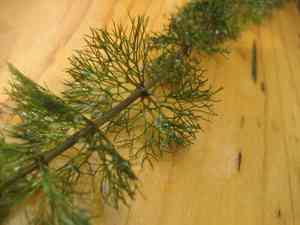
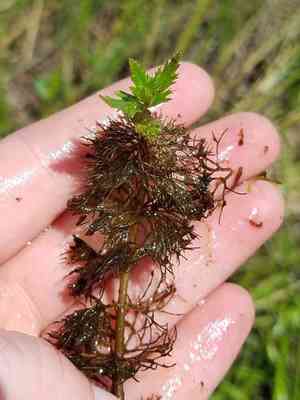
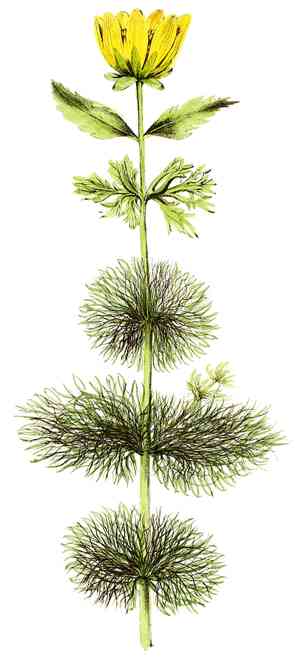
Bidens beckii, commonly known as water marigold, is a perennial herb that can reach up to 2 meters in height. It thrives in stagnant or slow-moving water. The submerged leaves are finely divided and thread-like. The plant's stem usually extends about 15 cm above the water surface. Its above-water leaves are simple, oppositely arranged, lanceolate to ovate, and serrated, attaching directly to the stem without petioles.
In This Article
Attributes of Beck's water-marigold
Lifespan
Perennial
Plant Type
Herb
Plant Height
10 cm to 15 cm
Spread
N/A
Leaf Color
Green
Flower Size
Approximately 1-2 cm
Flower Color
Yellow Brown
Images of Beck's water-marigold
Quickly Identify Beck's water-marigold
1
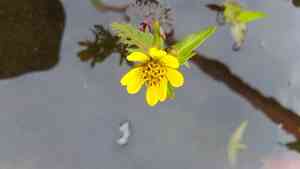
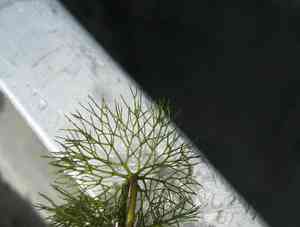
This plant can be identified by its finely-divided leaves that look feather-like and float near the water\'s surface. Another key feature is its small, yellow flowers that emerge from the water.
Scientific Classification of Beck's water-marigold
Phylum
Vascular plants
Class
Dicotyledons
Order
Asterales
Family
Daisy
Genus
Beggarticks
Species
Beck's water-marigold
Planting and Growing of Beck's water-marigold
Care Difficulty
Easy
Watering Schedule
Every 3 days
Sunlight Requirements
Partial sun
Sunshine Duration
6-12 hours
Ideal Temperature
65-75℉
Soil Type
Potting Mix, Peat Mix
Soil pH
6.5-7.5
Fertilizer Type
Balanced
Pruning Season
Spring, Summer
Pruning Area
Branches, Leaves
Pruning Frequency
2 times a year
Repotting Season
Spring
Pot Type
Plastic, Ceramic
 How to Water Beck's water-marigold?
Bidens beckii, an aquatic plant, thrives in environments where water is abundant yet balanced. Aim to provide it around 500 ml per watering to maintain steady moisture. This ensures the roots can access already oxygenated water, preventing stagnation and being neither waterlogged nor parched.
What are the symptoms of an underwatered Beck's water-marigold?
›
What should I do if my Beck's water-marigold is not getting enough water?
›
What are the symptoms of an overwatered Beck's water-marigold?
›
How to save an overwatered Beck's water-marigold?
›
 What Are the Sunlight Requirements for Beck's water-marigold?
Partial sun with filtered light is ideal for Bidens beckii. Proper light facilitates photosynthesis, boosting growth, resilience, and encouraging vibrant blooms.
How much sun does Bidens beckii need?
›
What are the best ways to provide ideal light?
›
Benefits of ideal lighting for Bidens beckii
›
 What Is the Ideal Temperature Range for Beck's water-marigold?
The ideal temperature range for Bidens beckii is generally between 65°F to 75°F. Within this range, the plant experiences optimal growth and development, with enhanced photosynthetic activity and cellular functions. Ensuring temperatures remain stable within this range can significantly reduce stress and support robust health.
 What Soil is Best for Beck's water-marigold?
Bidens beckii thrives in well-drained soil as it allows for adequate water passage, preventing root rot and promoting optimal nutrient uptake. Such soil mimics the plant's natural environment, ensuring healthy growth. This plant benefits from nutrient-rich soil, which supports its vigorous growth and flowering. A balanced mix of macro and micronutrients fosters strong stems and vibrant foliage, enhancing its overall appearance. While the soil should drain well, it should also retain some moisture to support Bidens beckii during dry periods. This balance helps maintain consistent hydration and prevents stress.
 How to Fertilize Beck's water-marigold?
Bidens beckii requires a careful balance of nutrients to thrive. Use a water-soluble fertilizer with a balanced N-P-K ratio like 10-10-10, applying it at a concentration of 50 ppm. Do not exceed this concentration to avoid harming the plant's delicate aquatic environment.
 How to Prune Beck's water-marigold?
Begin by selecting a sharp pair of scissors or pruning shears. Examine the plant for any dead or discolored leaves, and start by removing these. Follow by trimming back any overly long stems to maintain neatness and a compact shape. Always cut just above a leaf node to encourage new growth.
More About Pruning Techniques→
 How to Propagate Beck's water-marigold plant?
1
Select a healthy parent plant to take cuttings or divisions from. Ensure the plant is well-hydrated a few days before propagation to facilitate better recovery and growth.
2
Use a sharp knife or scissors to cut a stem 4-6 inches long for cuttings, or separate a section of the plant's root ball for division. Be gentle to avoid damaging other parts of the plant.
3
Dip the cut end of the stem or the separated root section in rooting hormone to encourage root growth. This step is crucial for increasing the success rate of root initiation.
 How to Repot Beck's water-marigold plant?
1
Bidens beckii, also known as water marigold, shows signs of needing a new pot when growth slows or roots emerge through drainage holes. The best time to repot is during active growth in spring or early summer, when the plant can quickly establish itself in fresh soil.
2
Select a pot that is one size larger than the current one to allow space for growth. It should have adequate drainage holes to prevent waterlogging, crucial for aquatic plants like Bidens beckii. A wider pot ensures safe positioning in the water garden or pond.
3
A rich, loamy aquatic potting mix is ideal. This mix retains enough moisture without becoming soggy, providing nutrients essential for Bidens beckii's growth and supporting robust root development.
Learn More About Beck's water-marigold Diseases
Anthracnose
Bacterial Leaf Spot
Bacterial Soft Rot
Bacterial Wilt
Chemical Injury
Damping-off
Downy Mildew
Drought Stress
Fusarium Wilt
Gray Mold
Leaf Spot
Mosaic
Nutrient Deficiency
Nutrient Toxicity
Powdery Mildew
Root Rot
Root-knot Nematode
Rusts
Sooty Mold
Spider Mites
Temperature Stress
Thrips Damage
White Mold



