How to Prune Beck's water-marigold?
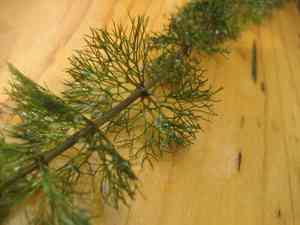
Beck's water-marigold flourishes optimally with consistent trimming to control its size and well-being, preferably in the spring and summer seasons. Cut back any excessively long or compromised stalks to stimulate more robust, compact expansion and flowering. Discard any withered leaves to avert illness. Prune liberally to avert congestion in aquatic environments, guaranteeing adequate water circulation and light access. In essence, routine pruning will elevate the plant's visual charm and vigor.
What Are the Benefits of Pruning Beck's Water-marigold?
What Are the Benefits of Pruning Beck's Water-marigold?
Trimming beck's water-marigold helps maintain its form and encourages robust development. It also lessens congestion, ensuring better water flow, which deters pests and diseases. Consistent cutting promotes stronger, healthier growth, enhancing the look and vigor of beck's water-marigold.
What Is the Best Time for Pruning Beck's Water-marigold?
What Is the Best Time for Pruning Beck's Water-marigold?
Pruning or trimming beck's water-marigold in Spring aligns with its initial growth phase, fostering healthy new development and allowing the plant ample time to recover and thrive during the growing season. Summer pruning can aid in shaping the plant and managing its size, especially after its first bloom, ensuring it stays healthy and well-kept. This timing avoids periods just before flowering and fruiting, reducing plant stress and enabling it to direct energy into blooming and seed production. Pruning during these seasons helps improve the plant's overall structure and vitality.
What Tools Do I Need to Prune Beck's Water-marigold?
Bypass Pruners
Perfect for clean cuts on live, green stems of beck's water-marigold without harming the plant.
Aquatic Scissors
Specifically designed for submerged plants like beck's water-marigold, allowing precise trimming underwater.
Long-handled Trimmers
Useful for reaching and managing the spread of beck's water-marigold without wading deep into the water.
Pruning Knife
Effective for delicate trimming and ensuring smooth edges on cut surfaces, minimizing damage to beck's water-marigold.
Cut-resistant Gloves
Essential for hand protection when handling and cutting through dense areas of beck's water-marigold.
How to Prune Beck's Water-marigold
Inspection
Carefully examine beck's water-marigold for any indications of diseased leaves, withered leaves, and diseased stems. Look for discoloration, spots, or any unusual malformations.
Sterilization
Before pruning, sanitize your pruning tools with rubbing alcohol or a bleach solution to prevent disease transmission.
Removal Diseased Leaves
Using sterilized pruning shears, remove all diseased leaves by cutting them off close to their base. Ensure you dispose of the diseased foliage away from your garden to prevent contamination.
Removal Withered Leaves
Trim away withered leaves by cutting them off at the point where they meet healthy parts of the plant. Identifying and removing these helps the plant to divert energy to healthy growth.
Removal Diseased Stems
Carefully cut out any diseased stems. Make clean cuts just above a healthy node to avoid leaving stubs, which could harbor disease. Dispose of the diseased stems properly.
Common Pruning Mistakes with Beck's Water-marigold
Improper Technique
Many gardeners err by using dull or dirty pruning tools. This can cause jagged cuts that may lead to infections. It's crucial to use sharp, sterilized tools for clean cuts.
Incorrect Timing
Pruning at the wrong time can stress the plant and hinder its growth. While the optimal season for pruning is covered elsewhere, avoid pruning during extreme weather, such as intense heat or cold.
Excessive Pruning
Over-pruning can shock the plant and diminish its vigor. Removing too much foliage can limit photosynthesis, which is vital for the plant's health.
Neglecting Deadheading
Failing to remove spent flowers can divert energy away from new growth and blooming. Regular deadheading is necessary to encourage continuous flowering.
Ignoring Plant Structure
Pruning without considering the natural shape and structure can result in an unattractive and unhealthy plant. Understanding the plant's growth habit and following its natural form is key.
Common Pruning Tips for Beck's Water-marigold
Use Clean Tools
Always use sharp and sterilized pruning shears. This helps to make precise cuts and prevent disease transmission.
Remove Dead and Diseased Parts
Regularly inspect beck's water-marigold and remove any dead or diseased stems and leaves to maintain plant health.
Moderation is Key
Avoid taking off more than a third of the plant at a time. This helps prevent shock and allows the plant to recover more effectively.
Encourage Airflow
Thinning out overcrowded areas can improve air circulation around the plant, reducing the risk of fungal diseases.
Regular Deadheading
Remove spent flowers to encourage more blooms and prevent the plant from using energy to produce seeds instead of new growth.
Follow Natural Growth
Prune in a way that maintains beck's water-marigold's natural shape and structure. This not only preserves its aesthetic appeal but also supports its overall health.



