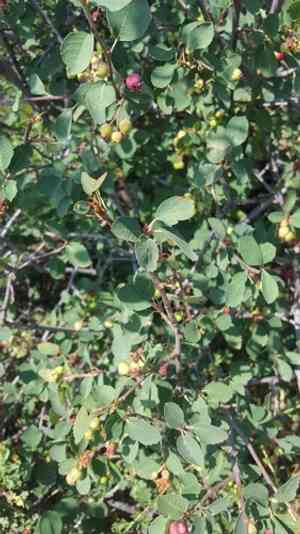
Utah Serviceberry (Amelanchier utahensis)
Also known as: Western Serviceberry, Shadbush, Utah Shadberry
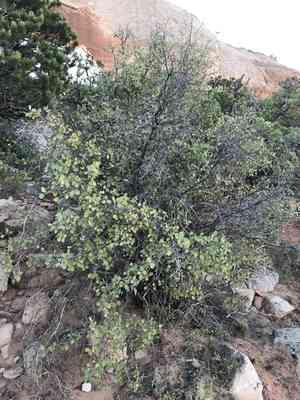
The Utah Serviceberry shrub (Amelanchier utahensis) is a resilient, drought-tolerant plant. In spring, it produces attractive white blossoms, which later give way to edible, blue-black berries. During the fall, its foliage transforms into striking shades of red or yellow. This shrub thrives in arid and semi-arid regions, preferring rocky or sandy soils, and flourishes in full sun to partial shade. It is commonly found at elevations ranging from 3,000 to 8,000 feet, particularly in mountainous and woodland areas.
In This Article
Attributes of Utah Serviceberry
Lifespan
Perennial
Plant Type
Shrub
Plant Height
91 cm to 4.5 m
Spread
1.8 m to 3 m
Leaf Color
Green
Flower Size
2.5 cm
Flower Color
White
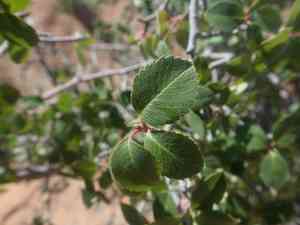
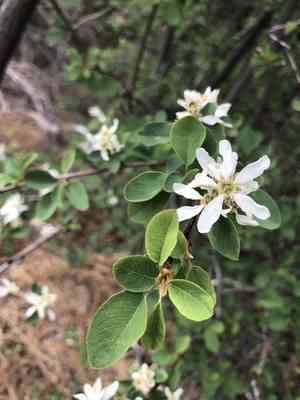
Images of Utah Serviceberry
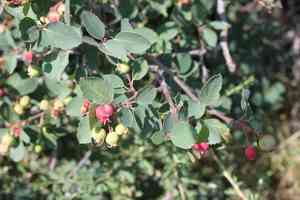
Quickly Identify Utah Serviceberry
1
Look for a shrub or small tree with white to slightly pink flowers in clusters. Leaves are simple, oval to elliptic, and serrated on the edges. The bark is smooth and grayish to brown. Fruits are small, round, and dark purple to black when ripe.
Scientific Classification of Utah Serviceberry
Phylum
Vascular plants
Class
Dicotyledons
Order
Rosales
Family
Rose
Genus
Shadbushes
Species
Utah Serviceberry
Planting and Growing of Utah Serviceberry
Care Difficulty
Easy
Watering Schedule
Every 2 days
Sunlight Requirements
Full sun
Sunshine Duration
4-8 hours
Ideal Temperature
50-75℉
Soil Type
Potting Mix, Peat Mix
Soil pH
6.5-7.5
Fertilizer Type
Balanced
Pruning Season
Spring, Summer
Pruning Area
Branches, Leaves
Pruning Frequency
2 times a year
Repotting Season
Spring
Pot Type
Plastic, Ceramic
 How to Water Utah Serviceberry?
For Amelanchier utahensis, water until the topsoil is moist about 2 inches down. This typically means using about 500 milliliters of water at each interval. The soil should be kept moist, but not waterlogged, ensuring the roots are hydrated but not drowning.
What are the symptoms of an underwatered Utah Serviceberry?
›
What should I do if my Utah Serviceberry is not getting enough water?
›
What are the symptoms of an overwatered Utah Serviceberry?
›
How to save an overwatered Utah Serviceberry?
›
 What Are the Sunlight Requirements for Utah Serviceberry?
Amelanchier utahensis thrives with 6 to 8 hours of sunlight, benefiting from a mix of full and partial sun. Ideal lighting conditions support healthy growth and enhance flowering potential.
More About Sunlight Requirements Techniques→
What is the ideal light setting for Amelanchier utahensis?
›
How can I achieve this ideal light condition?
›
What benefits does ideal light provide for this plant?
›
 What Is the Ideal Temperature Range for Utah Serviceberry?
Amelanchier utahensis thrives best between the temperatures of 50°F and 75°F. This range provides optimal conditions for physiological processes, photosynthesis, and metabolic activities, leading to healthy growth and development. Maintaining these temperatures supports robust foliage and blooming cycles.
 What Soil is Best for Utah Serviceberry?
Amelanchier utahensis thrives in well-draining soil, which prevents root rot by allowing excess water to escape. Ensuring good drainage helps in maintaining healthy roots and encourages robust plant growth. This plant prefers soil with moderate fertility, supporting its growth while avoiding excessive foliage production. Balanced nutrient levels promote healthy blooming and fruit production. A slightly acidic to neutral pH, between 6.5 and 7.5, is ideal for Amelanchier utahensis. This range allows optimal nutrient uptake, keeping the plant healthy and productive.
 How to Fertilize Utah Serviceberry?
For Amelanchier utahensis, the optimal fertilization amount depends on the size and age of the plant, as well as the existing soil conditions. Typically, use a balanced fertilizer with an N-P-K ratio of 10-10-10. Apply 2 tablespoons per square foot of soil area for mature plants, keeping in mind to adjust for younger or smaller specimens.
 How to Prune Utah Serviceberry?
Begin by removing any dead or diseased branches. Use clean, sharp pruning shears to make your cuts. Focus on enhancing the plant's natural shape, thinning any densely packed areas to improve air circulation. This also allows sunlight to reach the inner branches. Lastly, aim to cut back any growth that detracts from the shape you desire. To stimulate new growth, cut back the main stems by no more than one-third. Make your cuts at an angle just above a healthy bud, which encourages the plant to direct growth energy into producing new shoots. Avoid cutting too close to a bud, as this can damage the bud and hinder growth.
More About Pruning Techniques→
 How to Propagate Utah Serviceberry plant?
1
Collect seeds from mature Amelanchier utahensis plants when the fruits have ripened. Seeds should be thoroughly cleaned and dried before storage or immediate sowing. This process ensures that no pulp remains to cause mold during germination.
2
Select a healthy stem from the parent plant and cut it just below a node. The cutting should be about 10 to 15 cm long with at least two leaf nodes. Removing leaves from the lower part of the cutting helps prevent rotting when inserted into the growing medium.
3
To propagate by layering, select a low-growing branch and bend it to the ground. Make a small wound on the section to be buried to encourage rooting. Cover the wound with soil, ensuring the tip of the branch remains above the ground to continue growth.
 How to Repot Utah Serviceberry plant?
1
Repotting Amelanchier utahensis is best done when you notice roots circling the pot or coming out of the drainage holes. Another signal is if the plant's growth has noticeably slowed down, indicating it may be root-bound and require more space to thrive.
2
Select a pot that is about one size larger than the current one. Ensure it has good drainage to prevent waterlogging, which can lead to root rot. A slightly larger size gives roots more room to expand, promoting healthier growth.
3
Pick a well-draining potting mix that can retain some moisture yet allows excess water to drain away. The right balance prevents both water stress and root rot, optimizing plant health while maintaining adequate hydration.



