How Much Sunlight Do Utah Serviceberry Need?
1
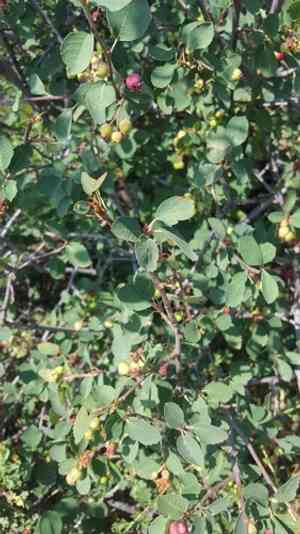
Utah Serviceberry flourishes optimally with ample sunlight, requiring more than 6 hours of direct sun daily.
2
Under partial shade, Utah Serviceberry can still develop, though fruit production may be diminished.
3
Indications of excessive sun exposure include scorched leaves, whereas inadequate light can result in stunted development.
Best Light Conditions for Utah Serviceberry
Full Sun vs. Partial Shade
The Utah Serviceberry, a hardy and adaptable shrub, thrives best in full sun. Full sun means the plant should receive at least six hours of direct sunlight daily. In these conditions, you'll observe a healthier, more vibrant plant with ample foliage and a plentiful harvest of beautiful berries. However, the Utah Serviceberry is also known for its flexibility and can endure partial shade. If planted in partial shade, defined as receiving three to six hours of sun per day, expect the plant to be somewhat lankier with potentially fewer fruits.
Optimal Daily Sunlight Duration
For peak growth and berry yield, the Utah Serviceberry should ideally soak up the sun for over six hours each day. This amount of sunlight promotes robust branch development and abundant blooms, which in turn lead to a generous berry harvest. These hours can be continuous or split between morning and afternoon, but consistent exposure is crucial for thriving health.
How to Position Your Utah Serviceberry for Ideal Sun Exposure
Selecting the Right Spot
The placement of your Utah Serviceberry can significantly affect its health and productivity. Choose a garden location that receives the maximum possible sunlight daily. South-facing areas are generally perfect in the Northern Hemisphere as they get the most prolonged and intense sunlight. Avoid planting the shrub near large trees or structures that could cast shadows and reduce available light.
Adjusting for Seasonal Light Changes
As seasons shift, so do the angle and duration of sunlight. This can impact how much light your Utah Serviceberry receives throughout the year. Early spring and late fall often have fewer sunlight hours, so consider moving potted plants or trimming nearby vegetation to compensate for these changes. Deciduous trees can offer beneficial shade in summer while allowing more light during leafless winter months.
Indications Your Utah Serviceberry is Receiving Too Much or Too Little Sun
Symptoms of Sun Damage in Utah Serviceberry
Like other plants, the Utah Serviceberry can suffer from excessive sun. Symptoms of sun damage include crispy, brown, or bleached spots on the leaves, especially those areas most exposed to direct light. If you notice such signs, consider providing some afternoon shade during the hottest part of the day or use a shade cloth to protect the plant.
Signs of Insufficient Sunlight
Conversely, inadequate sunlight can cause the Utah Serviceberry to become leggy, meaning it develops long stems with fewer leaves. Additionally, you might observe lower berry production and pale, underdeveloped leaves. If the plant appears weak and straggly, it's likely due to a lack of sufficient sunlight.
Corrective Actions for Sunlight Issues
To remedy sunlight problems, begin by ensuring the Utah Serviceberry is situated in the best possible location for sunlight. Prune or trim surrounding plants and trees to minimize shade. If necessary, move the plant to a sunnier spot. For sun-damaged plants, introducing partial shade during peak sunlight hours can help alleviate stress and prevent further harm.
Boosting Sunlight Absorption for Healthier Growth
Pruning Advice to Maximize Sun Exposure
Regular pruning is vital for improving sunlight penetration and air circulation within the Utah Serviceberry. Prune away any overcrowded or weak branches, especially in the inner canopy, to allow more light to reach deeper parts of the plant. This not only ensures healthier growth but also aids in producing a better yield of berries.
Soil and Ground Cover Considerations
The type of soil and ground cover around your Utah Serviceberry can also influence its sunlight absorption. Ensure the soil drains well to prevent waterlogging, which can hinder root health and reduce the plant's ability to absorb nutrients. Using mulch can help regulate soil temperature and moisture levels, decreasing the risk of dehydration during hot summer days, thus allowing more effective use of absorbed sunlight.



