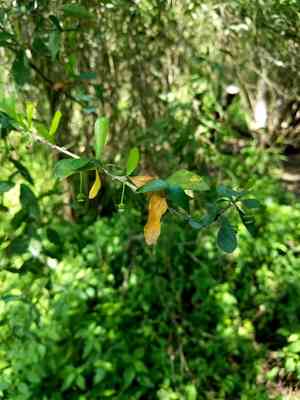
Vasey's wild lime (Adelia vaseyi)
Also known as: Vasey's Adelia, Rock Adelia
Vasey's wild lime (Zanthoxylum parvum) is classified as a vulnerable species in Texas primarily due to the extensive loss of its natural habitat. This habitat degradation is largely driven by urban development and agricultural practices. While it is native to Texas, the species can also be found in certain regions of Mexico. Vasey's wild lime produces flowers from winter through summer, which later develop into fruits.
In This Article
Attributes of Vasey's wild lime
Lifespan
Perennial
Plant Type
Shrub
Plant Height
1.5 to 2 meters
Spread
1 to 1.5 meters
Leaf Color
Dark green on top, lighter green underneath
Flower Size
0.5 centimeters
Flower Color
White Green
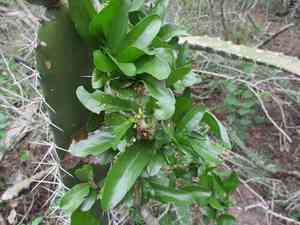
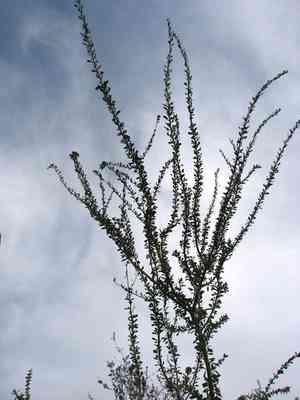
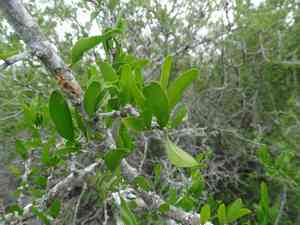
Images of Vasey's wild lime
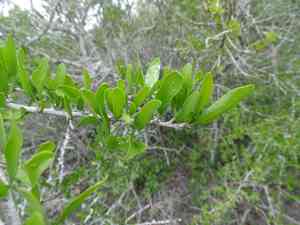
Quickly Identify Vasey's wild lime
1
Adelia vaseyi can be identified by its small, ovate leaves, which are a darker green on top and lighter underneath. Its flowers are small and inconspicuous, typically yellowish-green in color. It often grows in dense clumps.
Scientific Classification of Vasey's wild lime
Phylum
Vascular plants
Class
Dicotyledons
Order
Malpighiales
Family
Spurge
Genus
Wild lime
Species
Vasey's wild lime
Planting and Growing of Vasey's wild lime
Care Difficulty
Easy
Watering Schedule
Every 2 days
Sunlight Requirements
Partial sun
Sunshine Duration
4-6 hours
Ideal Temperature
65-75℉
Soil Type
Potting Mix, Peat Mix
Soil pH
6.5-7.5
Fertilizer Type
Balanced
Pruning Season
Spring, Summer
Pruning Area
Branches, Leaves
Pruning Frequency
2 times a year
Repotting Season
Spring
Pot Type
Plastic, Ceramic
 How to Water Vasey's wild lime?
Adelia vaseyi should receive about 250 ml of water each time to ensure the soil is sufficiently moist but not waterlogged. This amount is based on maintaining a moderately moist environment where water drains well while the soil remains slightly damp. The goal is to keep the soil in a state where it's moist but doesn't remain soggy between waterings.
What are the symptoms of an underwatered Vasey's wild lime?
›
What should I do if my Vasey's wild lime is not getting enough water?
›
What are the symptoms of an overwatered Vasey's wild lime?
›
How to save an overwatered Vasey's wild lime?
›
 What Are the Sunlight Requirements for Vasey's wild lime?
Partial sun with 4 to 6 hours of light is optimal. This range ensures plant vigor, encouraging healthy leaf production and resilience, crucial for a thriving Adelia vaseyi.
Optimal Location
›
Solution for Lighting
›
Effect of Ideal Lighting
›
 What Is the Ideal Temperature Range for Vasey's wild lime?
The ideal temperature range for Adelia vaseyi lies between 65 to 75°F. This range offers optimal conditions for its growth and health. Consistent exposure to these temperatures helps the plant in effectively carrying out photosynthesis, and it maintains vibrant foliage while promoting robust root systems.
 What Soil is Best for Vasey's wild lime?
Adelia vaseyi thrives best in well-draining soils, which help prevent waterlogging. Waterlogged conditions could lead to root rot, which is detrimental to the plant’s health, so it's vital to ensure the soil has good drainage capacity. The plant prefers soils with moderate fertility. Fertile soils provide essential nutrients that support plant growth and promote lush foliage. Overly rich soil may lead to excessive vegetative growth, compromising flowering. Soils that are neutral to slightly alkaline with a pH range of 6.5 to 7.5 are ideal for Adelia vaseyi. These conditions ensure optimal nutrient availability, enhancing overall plant health and vigor.
 How to Fertilize Vasey's wild lime?
For Adelia vaseyi, it's recommended to provide a balanced fertilizer with an N-P-K ratio of 10-10-10. Use 1/4 teaspoon per gallon of water for liquid fertilizer and apply evenly across the soil. For slow-release fertilizer, use approximately 1/2 cup scattered evenly across the soil surface per application.
 How to Prune Vasey's wild lime?
Begin by thoroughly examining Adelia vaseyi to identify dead, diseased, or damaged wood. These should be removed first to prevent any potential spread of disease and to improve airflow within the plant canopy. Trim back any overgrown branches to maintain the desired shape and size. This will not only keep the plant looking neat and tidy but also allow sunlight to penetrate to the innermost leaves, promoting a healthier and more robust growth. Prune back the tips of healthy branches. This induces the plant to grow laterally, resulting in a fuller, bushier appearance. Be careful not to over-prune, as this can stress the plant and hinder growth.
More About Pruning Techniques→
 How to Propagate Vasey's wild lime plant?
1
Begin by soaking the seeds in lukewarm water overnight to soften the seed coat and improve germination rates. This process helps initiate the seeds' natural growth process before planting.
2
Select a healthy branch and cut a 4-6 inch segment just below a node. Ensure the cutting includes at least two or three leaves and remove any excess foliage to reduce water loss during the rooting process.
3
Carefully remove the plant from its current container or ground and gently separate the roots into smaller sections, ensuring each section has a sufficient root mass to support new growth. Replant in prepared soil immediately.
 How to Repot Vasey's wild lime plant?
1
Repot Adelia vaseyi when you notice roots emerging from the drainage holes or if growth seems stunted due to cramped space in its current pot. Early spring is ideal as the plant emerges from dormancy, enabling recovery and adaptation to fresh soil and added space.
2
Select a pot that is 1-2 inches larger in diameter than the current one. Ensure it has excellent drainage to prevent waterlogging, which can lead to root rot. The right-sized pot allows for robust root growth without overwhelming the plant, maintaining balance in moisture levels.
3
Opt for well-draining soil with a sandy mix to prevent water accumulation around the roots. This soil type aids in aeration and provides the right balance of nutrients, promoting healthy growth while minimizing pest and disease occurrences.
Learn More About Vasey's wild lime Diseases
Anthracnose
Bacterial Leaf Spot
Bacterial Wilt
Crown Gall
Damping-off
Downy Mildew
Drought Stress
Fusarium Wilt
Gray Mold
Leaf Curl
Leaf Spot
Mosaic
Nutrient Deficiency
Nutrient Toxicity
Powdery Mildew
Root Rot
Root-knot Nematode
Rusts
Sooty Mold
Spider Mites
Temperature Stress
Thrips Damage
White Mold
Chemical Injury



