How to Transplant Vasey's wild lime?
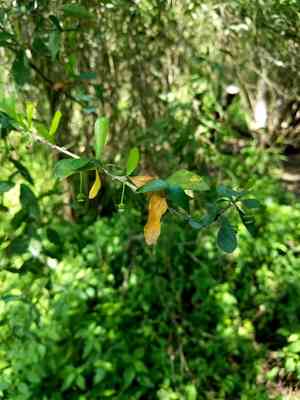
For vasey's wild lime, relocate them to new environments when the atmosphere is temperate and the ground is becoming active: from the vibrant period of mid-spring to the fading moments of late spring, or as fall revitalizes from its central point to the tranquil conclusion of the season. Select a location that receives ample sunlight and possesses good drainage. If necessary, carefully direct the roots, confirming their establishment in the soil.
Necessary Preparations Before Moving Vasey's Wild Lime?
Optimal Period for Relocating Vasey's Wild Lime?
The best time for moving vasey's wild lime falls within the gentle periods of mid-to-late spring or mid-to-late autumn. These transitional seasons offer mild temperatures and suitable soil conditions, perfect for root establishment without the strain of extreme heat or cold. Successful relocation during these times promises robust growth and a strong plant ready to flourish in its new spot.
Required Spacing Between Vasey's Wild Lime Plants?
When relocating your vasey's wild lime, aim to provide each plant with ample room to expand. A good guideline is to maintain a separation of approximately 4-6 feet (1.2-1.8 meters) between each one. This ensures your vasey's wild lime can thrive without feeling cramped!
Ideal Soil Blend for Vasey's Wild Lime Relocation?
For your vasey's wild lime, you'll want to prepare a soil that drains well and is rich in nutrients. Imagine creating a comfortable bed: a loamy soil enriched with compost will suffice. Before planting, incorporate a balanced, slow-release fertilizer to give your vasey's wild lime a great start!
Optimal Location for Your Vasey's Wild Lime?
Your vasey's wild lime will flourish in a spot with just the right amount of sun! Aim for an area that receives ample sunlight, ideally full sun to partial shade. This means a location that gets direct sunlight for at least 4-6 hours (a sun-loving plant indeed!).
Equipment Needed Before Relocating Vasey's Wild Lime?
Gardening Gloves
To safeguard your hands while handling soil and the plant.
Spade or Shovel
For excavating the vasey's wild lime from its original spot and preparing the new hole.
Garden Fork
To loosen the soil surrounding the plant's root ball during extraction.
Pruning Shears
To trim any damaged roots or foliage prior to relocation.
Wheelbarrow or Garden Cart
To transport the vasey's wild lime from one site to another.
Watering Can or Hose
For hydrating the vasey's wild lime before, during, and after the relocation process.
How to Extract Vasey's Wild Lime from the Ground?
How to Extract Vasey's Wild Lime from the Ground?
From Ground: First, moisten the vasey's wild lime to dampen the soil. This facilitates easier plant removal without stressing the roots. Dig a wide circle around the plant with a spade or shovel, ensuring you are far enough out to avoid cutting into the root ball. Carefully slide the shovel beneath the root ball and gently lift the vasey's wild lime from the ground.From Pot: Water the vasey's wild lime thoroughly. Turn the pot sideways and gently tap the sides and bottom to loosen the soil. Invert the pot and support the vasey's wild lime as it slides out, handling it by the root ball rather than the stem or leaves.From Seedling Tray: Water the seedlings to ensure the soil is damp. Use a garden fork or similar tool to carefully ease each vasey's wild lime seedling out of the tray by gently prying up from the base of the root ball, minimizing root disturbance.
Detailed Steps for Relocating Vasey's Wild Lime
Plant Preparation
Hydrate the vasey's wild lime before beginning the relocation to ensure it is well-watered. Trim any broken or excessively long roots and remove any dead or damaged foliage using pruning shears.
Hole Excavation
Dig a hole in the new spot that is twice the width of the vasey's wild lime's root ball, but no deeper. Break up any soil clumps and remove stones that could hinder root growth.
Placement
Position the vasey's wild lime in the center of the hole, ensuring it sits at the same depth it was previously growing. Confirm the plant is upright and straight before you begin backfilling.
Backfilling
Gently refill the hole with soil, lightly tamping around the root ball to eliminate air pockets. Be careful not to compact the soil too tightly, as this can impede root growth and water penetration.
Watering
After relocating, thoroughly water the vasey's wild lime to settle the soil around the roots and provide essential hydration for recovery and growth.
Post-Relocation Care for Vasey's Wild Lime?
Initial Hydration
Water the vasey's wild lime immediately after relocation to help settle the soil and remove air pockets around the roots. Ensure the root zone is completely moistened.
Consistent Observation
Inspect the plant daily for the first few weeks, paying close attention to the soil's moisture level. Water as needed to maintain consistent dampness without over-saturating.
Mulching
Apply a layer of organic mulch around the base of the vasey's wild lime to help retain soil moisture and regulate soil temperature.
Support Structures
If the vasey's wild lime is tall or top-heavy, consider staking or using plant supports to prevent leaning or wind damage until it establishes a strong root system.
Careful Handling
Avoid disturbing the vasey's wild lime's root zone. Keep foot traffic and other activities away from the plant's base to minimize stress and compaction.
Addressing Common Issues During Vasey's Wild Lime Relocation.
When is the optimal time to move vasey's wild lime?
The best periods are mid-spring to late spring or mid-autumn to late autumn, leveraging moderate temperatures and rainfall.
What spacing should I use for vasey's wild lime when relocating?
Ensure a gap of 4-6 feet (1.2-1.8 meters) between each vasey's wild lime to allow ample room for development.
What is the recommended soil type for moving vasey's wild lime?
Select well-draining soil rich in organic matter to promote healthy root growth for vasey's wild lime.
How deep should I dig the hole for vasey's wild lime relocation?
Excavate a hole twice as wide and the same depth as the root ball to encourage proper root expansion.
Should I trim vasey's wild lime before relocating?
Lightly prune any damaged or excessively long roots but avoid extensive pruning to prevent stress.
Can I use fertilizer when relocating vasey's wild lime?
It's better to prioritize proper planting and watering over fertilizer, which can be applied once established.
How much should I water vasey's wild lime after relocating?
Water thoroughly after relocation and maintain consistent moisture without waterlogging during initial establishment.
How can I tell if vasey's wild lime is struggling after relocation?
Signs include wilting, leaf discoloration, or lack of new growth. Ensure proper care and adjustments.
Does vasey's wild lime require mulch after relocating?
Applying mulch can help maintain soil moisture and temperature, benefiting vasey's wild lime's root environment.
What if vasey's wild lime's leaves turn yellow after relocating?
Yellowing may indicate stress. Check moisture levels, soil pH, and avoid over-fertilizing to resolve the issue.



