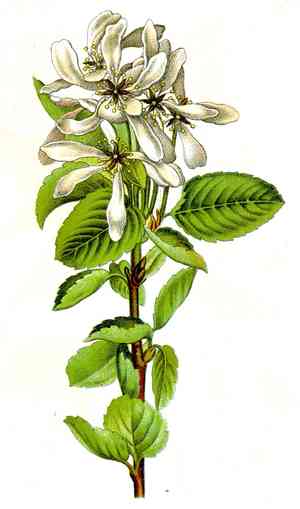
Cranberry cotoneaster (Cotoneaster apiculatus)
Also known as: Apiculate cotoneaster
This dense, hardy shrub grows in a spreading manner. Cranberry cotoneaster's bright red berries persist through the winter months, brightening cold and gray landscapes. In the spring, look for its small, pale pink flowers. It does well with salt spray, making it a common choice in coastal gardens.
In This Article
Attributes of Cranberry cotoneaster
Lifespan
Perennial
Plant Type
Shrub
Plant Height
61 cm to 91 cm
Spread
90 cm to 1.8 m
Leaf Color
Dark green
Flower Size
2.5 cm
Flower Color
Pink
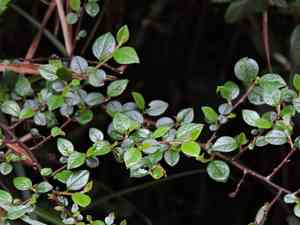
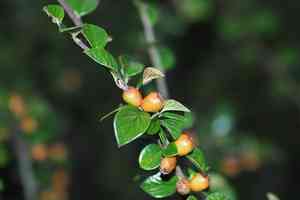
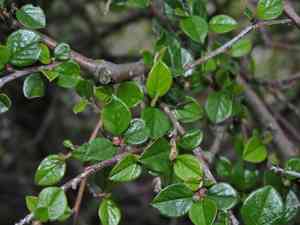
Images of Cranberry cotoneaster
Quickly Identify Cranberry cotoneaster
1
Robust mounding growth reaching 3 feet (90 cm) in height with glossy, deciduous foliage.
2
Abundant bright red berries resembling tiny cranberries persist into early winter, contrasting foliage.
3
Small, tightly clustered pinkish-white flowers measuring 0.4 inches (1 cm) across in late spring.
4
Berries are glossy, bright red, 0.3 inches (8 mm) in diameter, persisting into winter, favored by birds.
5
Stem displays stiffly arching branches with reddish/purple young stems transitioning to olive-brown.
Scientific Classification of Cranberry cotoneaster
Phylum
Vascular plants
Class
Dicotyledons
Order
Rosales
Family
Rose
Genus
Cotoneaster
Species
Cranberry cotoneaster
Planting and Growing of Cranberry cotoneaster
Care Difficulty
Easy
Watering Schedule
Every 3 days
Sunlight Requirements
Partial sun
Sunshine Duration
4-8 hours
Ideal Temperature
60-75℉
Soil Type
Potting Mix, Peat Mix
Soil pH
6.5-7.5
Fertilizer Type
Balanced
Pruning Season
Spring, Summer
Pruning Area
Branches, Leaves
Pruning Frequency
2 times a year
Repotting Season
Spring
Pot Type
Plastic, Ceramic
 How to Water Cranberry cotoneaster?
Cotoneaster apiculatus prefers the soil to be kept moderately moist. The roots should absorb water thoroughly, meaning the soil should be wet up to about 6 inches deep. Avoid waterlogged conditions as it may lead to root rot.
What are the symptoms of an underwatered Cranberry cotoneaster?
›
What should I do if my Cranberry cotoneaster is not getting enough water?
›
What are the symptoms of an overwatered Cranberry cotoneaster?
›
How to save an overwatered Cranberry cotoneaster?
›
 What Are the Sunlight Requirements for Cranberry cotoneaster?
Cotoneaster apiculatus thrives best in partial sun to full sun. Ensuring this light range enhances fruit production, keeps the foliage vibrant, and aids in disease prevention by promoting air circulation.
How much sun is just right?
›
How to achieve optimal light conditions?
›
What are the benefits of optimal lighting?
›
 What Is the Ideal Temperature Range for Cranberry cotoneaster?
Cotoneaster apiculatus thrives best within the temperature range of 60-75°F. This range allows the plant to maintain optimal physiological processes, resulting in healthy growth and development. Temperatures within this window aid in enzymatic activities and photosynthesis, which are crucial for sustaining the plant's metabolism.
 What Soil is Best for Cranberry cotoneaster?
Cotoneaster apiculatus thrives best in well-drained soils that prevent waterlogging. Well-drained soils help ensure that the roots have access to both air and moisture, which is essential for healthy growth and avoiding root rot. This plant doesn't require highly fertile soil, which makes it versatile for various garden settings. Moderately fertile soils provide enough nutrients for growth without causing excessive foliage that might be susceptible to pests. While the plant prefers well-draining soils, it also benefits from some moisture retention to avoid drying out. A soil mix that retains moisture helps maintain even soil conditions during dry spells without suffocating the roots.
 How to Fertilize Cranberry cotoneaster?
For Cotoneaster apiculatus, use a balanced fertilizer with equal proportions of nitrogen, phosphorus, and potassium, such as a 10-10-10 formula. For liquid fertilizers, dilute according to the package instructions, generally around one tablespoon per gallon of water. For slow-release granules, follow the product's guidelines, typically using around one to two pounds per 100 square feet.
 How to Prune Cranberry cotoneaster?
Start by removing any dead or diseased branches. Look for wood that is brittle, discolored, or shows signs of disease. Cut these parts out to prevent the spread of disease and to improve the plant's overall vigour. Trim the outer branches back to achieve the desired shape, typically a rounded, compact form. Make cuts above a leaf node facing the direction you want the new growth to follow. This helps the plant maintain an aesthetically pleasing appearance. Remove any branches that are crossing or rubbing against each other as they can cause wounds and increase the risk of disease. Creating an open structure allows light to penetrate, which is vital for the plant’s health.
More About Pruning Techniques→
 How to Propagate Cranberry cotoneaster plant?
1
To propagate Cotoneaster apiculatus from seeds, collect ripe berries from the plant in autumn. Extract seeds carefully by mashing the berries and separating seeds from the pulp.
2
In spring, select healthy, non-flowering stems for cuttings. Cut a 6-inch section of the stem just below a node, and remove lower leaves to prevent rot.
3
For layering propagation, gently bend a low-growing branch to the ground. Make a small cut on the branch, apply rooting hormone, and bury it under soil while still attached to the parent plant.
 How to Repot Cranberry cotoneaster plant?
1
Cotoneaster apiculatus gives subtle signs when it's time for a fresh pot. Look for roots peeping out from the drainage holes or circling tightly at the base. Another signal is soil that seems to dry out too quickly, suggesting it can no longer support healthy growth. These indicators mean it's time to repot, usually every two to three years, ensuring the plant remains vibrant and healthy.
2
Select a pot that's about 2 inches larger in diameter than the current one to give Cotoneaster apiculatus room to grow. Opt for containers with excellent drainage facilities to avoid waterlogging, which can lead to root rot. A well-chosen pot supports proper root expansion and helps maintain the plant's structural integrity.
3
Choose a well-draining loamy soil to replensih Cotoneaster apiculatus. This type of soil retains adequate moisture while allowing for proper aeration, crucial for root health. The right soil mix enriches the plant with essential nutrients, promoting vigorous growth and resilience against pests.
Toxicity
Ingestion
WARNING
The judgment on toxicity and danger is for reference only. We DO NOT GUARANTEE any accuracy of such judgment. Therefore, you SHALL NOT rely on such judgment. It is IMPORTANT TO SEEK PROFESSIONAL ADVICE in advance when necessary.



