How to Transplant Cranberry cotoneaster?
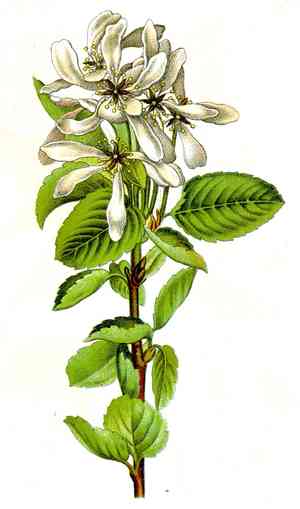
Cranberry cotoneaster flourishes optimally when relocated during the
What Preparations are Needed Before Relocating Cranberry Cotoneaster?
What is the Ideal Time for Relocating Cranberry Cotoneaster?
The optimal period for moving cranberry cotoneaster is from early to mid-spring. This timing allows the plant to develop its root system prior to the summer heat. Such timing ensures superior nutrient uptake and reduced plant stress, fostering more robust growth. Relocating during this window enhances adaptability and provides ample time for root establishment before winter.
How Much Space Should You Leave Between Cranberry Cotoneaster Plants?
For cranberry cotoneaster, ensure each plant is spaced 3-4 feet (0.9-1.2 meters) apart. This provides sufficient room for them to expand and flourish without overcrowding.
What is the Best Soil Mix for Cranberry Cotoneaster Relocation?
Prepare well-draining soil enriched with a foundational fertilizer such as compost. Cranberry cotoneaster prefers slightly acidic to neutral soil, aiming for a pH of 6.0-7.0.
Where Should You Relocate Your Cranberry Cotoneaster?
Select a sunny location for cranberry cotoneaster. This plant thrives in full sunlight, meaning at least 6 hours of direct sun exposure daily.
What Equipments Should You Prepare Before Relocating Cranberry Cotoneaster?
Gardening Gloves
To safeguard your hands while handling soil and the plant.
Shovel or Spade
For excavating around and lifting the plant from the ground.
Hand Trowel
Useful for working in confined areas or with smaller plants.
Garden Fork
To gently loosen the earth surrounding the plant.
Transplanting Planter (if moving from a pot or seedling tray)
To assist in releasing the plant from its container.
Watering Can or Hose
To hydrate the plant and moisten the soil.
Mulch
To aid in retaining soil moisture after relocation.
Pruning Shears
To trim any damaged roots or branches.
How Do You Remove Cranberry Cotoneaster from the Soil?
How Do You Remove Cranberry Cotoneaster from the Soil?
From Ground: First, thoroughly saturate the soil around cranberry cotoneaster to ensure it's moist. Use a shovel or spade to dig a wide trench around the plant, maintaining a generous distance from the main stem to preserve the root ball. Carefully work the spade beneath the root ball to lift the plant from the ground, taking care to keep the roots intact.From Pot: Gently tap around the pot's edges to loosen the soil. Turn the pot on its side and slowly slide the plant out, holding it by the stem's base. If the plant resists, use a transplanting planter to ease it out, protecting the roots.From Seedling Tray: Water the soil in the seedling tray to facilitate seedling removal. Use a hand trowel to gently lift the seedling from the tray, ensuring you get beneath the root system to prevent damage. Hold the seedling by its base, not the delicate stem.
Step-by-Step Guide for Relocating Cranberry Cotoneaster
Site Selection
Choose a spot with adequate sunlight and room for your cranberry cotoneaster plant to reach its mature size.
Digging the Hole
Excavate a hole in the ground that is twice as wide and the same depth as the root ball of the cranberry cotoneaster. This allows the roots to spread comfortably.
Soil Preparation
Loosen the soil at the bottom of the hole and, if needed, mix in compost or other organic matter to enrich the soil.
Placing the Plant
Position the cranberry cotoneaster in the center of the hole, ensuring the top of the root ball is level with the surrounding ground. The plant should sit at the same depth it was growing previously.
Filling and Firming
Backfill the hole with soil, gently firming it around the root ball as you proceed, to eliminate air pockets. Continue until the hole is filled and the plant is stable.
Watering
Water the newly relocated cranberry cotoneaster thoroughly to help settle the soil and establish good root-to-soil contact.
Applying Mulch
Spread a layer of mulch around the base of cranberry cotoneaster to help retain moisture and regulate soil temperature. Keep mulch a few inches away from the stem to prevent rot.
How Do You Care For Cranberry Cotoneaster After Relocation?
Watering
Keep the soil around the cranberry cotoneaster consistently moist, but not waterlogged, for the initial weeks after relocation to help establish strong roots.
Monitoring
Regularly inspect the plant for any indications of transplant shock, such as wilting or yellowing leaves, adjusting care as necessary.
Weeding
Keep the area around cranberry cotoneaster free of competing weeds that can vie for nutrients and moisture.
Fertilizing
After a few weeks, you may begin applying a balanced, slow-release fertilizer to support new growth.
Troubleshooting Common Issues with Cranberry Cotoneaster Relocation.
When is the best time to relocate cranberry cotoneaster?
Early to mid-spring is ideal for relocating cranberry cotoneaster to ensure healthy growth and establishment.
How far apart should cranberry cotoneaster be spaced?
Space cranberry cotoneaster plants 3-4 feet (0.9-1.2 meters) apart to allow for healthy growth and air circulation.
How deep should I dig the hole for cranberry cotoneaster?
Dig a hole slightly deeper than the root ball and twice as wide to give roots room.
What kind of soil does cranberry cotoneaster prefer?
Cranberry cotoneaster thrives in well-draining, loamy soil with a pH level between 6.5 and 7.5.
How do I prepare cranberry cotoneaster for relocation?
Water the plant thoroughly a day before relocating to reduce stress and aid in removal.
How do I care for cranberry cotoneaster immediately after relocating?
Water cranberry cotoneaster well immediately after relocating and keep the soil consistently moist but not waterlogged.
Should I prune cranberry cotoneaster before relocating?
Yes, lightly prune cranberry cotoneaster to remove any damaged or dead branches before relocating.
How do I know if cranberry cotoneaster is stressed after relocating?
Look for signs like wilting, yellowing leaves, or slow growth, which may indicate transplant shock.
What can I do to minimize transplant shock for cranberry cotoneaster?
Ensure cranberry cotoneaster is adequately watered and avoid fertilizing until it's well-established in the new location.
How much sunlight does cranberry cotoneaster need after relocating?
Cranberry cotoneaster prefers full sun to partial shade, ensuring at least 4-6 hours of sunlight daily.



