How to Propagate Cranberry cotoneaster?
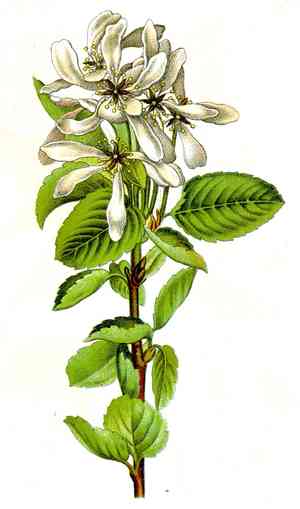
Cotoneaster apiculatus can be successfully multiplied using sections of its stems. To achieve proper root development, gather semi-hardened stem segments in the latter part of summer and apply a root-stimulating compound. Insert these segments into a substrate that drains efficiently, making sure they are kept in a moist atmosphere with diffused illumination until their root systems are formed. Maintaining steady hydration and shielding them from direct solar exposure are crucial for improving the likelihood of successful rooting.
Optimal Period for Cranberry Cotoneaster Propagation
Propagation Method
Cutting
Propagation Season
Autumn,Winter
Tools Required for Cranberry Cotoneaster Propagation
Sharp pruning shears
Crucial for obtaining clean, precise cuttings from cranberry cotoneaster, sharp shears minimize harm to both the parent plant and the cutting. A clean cut helps prevent disease and promotes better rooting.
Rooting hormone powder
This aids in stimulating root development from cranberry cotoneaster cuttings, increasing the likelihood of successful propagation. Applying hormone to the cut end before planting can greatly improve rooting efficiency and speed.
Sterile potting mix
Utilizing a well-draining, sterile potting mix prevents disease and supports robust root growth for cranberry cotoneaster cuttings. A mix designed for seed starting or propagation offers the right balance of moisture and aeration.
Propagation tray with dome
Maintains controlled humidity and temperature around cranberry cotoneaster cuttings, creating an ideal environment for root formation. The dome helps sustain consistent moisture levels, vital for cuttings before they establish their own root systems.
Heat mat
Placing cranberry cotoneaster cuttings on a heat mat can boost root growth by maintaining a consistent and appropriate soil temperature. Warmth from below encourages faster root formation, especially in cooler climates or seasons.
How to Propagate Cranberry Cotoneaster?
Propagation Type
Moderately Difficult
Caring for Your Newly Propagated Cranberry Cotoneaster
Caring for Your Newly Propagated Cranberry Cotoneaster
Cranberry cotoneaster needs consistent care to flourish post-propagation. Site plants in an area with full sun to partial shade and well-draining soil. Water regularly, especially during dry spells, but avoid waterlogging the soil. Seasonal pruning helps maintain shape and encourages healthy growth. Apply a balanced fertilizer in spring to support blooming and fruiting.
Common Errors to Avoid When Propagating Cranberry Cotoneaster
Poor cutting selection
Choosing unsuitable branches for cuttings often results in inadequate rooting and growth. Gardeners must select healthy, disease-free branches that have exhibited vigorous growth.
Overwatering
While maintaining moisture is essential, excessive water can cause the roots of cranberry cotoneaster cuttings to rot. This can severely impede or halt the rooting process, undermining propagation efforts.
Neglecting to use a rooting hormone
Failing to use a rooting hormone can lead to significantly lower rooting success rates for cranberry cotoneaster. Rooting hormones promote healthier and quicker root development.
Lack of aeration in soil
Using a soil mix that doesn't drain well or isn't properly aerated can lead to waterlogging, which harms the root development of cranberry cotoneaster, resulting in weakened plants.
Tips For Propagating Cranberry Cotoneaster
Select healthy cuttings
Ensure that cuttings are taken from healthy, vigorous, and disease-free branches of cranberry cotoneaster to promote better rooting and growth.
Use rooting hormone
Applying a rooting hormone to the cuttings can significantly enhance the rooting success of cranberry cotoneaster, promoting more vigorous and healthy root development.
Proper soil preparation
Prepare a well-draining, lightly aerated soil mix for planting cranberry cotoneaster cuttings. This supports moisture retention without causing waterlogging, encouraging healthy root growth.
Appropriate watering
Keep the soil moist but not soaked. Overwatering can lead to root rot, so it's crucial to provide a balance to support the rooting process of cranberry cotoneaster.



