How to Prune Cranberry cotoneaster?
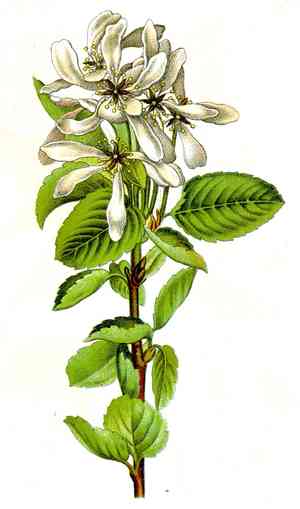
Cranberry cotoneaster, a low-lying, sprawling shrub recognized for its vivid crimson berries and lustrous, circular foliage, thrives with consistent trimming to preserve its compact, rounded form. The most suitable times for pruning are late winter or early spring, prior to the emergence of new shoots. At this juncture, thin out older branches and eliminate any lifeless or ailing wood to improve air movement and light exposure, fostering more robust leaves and a greater yield of fruit. Pruning not only sculpts the plant but also stimulates energetic development and berry output.
What Are the Benefits of Pruning Cranberry Cotoneaster?
What Are the Benefits of Pruning Cranberry Cotoneaster?
Trimming cranberry cotoneaster encourages robust development and maintains its compact, rounded form. Regular cutting promotes a lush appearance and prevents excessive growth, ensuring cranberry cotoneaster remains an attractive garden feature.
What Is the Best Time for Pruning Cranberry Cotoneaster?
What Is the Best Time for Pruning Cranberry Cotoneaster?
Pruning cranberry cotoneaster in late winter to early spring is optimal as it occurs before new growth begins. This timing allows gardeners to shape the plant and manage its size effectively without disrupting its natural growth cycle. Additionally, pruning before the spring growth spurt helps ensure that resources are directed towards new, healthy growth, enhancing the plant's overall health and aesthetic appeal. Removing dead or damaged branches at this time also minimizes the risk of disease. Since cranberry cotoneaster flowers on old wood and sets fruit in the fall, late winter or early spring pruning ensures that its flowering and fruiting capabilities are not adversely affected.
What Tools Do I Need to Prune Cranberry Cotoneaster?
Hand Pruners
Perfect for precise cuts on cranberry cotoneaster, enabling shaping and removal of small, unwanted branches. Hand pruners are effective for the thin, flexible stems characteristic of cranberry cotoneaster.
Loppers
Best for reaching into denser areas of cranberry cotoneaster to cut thicker branches. The long handles provide leverage for clean cuts without damaging the plant.
Pruning Saw
Essential for removing mature, woodier stems too thick for hand pruners or loppers. A pruning saw helps manage older growth of cranberry cotoneaster without harming surrounding branches.
Hedge Shears
Useful for trimming and shaping the outer edges of cranberry cotoneaster, especially for creating a neat, formal look. Hedge shears allow for quick, even cuts across multiple small branches.
How to Prune Cranberry Cotoneaster
Identify parts
Examine cranberry cotoneaster thoroughly to locate diseased leaves, withered leaves, dead branches, and diseased branches. Look for leaves with unusual coloration or markings and branches that appear dried out or darkened.
Disinfect tools
Before pruning, sanitize your pruning shears or clippers. Wipe them with alcohol or a bleach solution to prevent disease spread from other plants to cranberry cotoneaster.
Remove leaves
Carefully trim off diseased and withered leaves. Make clean cuts at the base of each leaf where it meets the stem or branch, avoiding damage to healthy parts of cranberry cotoneaster.
Cut branches
Remove dead and diseased branches from cranberry cotoneaster. Make cuts at the point where the branch meets healthy tissue, ensuring no stubs are left as these can attract pests or decay.
Clean up
After pruning, clear away all removed leaves and branches from around cranberry cotoneaster. Dispose of waste properly to prevent disease spread in your garden. Ensure tools are cleaned and stored correctly.
Common Pruning Mistakes with Cranberry Cotoneaster
Overpruning
Removing too much foliage at once can weaken cranberry cotoneaster. This can lead to stunted growth and reduced vitality, making the plant vulnerable to diseases and pests.
Uneven cuts
Improper cutting techniques, such as jagged or torn branches, can create open wounds on cranberry cotoneaster susceptible to infections and decay.
Neglecting dead or diseased branches
Failing to remove dead, damaged, or diseased branches can hinder the natural growth and flowering of cranberry cotoneaster, as these branches drain vital resources from healthier parts.
Ignoring plant shape
Not considering the natural shape and growth habit of cranberry cotoneaster during pruning can result in a visually unappealing plant that does not flower optimally.
Common Pruning Tips for Cranberry Cotoneaster
Sharp tools
Use sharp, clean pruning shears or scissors for clean cuts. This helps prevent damage to cranberry cotoneaster tissues and promotes quicker healing of cuts.
Selective pruning
Focus on thinning out crowded branches to improve light penetration and air circulation throughout cranberry cotoneaster. This encourages stronger, healthier growth and enhances flowering.
Health maintenance
Regularly check for and promptly remove any dead, diseased, or damaged branches to maintain the health and aesthetic of cranberry cotoneaster. This also helps prevent disease spread.
Consider growth habit
Respect the natural arched form of cranberry cotoneaster when pruning. Aim to maintain its characteristic shape while controlling size and removing unwanted branches.



